

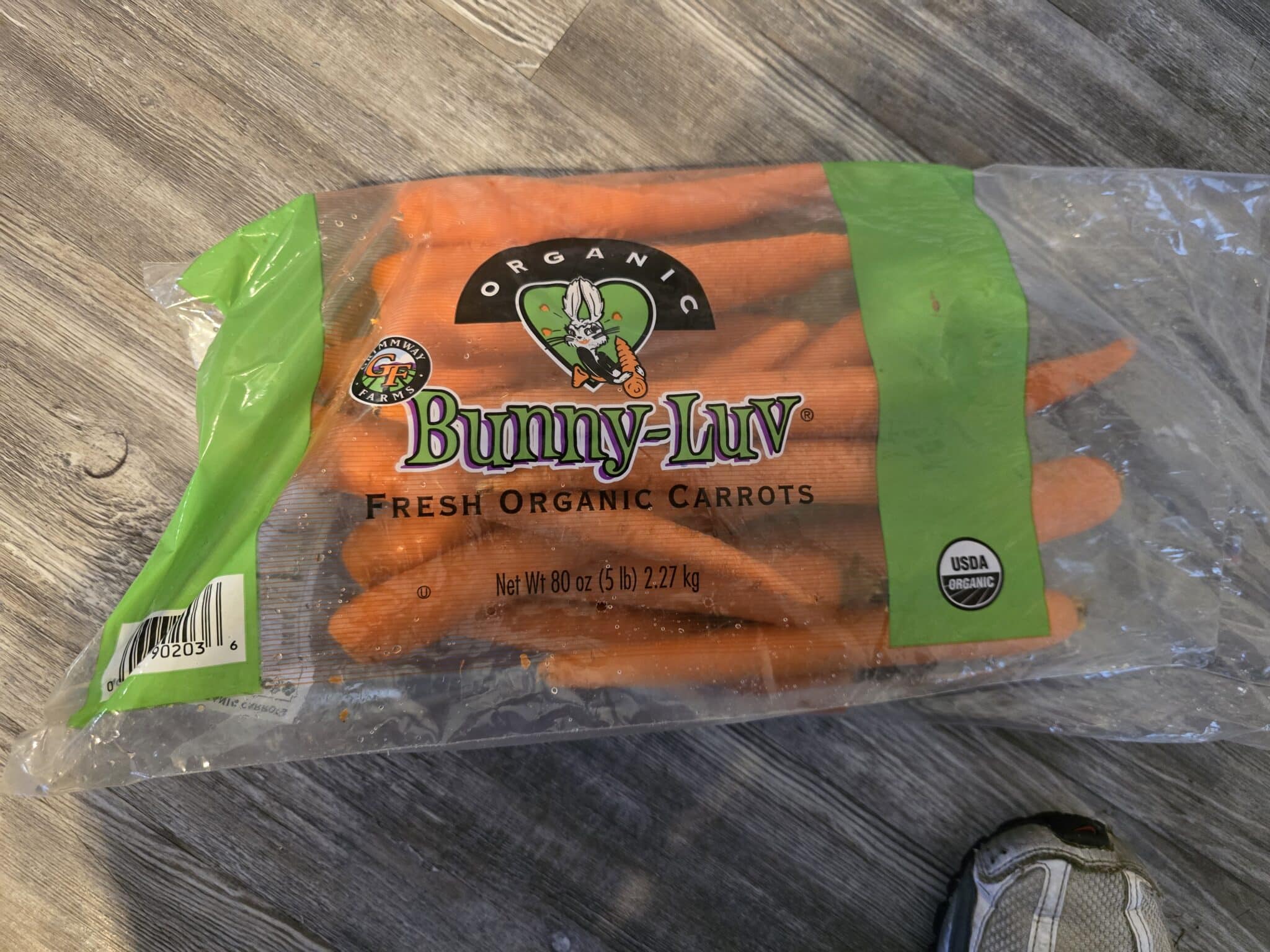

The U.S. Centers for Disease Control and Prevention (CDC) has announced the conclusion of a significant E. coli outbreak linked to contaminated carrots. The impacted carrots are past their shelf life and no longer available for retail or commercial sale.
Background – December 18, 2024 update
A nationwide investigation by federal and state health authorities to examine an outbreak of E. coli O121:H9 infections connected to organic carrots from Grimmway Farms has ended. The U.S. Food and Drug Administration (FDA) and Centers for Disease Control and Prevention (CDC) led the investigation and worked closely with state and local health partners to track the spread of infections.
Health officials conducted interviews with those affected by the outbreak, focusing on their food consumption in the days leading up to their illness. Out of 37 people interviewed, 33, or 89%, confirmed eating carrots during the period in question.
Through traceback investigation, FDA officials have determined that Grimmway Farms is the same source of both the organic whole carrots and baby carrots linked to these infections.
- There have been 48 reported cases of illness across 19 states
- Of 47 people with information available, 20 of those individuals have been hospitalized
- One person developed Hemolytic Uremic Syndrome (HUS), a potentially deadly condition that can lead to kidney and organ failure
- One death was reported in California
Location of Affected Individuals – December 18, 2024 update
- Wyoming, Colorado, Texas, Arkansas, Missouri, Michigan, Ohio, Pennsylvania, Virginia, North Carolina, South Carolina, New Jersey, Massachusetts – 1 to 2 sick people
- Oregon, Utah – 3 to 4 sick people
- California, Washington, Minnesota, New York – 5 to 8 sick people
Timeline – December 18, 2024 update
The first reported case of illness linked to this outbreak was on September 9, 2024 and the latest reported onset of illness was on November 10, 2024.
Demographics – December 18, 2024 update
The CDC said that officials collect a variety of demographic data from affected individuals during an outbreak of foodborne illness to help determine the source of the infection.
| Demographics | Information |
| Age (information from 48 people) | Range from 1 to 75 years old Median age of 26 years old |
| Sex (information from 48 people) | 69% female 31% male |
| Race (information from 40 people) | 90% White 8% African American/Black 2% Asian 0% Native American or Alaska Native 0% reported more than one race |
| Ethnicity (information from 43 people) | 95% non-Hispanic 5% Hispanic |
Laboratory and Traceback Findings – December 18, 2024 update
Public health investigators used the PulseNet system, “a national laboratory network that connects foodborne, waterborne, and One Health (a collaborative approach to optimal health outcomes that recognizes the interconnection between people, animals, plants, and the shared environment) – related illnesses” to identify potential outbreak-related illnesses.
PulseNet maintains a national database of bacterial DNA fingerprints for foodborne illnesses. Whole genome sequencing (WGS) was performed on bacterial samples from ill individuals.
The WGS analysis revealed that bacteria from patient samples are genetically closely related. This genetic similarity suggests a common source of infection. Investigators examined samples from 45 individuals to assess potential antibiotic resistance.
The antimicrobial resistance analysis conducted through the National Antimicrobial Resistance Monitoring System (NARMS) found no predicted resistance to antibiotics in the bacterial samples.
FDA’s traceback investigation identified Grimmway Farms as the common supplier of both organic whole and baby carrots connected to the outbreak. During facility inspections, FDA collected environmental samples, with two outdoor samples testing positive for Shiga toxin-producing E. coli (STEC). While these strains were determined to be capable of causing human illness, they did not match the specific outbreak strain.
The outbreak strain of E. coli was not detected in environmental samples collected during the investigation. However, the FDA’s epidemiologic and traceback evidence indicated that the recalled carrots were the likely source of the reported illnesses.
Consumer Action – December 18, 2024 update
On November 16, 2024, Grimmway Farms voluntarily recalled potentially contaminated carrots The recall was expanded on November 21 to include additional bag sizes of organic whole carrots. Several companies that had used or repackaged Grimmway Farms carrots subsequently issued their own recalls.
The FDA has declared the outbreak over. The recalled products are no longer available in stores and have passed their shelf life. Consumers should check their freezers for any remaining recalled items. Any affected products should be discarded or returned to their place of purchase.
Commenting on this article, the nation’s leading E. coli lawyer said, “Hemolytic Uremic Syndrome, or HUS, is relatively rare but it can be extremely dangerous. Children under five, seniors, and people with compromised immune systems are especially vulnerable but HUS can be deadly for anyone at any age.”
