
Close Menu
  • Food Poisoning
    • Symptoms
    • Prevention
    • Treatment
    • Causes
  • Pathogens
    • Botulism
    • Campylobacter
    • E. coli
    • Cyclospora
    • Norovirus
    • Hepatitis A
    • Salmonella
    • Listeria
    • Shigella
  • Food Safety
    • How to wash your hands
    • Food Safty And The Holidays
  • Legal
    • Can I sue for Food Poisoning?
    • E. coli Lawyer
      • E. coli Lawsuit
    • Salmonella Lawyer
      • Salmonella Lawsuit
    • Botulism Lawyer
    • Cyclospora Lawyer
    • Shigella Lawyer
    • Hepatitis A Lawyer
  • Outbreaks and Recalls
  • Connect With A Lawyer
What's Hot

The Hidden Dangers of Barbecue Season (Which is Approaching Faster Than You Think) and Undercooked Meat

January 8, 2026

Norovirus: What You Need to Know About the Highly Contagious “Stomach Bug”

January 8, 2026

Tamales Recalled Due to Potential Listeria Contamination

January 8, 2026
Facebook X (Twitter) Instagram
Facebook X (Twitter) YouTube
  • About
  • Contact Us
Food Poisoning NewsFood Poisoning News
  • Home
  • Food Poisoning
    • What is Food Poisoning?
      • Symptoms
      • Causes
      • Prevention
      • Treatment
      • Statistics
    • Pathogens
      • Botulism
      • Campylobacter
      • E. coli
      • Hepatitis A
      • Shigella
      • Norovirus
      • Salmonella
      • Cyclospora
      • Listeria
  • Food Safety
    • How to wash your hands
    • Food Safty And The Holidays
  • Legal
    • Salmonella Lawyer
      • Salmonella Lawsuit
    • E. coli Lawyer
      • E. coli Lawsuit
    • Cyclospora Lawyer
    • Shigella Lawyer
    • Hepatitis A Lawyer
    • Botulism Lawyer
  • Outbreaks and Recalls
Food Poisoning NewsFood Poisoning News
Home»Uncategorized»How to Safely Pack a Lunchbox and Avoid the “Danger Zone”
How to Safely Pack a Lunchbox and Avoid the “Danger Zone”
Uncategorized

How to Safely Pack a Lunchbox and Avoid the “Danger Zone”

Kit RedwineBy Kit RedwineApril 23, 2025No Comments3 Mins Read
Share
Facebook Twitter LinkedIn Pinterest Email Reddit

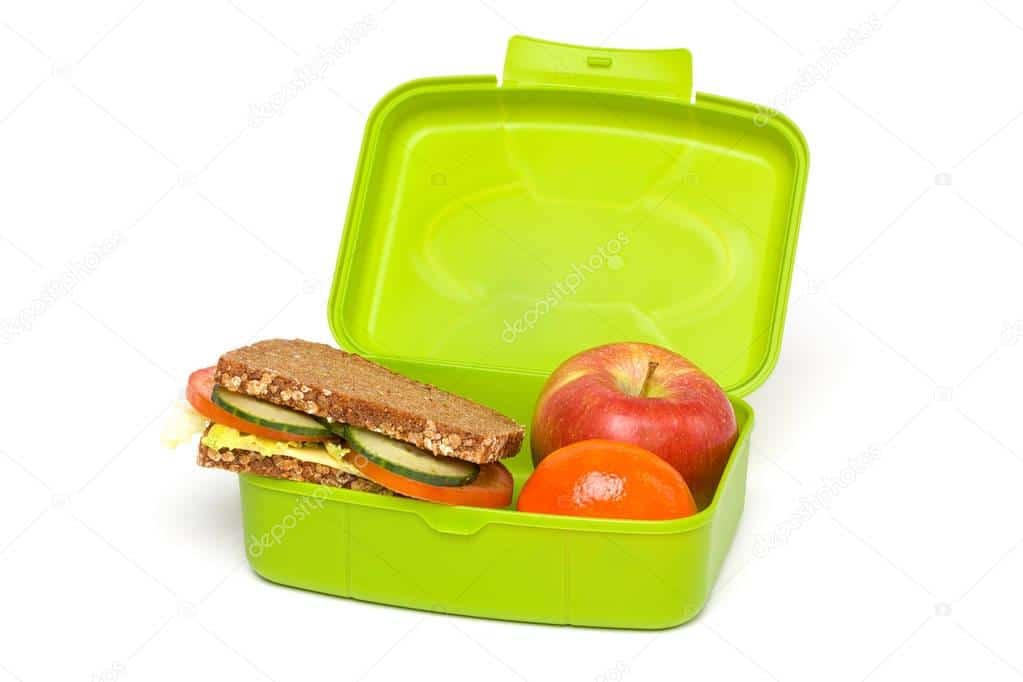
Packing a lunchbox seems straightforward, but improper handling can turn it into a breeding ground for harmful bacteria. The key to safety lies in avoiding the “Danger Zone”, the temperature range between 40°F and 140°F where pathogens like Salmonella and E. coli multiply rapidly. Here’s how to keep meals safe, fresh, and free from foodborne illness risks.  

Start with Temperature Control  

Perishable foods, including deli meats, dairy products, cooked grains, and leftovers, must stay out of the Danger Zone. To achieve this:  

  • Keep cold foods cold: Use insulated lunchboxes paired with reusable ice packs or frozen water bottles. Place ice packs on top and bottom of food containers for even cooling.  
  • Keep hot foods hot: Use a thermos preheated with boiling water for soups, stews, or pasta. Fill the thermos, seal it, and let it sit for 5 minutes before emptying and adding piping-hot food (at least 165°F).  

Smart Food Prep 

  • Cool leftovers quickly: Divide large portions into shallow containers and refrigerate within two hours of cooking. Never pack lukewarm leftovers directly into a lunchbox.  
  • Freeze items overnight: Sandwiches with moist fillings (e.g., tuna, chicken salad) can be partially frozen to stay chilled longer. 
  • Avoid cross-contamination: Use separate containers for raw and ready-to-eat foods. Wash produce thoroughly, and never reuse packaging from raw meats.  

Choose Low-Risk Foods  

When refrigeration isn’t reliable, opt for shelf-stable options: 

  • Whole, uncut fruits (e.g., apples, oranges) or nuts.  
  • Single-serve nut butter packets (instead of dairy-based dips).  
  • Vacuum-sealed cheese or cured meats (check for “shelf-stable” labels).  
  • Crackers, whole-grain breads, or dried fruits.  

Timing Matters 

Even with precautions, perishables shouldn’t linger in the Danger Zone for more than two hours (one hour if temperatures exceed 90°F). If lunches are packed in the morning and eaten midday, ice packs typically suffice. For longer gaps, freeze a portion of the meal or include non-perishable items.  

Container Hygiene  

Bacteria thrive in dirty containers. Wash lunchboxes and reusable bags with hot, soapy water daily. Avoid using plastic containers with deep scratches, as they can harbor germs. Opt for stainless steel or BPA-free plastic for easier cleaning.  

Common Mistakes to Avoid  

  • Overpacking: A tightly stuffed lunchbox traps heat, reducing ice pack effectiveness.  
  • Ignoring condensation: Moisture from thawing ice packs can create a damp environment for bacteria. Use absorbent paper towels to line the box.  
  • Reusing disposable packaging: Ziplock bags or yogurt cups aren’t designed for repeated use and may retain residual bacteria.  

Final Check 

Before packing, ask: Would this food spoil if left on the counter for 4 hours? If yes, prioritize temperature control. When in doubt, stick to non-perishables or invest in a high-quality insulated bag.  

By mastering these strategies, you can ensure lunches stay safe and delicious, no matter where the day takes you.  

Commenting on this article, the nation’s leading E. coli lawyer said, “Whether packing a school lunch, food for the office, or snacks for a long hike, I urge all consumers to follow this advice to reduce the chance of foodborne illness.”

Share. Facebook Twitter Pinterest LinkedIn Tumblr Email
Avatar photo
Kit Redwine

Related Posts

Does Food Poisoning Follow a Seasonal Outbreak Pattern?

December 15, 2025

Holiday Cheer, Not Holiday Illness: Food Safety Risks at Christmas Gatherings

November 26, 2025

What Makes Ron Simon America’s Relentless Advocate in the Battle Against Foodborne Illness?

September 30, 2025

Reminder: Food Poisoning is Preventable!

September 1, 2025
Add A Comment
Leave A Reply Cancel Reply

Attorney Advertisement
Ron Simon

Subscribe to Updates

Get the latest food safety recall, outbreak, & investigation news.

Latest Posts

The Hidden Dangers of Barbecue Season (Which is Approaching Faster Than You Think) and Undercooked Meat

January 8, 2026

Norovirus: What You Need to Know About the Highly Contagious “Stomach Bug”

January 8, 2026

Tamales Recalled Due to Potential Listeria Contamination

January 8, 2026

Food Poisoning News is a website devoted to providing you with the most current information on food safety, dangerous pathogens, food poisoning outbreaks and outbreak prevention, and food poisoning litigation.

We're social. Connect with us:

Facebook X (Twitter) YouTube
Latest Posts

The Hidden Dangers of Barbecue Season (Which is Approaching Faster Than You Think) and Undercooked Meat

January 8, 2026

Norovirus: What You Need to Know About the Highly Contagious “Stomach Bug”

January 8, 2026

Tamales Recalled Due to Potential Listeria Contamination

January 8, 2026
Get Informed

Subscribe to Updates

Get the latest food safety recall, outbreak, & investigation news.

Facebook X (Twitter) YouTube
  • Home
© 2026 Food Poisoning News. Sponsored by Ron Simon & Associates a Houston, TX law firm. Powered by ArmaVita.
Our website and content are for informational purposes only. Food Poisoning News does not provide legal advice, medical advice, diagnosis, or treatment.

Type above and press Enter to search. Press Esc to cancel.