
Close Menu
  • Food Poisoning
    • Symptoms
    • Prevention
    • Treatment
    • Causes
  • Pathogens
    • Botulism
    • Campylobacter
    • E. coli
    • Cyclospora
    • Norovirus
    • Hepatitis A
    • Salmonella
    • Listeria
    • Shigella
  • Food Safety
    • How to wash your hands
    • Food Safty And The Holidays
  • Legal
    • Can I sue for Food Poisoning?
    • E. coli Lawyer
      • E. coli Lawsuit
    • Salmonella Lawyer
      • Salmonella Lawsuit
    • Botulism Lawyer
    • Cyclospora Lawyer
    • Shigella Lawyer
    • Hepatitis A Lawyer
  • Outbreaks and Recalls
  • Connect With A Lawyer
What's Hot

Long-Term Gastrointestinal Consequences of Foodborne Illness: Mechanisms, Risk Factors, and Public Health Implications

February 26, 2026

The “Silicon Scent” of Safety: AI and the Future of Predictive Outbreak Prevention

February 26, 2026

Foodborne Botulism from Improperly Home-Canned Foods: Mechanisms, Risks, and Public Health Challenges

February 26, 2026
Facebook X (Twitter) Instagram
Facebook X (Twitter) YouTube
  • About
  • Contact Us
Food Poisoning NewsFood Poisoning News
  • Home
  • Food Poisoning
    • What is Food Poisoning?
      • Symptoms
      • Causes
      • Prevention
      • Treatment
      • Statistics
    • Pathogens
      • Botulism
      • Campylobacter
      • E. coli
      • Hepatitis A
      • Shigella
      • Norovirus
      • Salmonella
      • Cyclospora
      • Listeria
  • Food Safety
    • How to wash your hands
    • Food Safty And The Holidays
  • Legal
    • Salmonella Lawyer
      • Salmonella Lawsuit
    • E. coli Lawyer
      • E. coli Lawsuit
    • Cyclospora Lawyer
    • Shigella Lawyer
    • Hepatitis A Lawyer
    • Botulism Lawyer
  • Outbreaks and Recalls
Food Poisoning NewsFood Poisoning News
Home»Food Safety Updates»What Temperature to Cook your Food at and What Happens if You Don’t:  A Primer on Meat Temperatures
What Temperature to Cook your Food at and What Happens if You Don’t:  A Primer on Meat Temperatures
What Temperature to Cook your Food at and What Happens if You Don’t:  A Primer on Meat Temperatures Temperature to Cook your Food - Food Poisoning News
Food Safety Updates

What Temperature to Cook your Food at and What Happens if You Don’t:  A Primer on Meat Temperatures

Tony Coveny, Ph.DBy Tony Coveny, Ph.DSeptember 9, 2019Updated:September 10, 2019No Comments3 Mins Read
Share
Facebook Twitter LinkedIn Pinterest Email Reddit

What Temperature to Cook your Food at and What Happens if You Don’t:  A Primer on Meat Temperatures

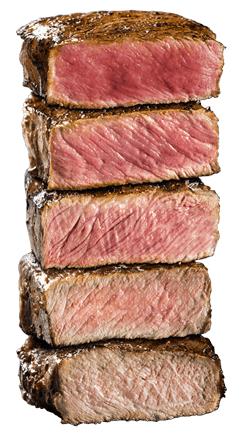
Knowing what temperature to cook your foods at is very important when preparing a meal. If you are not careful, then you could make yourself and whoever you are cooking for, very ill. Meats, which accompany so many meals in the U.S., fall into several different categories. There is pork, fish, chicken, beef, ham, and more. I am going to tell you what temperatures to cook them at, and what could happen if you don’t.

If you are cooking chicken, a safe temperature to set your oven on to is three hundred and fifty to three hundred and seventy-five degrees Fahrenheit. Cooking at lower temperatures risks allowing bacteria to spread and not reaching a proper internal temperature.  In any event, once you have cooked it for the proper amount of time, the internal temperature needs to be at least one-hundred and sixty-five degrees Fahrenheit. The thermometer needs to be placed into the meat in a thick spot, reaching closest to the center of the meat as possible to make sure that the internal temperature is reached in all of the meat.

The internal cooking temperature for lamb and ground beef is at one hundred and sixty degrees Fahrenheit. Again, you can find the internal temperature by using an instant-read thermometer and sticking it in the deepest part of the whatever meat you are cooking, such as a leg of lamb or a roast or meatloaf.  To book non-ground beef, for medium you serve once it’s at one hundred and forty-five degrees.  Some people even eat beef at lower internal temperatures (rare is 125 degrees, but this includes room-temperature), and while there is always some risk in eating anything not cooked sufficiently to kill bacteria, if the external surfaces of the beef are seared, this is not uncommon.

Now, do you know what internal temperature fish needs to be at for you to eat? Well,  it isn’t too difficult to remember. The internal temperature needed to cook at fish is follows that of non-ground beef that is served medium – one hundred and forty-five degrees Fahrenheit. Most cooks can view this visually by cooking the fish until the flesh separates easily with a fork.  Commonly, shrimp and other shell fish are also cooked until “visually” they are opaque in coloring.

So What can Happen if I Fail to Cook Meat to a Proper Temperature?

If you do not cook chicken, fish, or other meats to the proper temperature, then you are exposing yourself and your loved ones to different types of food poisoning like E.coli, salmonella, Klebsiella, Enterococcus, Campylobacter, and more. The symptoms of these illnesses include nausea, vomiting, abdominal cramps, diarrhea, fever, and a number of other symptoms. Other bacteria, like botulism and ciguatoxin, or scombroid, can have different symptoms that may even appear neurological, such a symptoms that look like paralysis or a stroke.

With any of these types of food poisoning, your child, family members, or you could become very ill, including requiring hospitalization. Food poisoning, which affects 48 million in the US annually costs billions in medical expenses, lost wages, and down time.  So, stay safe by always having a few digital thermometers in the kitchen, using them properly, and cooking all your foods (especially meat)to the proper temperatures.

Sources:

https://www.thespruceeats.com/temperature-for-chicken-breasts-995349

https://www.healthline.com/health/what-happens-if-you-eat-raw-chicken#symptoms

https://www.foodsafety.gov/food-safety-charts/safe-minimum-cooking-temperature

Food poisoning Lawyer

Temperature to Cook your Food temperature to cook your meat
Share. Facebook Twitter Pinterest LinkedIn Tumblr Email
Tony Coveny, Ph.D

Tony Coveny, has been practicing infectious disease litigation exclusively for more than a decade, settling cases against major agro-industrial companies, international suppliers, and domestic distributors and manufacturers. Tony Coveny, alongside Ron Simon, has tried cases against restaurants, distributors, national manufacturers, and foreign corporations to recover damages against their clients. From the main office in Houston, which he manages, he speaks to potential and current clients on a daily basis.

Related Posts

Food Poisoning’s ‘Big 6’ Pathogens: What They Are and How to Avoid Them

February 24, 2026

Why Pregnancy Changes the Body’s Defense Against Foodborne Bacteria Such as Salmonella, Listeria, or E. coli

February 9, 2026

Why Some People Get Food Poisoning and Others Don’t After Eating the Same Food

January 14, 2026

Peace by Chocolate Recalls Pistachio-Containing Chocolates Amid Salmonella Contamination Concern

January 10, 2026
Add A Comment
Leave A Reply Cancel Reply

Attorney Advertisement
Ron Simon

Subscribe to Updates

Get the latest food safety recall, outbreak, & investigation news.

Latest Posts

Long-Term Gastrointestinal Consequences of Foodborne Illness: Mechanisms, Risk Factors, and Public Health Implications

February 26, 2026

The “Silicon Scent” of Safety: AI and the Future of Predictive Outbreak Prevention

February 26, 2026

Foodborne Botulism from Improperly Home-Canned Foods: Mechanisms, Risks, and Public Health Challenges

February 26, 2026

Food Poisoning News is a website devoted to providing you with the most current information on food safety, dangerous pathogens, food poisoning outbreaks and outbreak prevention, and food poisoning litigation.

We're social. Connect with us:

Facebook X (Twitter) YouTube
Latest Posts

Long-Term Gastrointestinal Consequences of Foodborne Illness: Mechanisms, Risk Factors, and Public Health Implications

February 26, 2026

The “Silicon Scent” of Safety: AI and the Future of Predictive Outbreak Prevention

February 26, 2026

Foodborne Botulism from Improperly Home-Canned Foods: Mechanisms, Risks, and Public Health Challenges

February 26, 2026
Get Informed

Subscribe to Updates

Get the latest food safety recall, outbreak, & investigation news.

Facebook X (Twitter) YouTube
  • Home
© 2026 Food Poisoning News. Sponsored by Ron Simon & Associates a Houston, TX law firm. Powered by ArmaVita.
Our website and content are for informational purposes only. Food Poisoning News does not provide legal advice, medical advice, diagnosis, or treatment.

Type above and press Enter to search. Press Esc to cancel.