

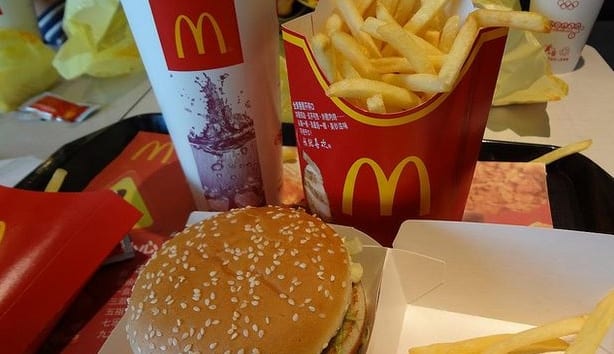

McDonalds has a new CEO – and a new policy toward the chicken it purchases, and ultimately sales, to the American public at its 14,000 U.S. locations. Ironically, the “burger” restaurant sells more chicken than it does beef, and as one of the largest purchasers of chicken in the U.S., it can set the tone for chicken producers. Now, it is demanding that chicken to be free of human-use antibiotics, or antibiotics traditionally used to treat human illness. The change in policy reflects growing concern for the growing number of antibiotic resistant bacteria presenting each year in the U.S. According to the CDC, the current annual rate is approximately 2 million human cases, leading to about 23,000 deaths (these illnesses also account for $20 billion in direct healthcare costs).
According to the Senior Vice President of McDonald’s North American supply chain, Marion Gross, this action is a simple nod to what customers have been telling McDonalds they want. The new plan, as announced by the new CEO, Steve Easterbrook, is to phase in the new policies over the next two years, allowing time for chicken producers to make changes in how they raise chicken. Tyson Foods, Inc., as one of the largest chicken suppliers, will be forced to implement these changes if they wish to remain a primary supplier to McDonalds in North America – but what this does not leave Tyson or the other chicken producers without options. What the new policy does NOT do is ban antibiotics altogether. The use of ionophores, or antibiotics that are not used to treat humans, will remain an acceptable means of protecting chicken hearth from hatchery to preparation for sale to restaurants like McDonalds.
So What Does this Change Mean in the Larger Picture?
In the larger context of the American restaurant landscape, this change is likely to be a trend setter, with numerous other fast food chains following suit. Panera, another American restaurant, has not used chicken treated with antibiotics for nearly a decade, and Chick-fil-A made the same decision a year ago. But this decision, like many others made by McDonalds, is likely a game changer. McDonalds is one of the largest players and a “gold standard” in the fast food market. And for suppliers, this means that production of antibiotic free chicken is no longer a niche market once belonging to smaller outfits like Perdue, a U.S. poultry producer who championed mostly-antibiotic free chicken for years, going “all the way” in September of 2014. But Perdue, which slaughters just over 600 million chickens each year (about the same as Koch Foods Inc.), is a much smaller producer than Tyson (slaughtering over 1.8 billion chickens each year) and Pilgrim’s Pride (slaughtering over 1.7 billion chickens each year). In short, the McDonald’s decision will have industry-wide implications.
But the decision will also have an enormous impact on human health, or at least that is what many consumer advocates believe. Food Poisoning Lawyer Ron Simon, a leading food safety advocate, explains it this way: “While it is not entirely clear to what extent the use of antibiotics in chicken has had on the creation of superbugs, the rise of superbugs in recent years seems to have gone hand-in-hand with the use of antibiotics in the food supply.” Simon, who represents victims in the Foster Farm Salmonella outbreak of 2013-2014 has noted that many of the seven strains of Salmonella Heidelberg associated with Foster Farms chicken tested antibiotic resistant to one, or multiple, commonly used antibiotics. “This is a disturbing trend, says Simon, as many of these individuals then develop acute cases of salmonellosis that require longer hospitalizations and that may lead to long-term illness. What most people do not know, Simon explains, it that some estimates put the percentage of antibiotics used in the U.S. on animals at about 70% of the total used in the nation annually. “The market in antibiotics for use in poultry and other animals used for food is huge,” Simon says, adding “this is a very good first step for McDonalds, and we can only hope they will extend the ban to the beef it serves.”
Note: Also announced by McDonalds’ CEO Easterbrook was that this year McDonalds is introducing some milk products from cows that have not been treated with artificial growth hormones.
