
Close Menu
  • Food Poisoning
    • Symptoms
    • Prevention
    • Treatment
    • Causes
  • Pathogens
    • Botulism
    • Campylobacter
    • E. coli
    • Cyclospora
    • Norovirus
    • Hepatitis A
    • Salmonella
    • Listeria
    • Shigella
  • Food Safety
    • How to wash your hands
    • Food Safty And The Holidays
  • Legal
    • Can I sue for Food Poisoning?
    • E. coli Lawyer
      • E. coli Lawsuit
    • Salmonella Lawyer
      • Salmonella Lawsuit
    • Botulism Lawyer
    • Cyclospora Lawyer
    • Shigella Lawyer
    • Hepatitis A Lawyer
  • Outbreaks and Recalls
  • Connect With A Lawyer
What's Hot

Peace by Chocolate Recalls Pistachio-Containing Chocolates Amid Salmonella Contamination Concern

January 10, 2026

Frozen Tater Tots Recalled in 26 States Due to Possible Plastic Contamination

January 10, 2026

Cheese Recall Escalated to Highest Risk Category as Listeria Contamination Spreads Across U.S. Markets

January 10, 2026
Facebook X (Twitter) Instagram
Facebook X (Twitter) YouTube
  • About
  • Contact Us
Food Poisoning NewsFood Poisoning News
  • Home
  • Food Poisoning
    • What is Food Poisoning?
      • Symptoms
      • Causes
      • Prevention
      • Treatment
      • Statistics
    • Pathogens
      • Botulism
      • Campylobacter
      • E. coli
      • Hepatitis A
      • Shigella
      • Norovirus
      • Salmonella
      • Cyclospora
      • Listeria
  • Food Safety
    • How to wash your hands
    • Food Safty And The Holidays
  • Legal
    • Salmonella Lawyer
      • Salmonella Lawsuit
    • E. coli Lawyer
      • E. coli Lawsuit
    • Cyclospora Lawyer
    • Shigella Lawyer
    • Hepatitis A Lawyer
    • Botulism Lawyer
  • Outbreaks and Recalls
Food Poisoning NewsFood Poisoning News
Home»Featured»Hosting a BBQ: Keys to Keeping Guests Safe from Food Poisoning! 
Hosting a BBQ: Keys to Keeping Guests Safe from Food Poisoning! 
The golden rule is to keep food items apart for a myriad of safety reasons.
Featured

Hosting a BBQ: Keys to Keeping Guests Safe from Food Poisoning! 

Jennifer Harper, M. Ed.By Jennifer Harper, M. Ed.July 18, 2022Updated:July 18, 2022No Comments4 Mins Read
Share
Facebook Twitter LinkedIn Pinterest Email Reddit

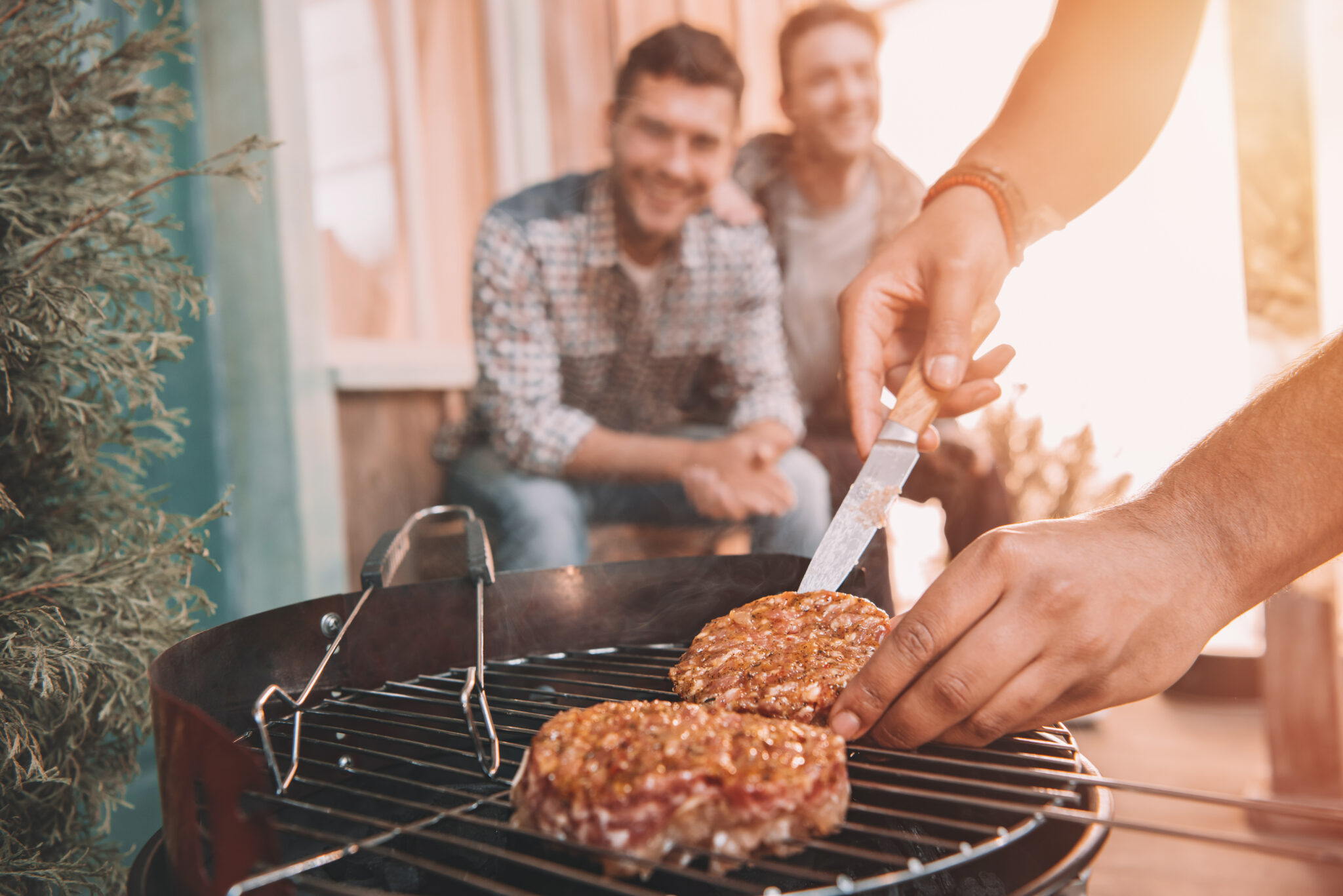
It’s that time of year when the sun is out, the deck is cleaned, and the grill comes out! Nothing says summer more than friends and family dining around a BBQ dinner. But, unfortunately, food poisoning spikes in the summertime. So, how does one make sure we keep the guests safe when handling the food? 

Let’s review the top four ways to stay safe around food: cleanliness, keeping foods apart, checking the temperature of food, and keeping hot food hot and cold food cold.

Before a summer chef starts grilling, he or she will get the BBQ clean and ready to go! Before preparing that meal, it is important to preheat the grill – get it hot and scrub it clean. Oftentimes, the grill still has food items stuck on it from the last meal – the one everyone enjoyed a month ago! This stuck-on food is enticing to insects and a ready-to-eat meal for bacteria. Even the birds love a grill that has been left open and is covered with tasty morsels. If a summer chef fails to clean and burn this off, the result is that the new food is cooked in the remnants of those potentially contaminated items. Herein the new meals are at risk of getting friends and loved ones sick. After a good preheat/burn session, wipe the grill with a wet paper towel or cloth to be sure it’s clean and nothing remains (like those wire bristles that can sometimes fall off the grill tools). Once the grill is ready to go, old safe-handling practices kick in, like washing hands thoroughly to get ready to handle the food!  

The golden rule is to keep food items apart for a myriad of safety reasons. When grabbing items from my fridge or shopping in the market, always keep the meat and seafood in plastic bags away from other food. This limits the transfer of bacteria onto other items. Cross-contamination can easily happen when the raw juice touches other food items, surfaces, utensils, or when using the same cutting board without thoroughly cleaning it (when it comes to cutting boards, I have ones for meat only). Be sure to keep the working area sanitized before and after handling raw meat. Additionally, when marinating meats or seafood – do this in the refrigerator to avoid bacteria growth and toss out the marinade.

When packing up raw meat to take somewhere, again be careful to keep these items separate from other foods (like fruit and salads). To keep these items cold grab (another useful secret) is to them last thing before leaving the grocery store, or from the fridge before placing them on the grill. Per the CDC guidance, keep all the meat, poultry, and seafood menu items refrigerated until ready to grill. When transporting the meats or raw foods for more than a short distance, keep the items 40°F or below in an insulated cooler.

Again, always wash your hands after handling raw meat or seafood.

Finally, when cooking meat, keep in mind the temperature guidelines recommended by the CDC, listed below. While seafood is easier to tell when done, meat is not. As such, always use a good thermometer and check to be certain the internal temperature is where it needs to be before serving any guests. Failing to get the internal temperature hot enough may not kill the germs that will make guests sick. After taking the meat/seafood off the grill, keep it at a temperature of at least 140°F until serving the meal.

Recommended grilling temperatures:  

  • 145°F—whole cuts of beef, pork, lamb, and veal (then allow the meat to rest for 3 minutes before carving or eating)
  • 145°F—fish
  • 160°F—hamburgers and other ground beef
  • 165°F—all poultry and pre-cooked meats, like hot dogs 

These simple reminders make it possible to enjoy the summer while keeping friends, family and guests safe. Practicing repeated hand-washing before and after handling food and cleaning and sanitizing wherever food is prepared, is essential. Keep raw meats and seafood away from other foods to avoid cross-contamination. Always check the temperature of the food to be sure to kill any harmful bacteria before serving the meal. And lastly, always keep cold items in the fridge at 40°F or below and hot items at 140°F until it is time to serve the meal. For more information about how to prevent food poisoning, head over to the CDC guidelines.

Share. Facebook Twitter Pinterest LinkedIn Tumblr Email
Jennifer Harper, M. Ed.

Related Posts

Frozen Tater Tots Recalled in 26 States Due to Possible Plastic Contamination

January 10, 2026

The Risks of Baking Sourdough Bread From a Starter and How to Avoid Mistakes

January 9, 2026

Why Is It That Pregnant Women Have to Worry About Listeria More Than Others?

January 8, 2026

How Viruses Like Hepatitis A and Norovirus Are Changing the Global Food Safety Landscape

January 5, 2026
Add A Comment
Leave A Reply Cancel Reply

Attorney Advertisement
Ron Simon

Subscribe to Updates

Get the latest food safety recall, outbreak, & investigation news.

Latest Posts

Peace by Chocolate Recalls Pistachio-Containing Chocolates Amid Salmonella Contamination Concern

January 10, 2026

Frozen Tater Tots Recalled in 26 States Due to Possible Plastic Contamination

January 10, 2026

Cheese Recall Escalated to Highest Risk Category as Listeria Contamination Spreads Across U.S. Markets

January 10, 2026

Food Poisoning News is a website devoted to providing you with the most current information on food safety, dangerous pathogens, food poisoning outbreaks and outbreak prevention, and food poisoning litigation.

We're social. Connect with us:

Facebook X (Twitter) YouTube
Latest Posts

Peace by Chocolate Recalls Pistachio-Containing Chocolates Amid Salmonella Contamination Concern

January 10, 2026

Frozen Tater Tots Recalled in 26 States Due to Possible Plastic Contamination

January 10, 2026

Cheese Recall Escalated to Highest Risk Category as Listeria Contamination Spreads Across U.S. Markets

January 10, 2026
Get Informed

Subscribe to Updates

Get the latest food safety recall, outbreak, & investigation news.

Facebook X (Twitter) YouTube
  • Home
© 2026 Food Poisoning News. Sponsored by Ron Simon & Associates a Houston, TX law firm. Powered by ArmaVita.
Our website and content are for informational purposes only. Food Poisoning News does not provide legal advice, medical advice, diagnosis, or treatment.

Type above and press Enter to search. Press Esc to cancel.