

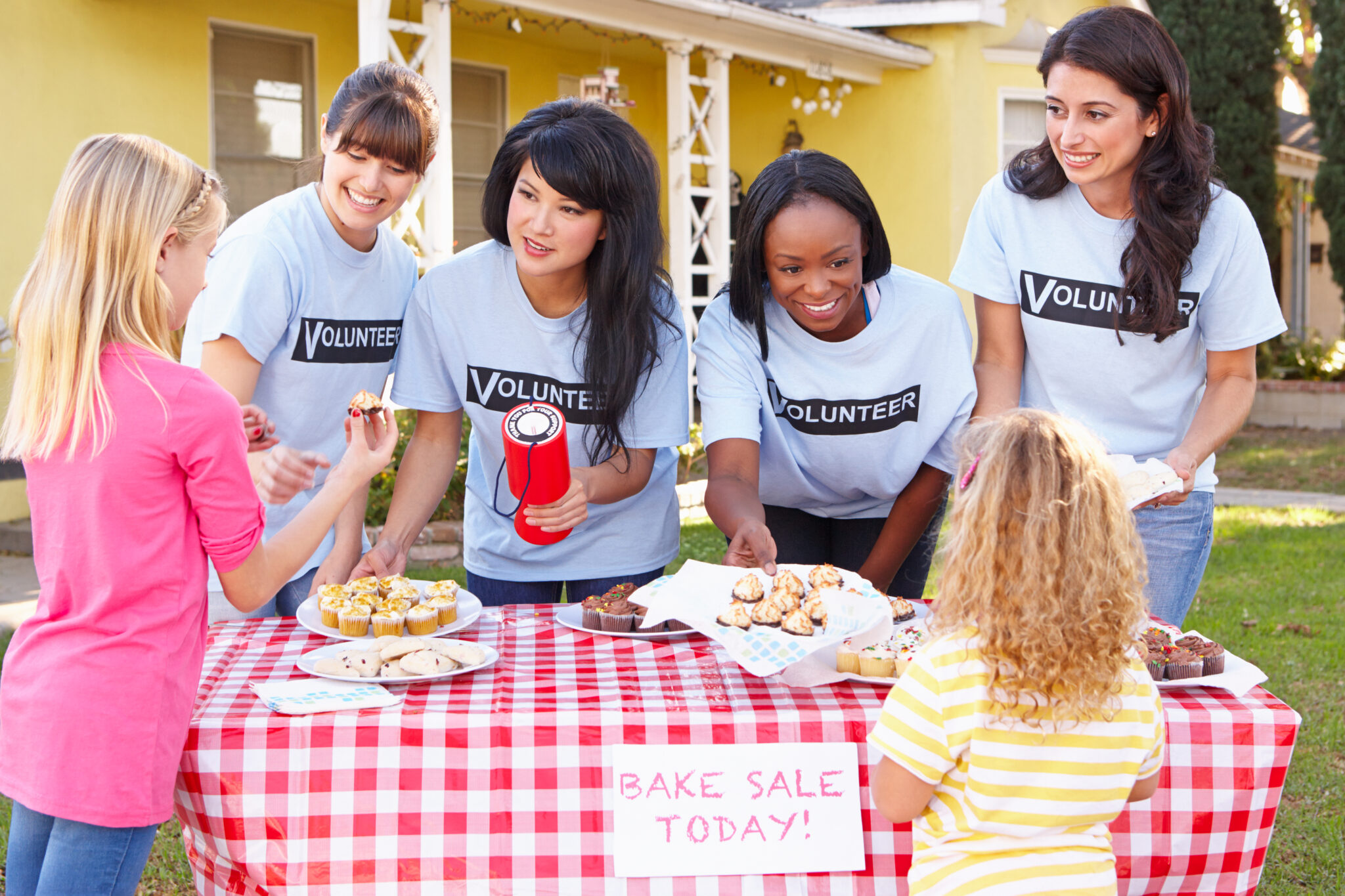

Spring is officially here and so are bake sales! Whether outside the church doors, or next to a grocery store, bake sales can be found being used for fundraising. But as noble as most of these fundraisers are, there are some concerns that come along with these baked goods.
Are bake sales safe? What can the bakers and customers do to prevent food poisoning at a bake sale? In addition to practicing good food handling, personal hygiene, and avoiding cross contamination, here are a few words of wisdom:
Baked goods; which ones should I avoid?
Firstly, certain foods should not be sold at a bake sale, and should not be purchased from such. These include, but are not limited to:
- Cheesecake
- Home-canned foods
- Pumpkin, meringue, custard or cream-filled desserts
- Any fillings or frostings that contain cream cheese
- Pastries
- Cakes, muffins, doughnuts, or cupcakes filled with cream
Which desserts are safe to buy?
Foods sold at a bake sale, especially outdoors, should be shelf-stable and hazard-free products. These include the following:
- Candy
- Muffins not filled with cream
- Creamless Cupcakes
- All dried fruits, herbs or spices
- Bars
- Breads
- Fruit-based pies that do not require refrigeration
- Cookies
- Cakes not filled with cream
Transporting baked goods
When running a bake sale, individuals should keep in mind the proper transportation rules to avoid contaminating or spoiling the food. All items for sale should be wrapped tightly to avoid contact with dirt, dust or bugs. The food should never encounter pets, or be transported in a car that contains pet hair or fur; the car should be thoroughly cleaned before transportation. Whenever possible, transport baked goods in a refrigerated container.
Red flags to look out for
As a customer, when selecting a baked item at a sale, there are some red flags and indicators of spoiled food one can look out for. For example, any mold on the product is a sure sign there may also be bacteria. Avoid baked items left exposed to the open-air, as well as products that are not individually packaged, as this can cause cross-contamination. Look to see in the items are coming into contact with the seller’s hands – as they are likely also handling money and most bake sales do not have a hand sink readily available!
Overall, bake sales are a common, fun way to raise money for organizations. The above guidelines and reminders can help both the vendor and customer maintain a safe, food-poisoning free environment without much hassle.
Note: The food poisoning law firm of Ron Simon & Associates, who provided some insight on this topic, is currently handling a case of a fund-raiser-gone-wrong. In that case, a burrito dinner fund-raiser was replete with problems, and cross contamination likely led to a deadly salmonella outbreak that sickened about 100 people and led to the death of one person in the community.
