

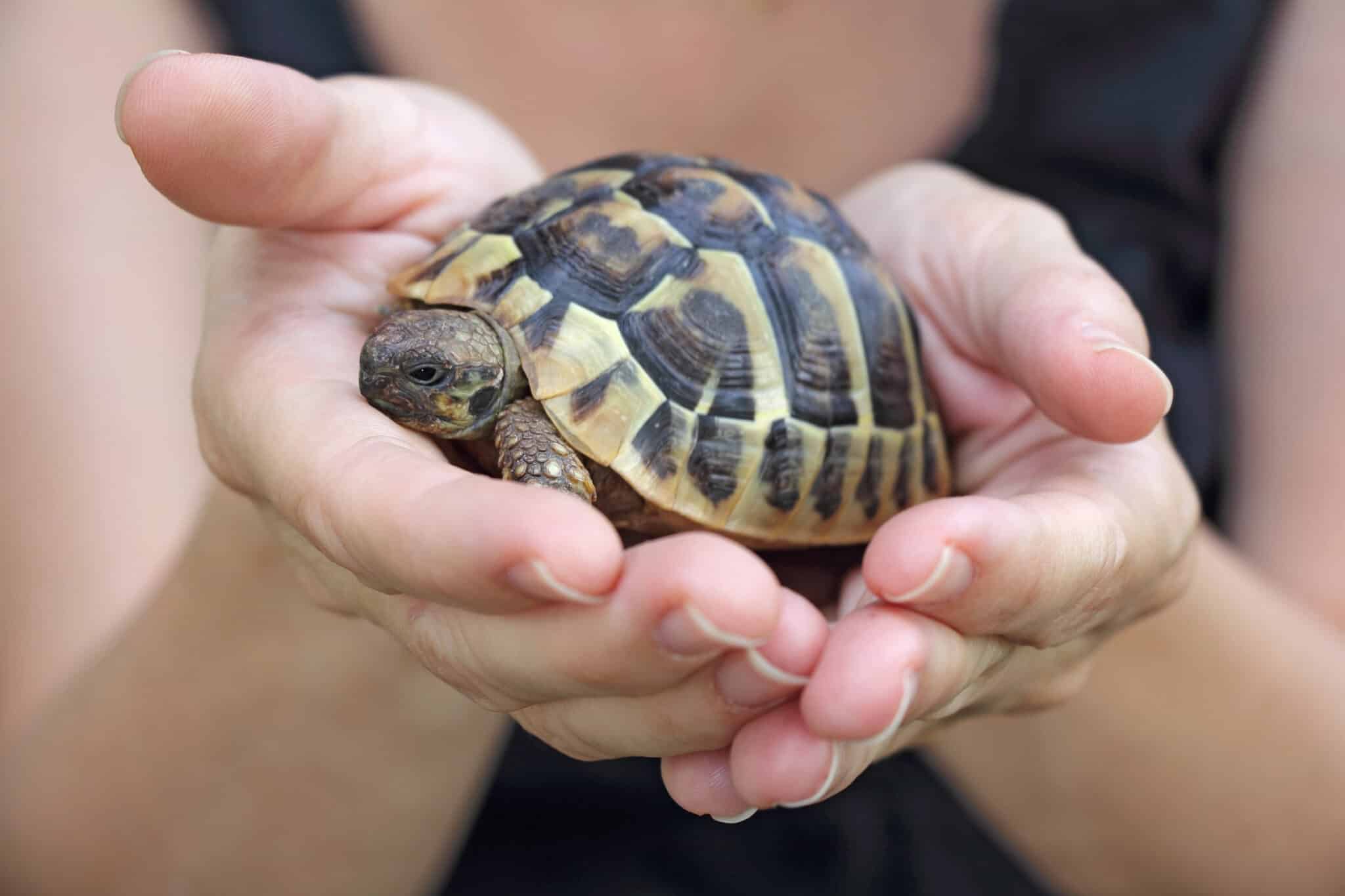

The Centers for Disease Control and Prevention (CDC) and state health officials are currently investigating a multistate outbreak of Salmonella infections linked to small turtles. Turtles with shells less than 4 inches long are known to be a common source of Salmonella transmission, particularly to young children.
As of August 16, 2024, the investigation has identified 51 confirmed cases of Salmonella across 21 states. Of these cases, 23 individuals have been hospitalized. As with previous Salmonella outbreaks tied to small pets, young children have been the most affected. Seventeen of the 51 confirmed cases are children under five and 10 are children under one years old. No deaths have been reported thus far.
The investigation into this outbreak remains active as health officials work to identify the exact source and extent of the contamination.
Salmonella bacteria can be carried by turtles, even those that appear healthy and clean. These germs can be present in the reptiles’ droppings and can easily spread to their bodies, tank water, and the surrounding environment. Individuals can become infected by touching a turtle or its habitat and then touching their mouth or food without properly washing their hands.
The federal government has long recognized the risks associated with small pet turtles, leading to a ban on the sale and distribution of turtles with shells less than 4 inches long. Despite this regulation, these turtles are sometimes still sold illegally through online marketplaces, stores, flea markets, and roadside stands.
Health officials have urged the public to be cautious when it comes to acquiring pet turtles. Individuals should only purchase turtles with shells longer than 4 inches from reputable pet stores, as these establishments are not permitted to sell the smaller, riskier turtles. Additionally, it is important to note that pet turtles are not recommended for certain high-risk groups, including children under the age of 5, adults aged 65 and older, and individuals with weakened immune systems, as they are more susceptible to severe Salmonella infections.
To prevent the spread of Salmonella, health experts recommend several key precautions when interacting with pet turtles:
- Wash hands thoroughly with soap and water immediately after touching, feeding, or cleaning the turtle’s habitat.
- Avoid kissing, snuggling, or eating or drinking around the turtle, as this can lead to the transmission of Salmonella bacteria.
- Keep the turtle and its living space separate from areas where food is prepared or consumed, such as the kitchen.
- Use dedicated cleaning tools, such as a wash tub and sponge, for the turtle’s habitat, and avoid using the kitchen sink to clean these items.
- If deciding that a pet turtle is not the right fit, do not release the animal into the wild, as this can disrupt local ecosystems. Instead, contact a reptile rescue, animal shelter, or pet store for safe rehoming options.
Symptoms of Salmonella infection typically include diarrhea, fever, and stomach cramps, and typically appear within 6 hours to 6 days after exposure to the bacteria. While most individuals recover without specific treatment within 4 to 7 days, severe cases may require medical attention, particularly in high-risk groups.
Individuals experiencing severe Salmonella symptoms, such as diarrhea and a fever higher than 102°F, persistent diarrhea for more than 3 days, bloody diarrhea, or signs of dehydration, are advised to seek immediate medical care.
Businesses that sell or distribute turtles are also expected to play a role in addressing this public health issue. Federal law prohibits the sale of turtles with shells less than 4 inches long, and businesses should educate their customers about the risks associated with these pets and the proper safety measures to take when interacting with turtles.
Last year, the CDC issued a similar alert after a Salmonella outbreak across 24 states was linked to small turtles. In that incident, 80 people were sickened and 32 of them were hospitalized. Fortunately, there were no reported deaths.
In June, Food Poisoning News reported on another outbreak of Salmonella infections tied to another household pet, bearded dragons. So far, 15 illnesses and 4 hospitalizations across 9 states have been recorded. As of this writing, the investigation is still ongoing.
Commenting on this article, one national Salmonella lawyer said, “Consumers should take proactive steps to protect themselves and their families. Any family with young children, seniors, or individuals with compromised immune systems should strongly reconsider acquiring small turtles under four inches as pets.”
