

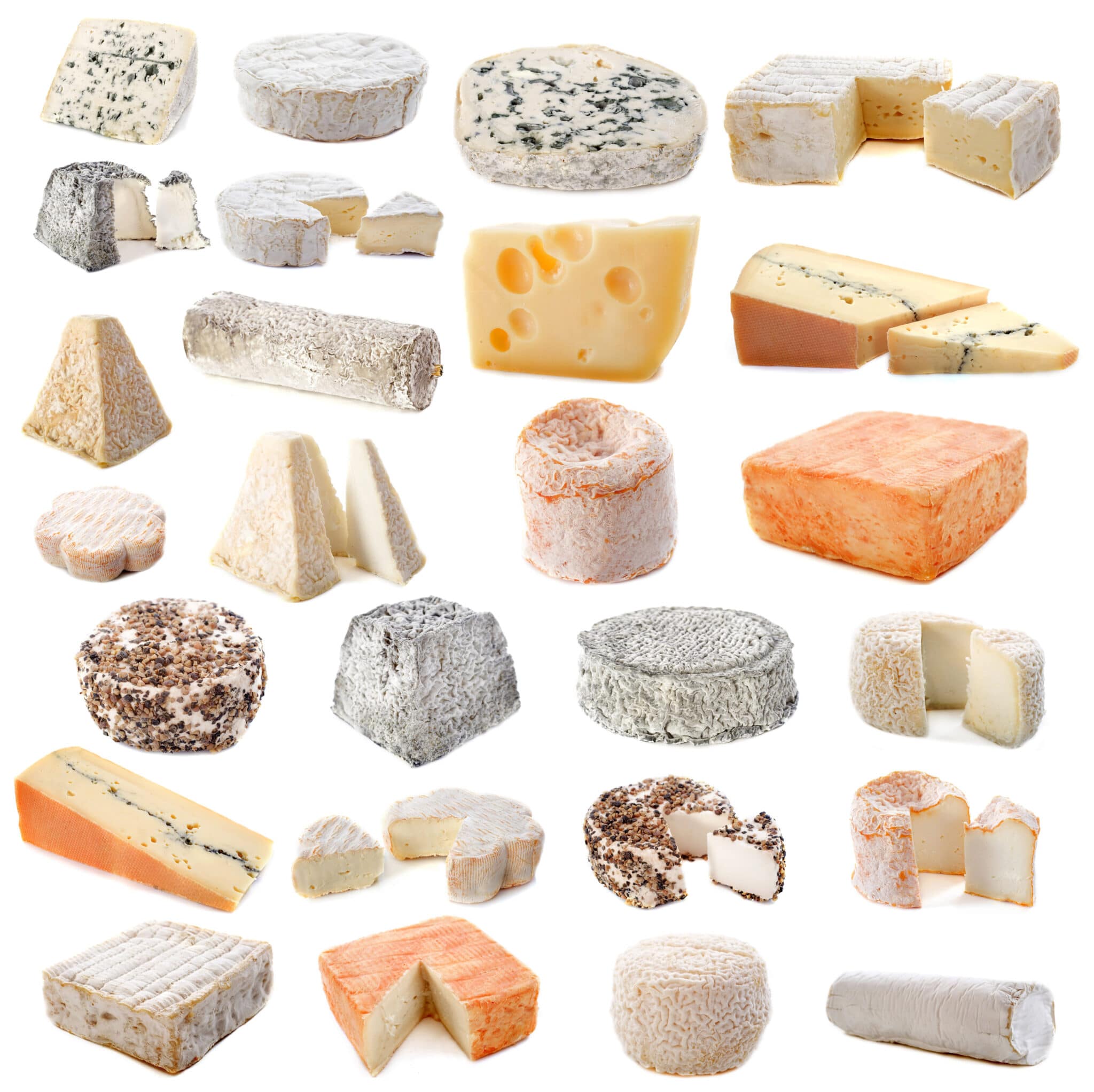

The Canadian Food Inspection Agency (CFIA) along with A. Bosa & Co. Ltd and Les Amis du Fromage have announced a recall of Jean Perrin-brand morbier cheese due to contamination with E. coli. E. coli is a pathogen that can cause serious, and sometimes deadly, foodborne illness in certain populations.
Background
The recall was initiated after a similar recall in another country.
This recall is classified as a Class I recall, meaning that there is a high risk that eating the recalled food product will lead to severe health problems or even death.
Distribution
The recalled product was only distributed in the Canadian province of British Columbia.
Product Details
| Brand | Product | Weight | UPC Code | Other Codes | Other Information |
| Jean Perrin | Morbier AOP cheese | Variable | 202412000653 | Lot: 36110 Feb 24, 2025 Lot: 31304 Jan 27, 2025 Lot: 33206 Jan 26, 2025 | NA |
| None, sold at Les Amis du Fromage | Morbier cheese Jean Perrin | Starts with 0202498 | Sold up to and including January 29, 2025 | Sold at Les Amis du Fromage, Vancouver, BC |
Consumer Action
As with all food recalls, consumers are strongly advised to discontinue use of the affected product even if they look or smell safe to eat.
Anyone in possession of the recalled product is requested to not sell, serve, or distribute them.
The affected product should be returned to the place of purchase or thrown away immediately.
Consumers should thoroughly sanitize any surface or utensils that have come into contact with the impacted product.
Consumers with additional questions or concerns can contact the CFIA by phone at 800-442-2342 toll free in either Canada or the United States or by email at [email protected].
Health Risks
There have been no reports of injuries or illnesses in Canada in association with consumption of the recalled product. Any consumer who has come into contact with the impacted items, and is experiencing sickness or symptoms of food poisoning, should contact their medical provider immediately.
The majority of E. coli strains are not harmful and play a crucial role in maintaining a healthy gut ecosystem by assisting in breaking down the food, contributing to the production of essential vitamins, and acting as a defense mechanism against more dangerous microorganisms.
However, not all E. coli are benign. Certain strains can cause a range of health issues in humans, including gastrointestinal distress resulting in diarrhea, infections of the urinary tract, respiratory ailments like pneumonia, and even severe systemic infections such as sepsis. Symptoms generally appear two to five days after exposure but can emerge anywhere from one to eight days later. Most people recover within 5-10 days.
Of particular concern, however, is the potential for some patients to develop Hemolytic Uremic Syndrome (HUS), a severe complication that can lead to kidney failure, neurological damage, and in extreme cases, death. This risk makes early medical intervention crucial for infected individuals.
Commenting on this article, the nation’s leading E. coli lawyer said, “Although the likelihood is remote, there is still a small chance that someone infected with E. coli will develop hemolytic uremic syndrome. Any consumer with the recalled cheese should discontinue it right away and dispose of it quickly and safely.”
