

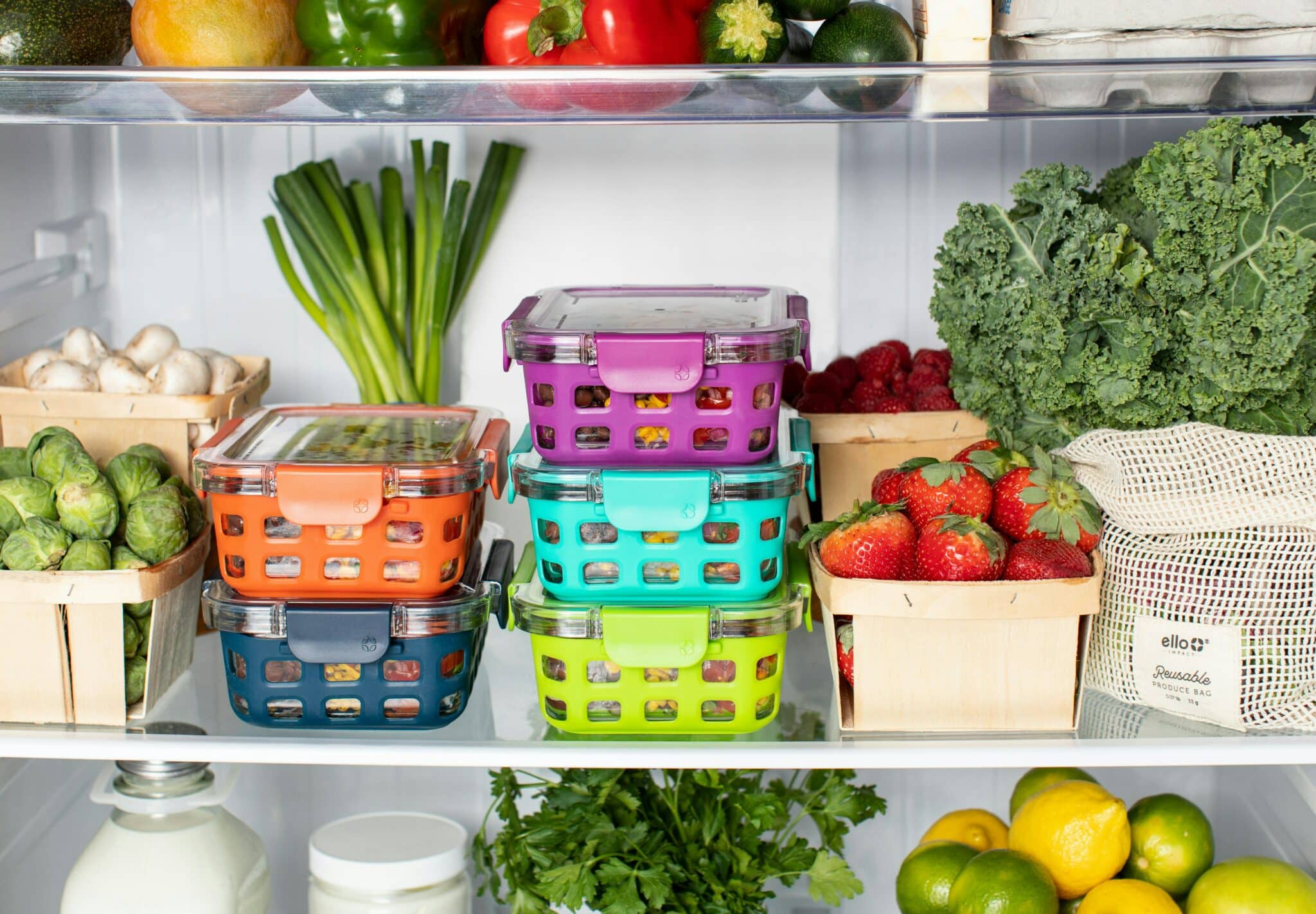

Can Meal-Prep and Food StoraIn recent years, meal prepping has become a popular trend among busy people looking to save time and eat healthier. However, while the focus is often on the nutritional value of the food itself, one critical aspect is frequently overlooked: the safety of the containers used to store these meals. Surprisingly, the very containers designed to keep food fresh could be posing a hidden risk to your health.
The Problem with Plastic Containers
Plastic containers are a staple in many kitchens due to their convenience, affordability, and durability. However, not all plastics are created equal. Many plastic containers contain chemicals like bisphenol A (BPA) and phthalates, which can leach into food, especially when exposed to heat. While BPA-free options are widely available, studies suggest that even these alternatives may release other harmful chemicals under certain conditions.
For example, reheating food in plastic containers in the microwave can cause chemicals to migrate into the food. Over time, repeated exposure to these substances has been linked to health issues such as hormonal disruptions and increased risk of certain diseases. Additionally, plastic containers with scratches or cracks can harbor bacteria in hard-to-clean crevices, increasing the risk of food contamination.
Glass and Stainless Steel: Safer Alternatives?
Glass and stainless steel containers are often touted as safer alternatives to plastic. Glass is non-porous, meaning it doesn’t absorb odors or stains, and it doesn’t leach chemicals into food. It’s also microwave-safe, making it a versatile option for meal preppers. Stainless steel, on the other hand, is durable, lightweight, and free from harmful chemicals. However, it’s not microwave-safe, which can be a drawback for some users.
While these materials are generally safer, they come with their own set of challenges. Glass containers can be heavy and prone to breaking, while stainless steel containers may not be as airtight as their plastic counterparts, potentially compromising food freshness.
The Role of Proper Cleaning and Maintenance
Regardless of the material, improper cleaning and maintenance of meal prep containers can lead to foodborne illnesses. Bacteria like Salmonella and E. coli can thrive in containers that aren’t thoroughly washed or dried. Dishwashers are often seen as a convenient solution, but high temperatures and harsh detergents can degrade plastic containers over time, making them more susceptible to bacterial growth.
To minimize risks, experts recommend hand-washing containers with hot, soapy water and allowing them to air dry completely before reuse. Regularly inspecting containers for signs of wear and tear, such as cracks or warping, is also crucial. Damaged containers should be replaced immediately to prevent contamination.
The Impact of Food Type and Storage Duration
The type of food being stored and the duration of storage can also influence the safety of meal prep containers. Acidic foods, such as tomatoes or citrus-based dishes, can accelerate the breakdown of plastic, increasing the likelihood of chemical leaching. Similarly, oily or fatty foods can absorb chemicals more readily than other types of food.
When it comes to storage duration, the “two-hour rule” is a key guideline. Perishable foods should not be left at room temperature for more than two hours, as this can allow harmful bacteria to multiply. Refrigerating or freezing meals promptly can help extend their shelf life, but it’s important to ensure that containers are airtight to prevent freezer burn or cross-contamination.
What Can Consumers Do?
With so many factors to consider, choosing the right meal prep containers can feel overwhelming. Here are some practical tips to help consumers make safer choices:
- Opt for High-Quality Materials – Invest in containers made from glass or stainless steel, especially for long-term use. If using plastic, choose BPA-free options and avoid microwaving them.
- Check for Certifications – Look for containers that are FDA-approved or meet other food safety standards. This ensures that the materials used are safe for food contact.
- Practice Proper Hygiene – Wash containers thoroughly after each use and inspect them regularly for damage. Avoid using abrasive scrubbers that can create scratches.
- Label and Rotate Meals – Clearly label containers with the date they were prepared and consume older meals first to minimize the risk of spoilage.
- Be Mindful of Food Types – Avoid storing highly acidic or oily foods in plastic containers, and consider using separate containers for raw and cooked foods to prevent cross-contamination.
The Bigger Picture
While meal prepping can be a convenient and healthy habit, it’s essential to consider the safety of the tools we use. By making informed choices about meal prep containers and adopting proper storage practices, consumers can reduce the risk of foodborne illnesses and chemical exposure. As the demand for meal prep solutions continues to grow, manufacturers also have a responsibility to prioritize safety and transparency in their products.
Commenting on this article, the nation’s leading Salmonella lawyer said, “Food safety is not only about what we eat, but also about how we store it. Taking a closer look at our meal prep and storage containers is another key to staying healthy in the kitchen.”ge Containers Give You Food Poisoning?
