
Close Menu
  • Food Poisoning
    • Symptoms
    • Prevention
    • Treatment
    • Causes
  • Pathogens
    • Botulism
    • Campylobacter
    • E. coli
    • Cyclospora
    • Norovirus
    • Hepatitis A
    • Salmonella
    • Listeria
    • Shigella
  • Food Safety
    • How to wash your hands
    • Food Safty And The Holidays
  • Legal
    • Can I sue for Food Poisoning?
    • E. coli Lawyer
      • E. coli Lawsuit
    • Salmonella Lawyer
      • Salmonella Lawsuit
    • Botulism Lawyer
    • Cyclospora Lawyer
    • Shigella Lawyer
    • Hepatitis A Lawyer
  • Outbreaks and Recalls
  • Connect With A Lawyer
What's Hot

Neurolisteriosis: Why Listeria Monocytogenes Causes Meningitis and Encephalitis

January 19, 2026

Back-to-School Food Risks: How Lunch Packing, Cafeterias, and Shared Spaces Increase Food Poisoning

January 14, 2026

Campylobacter Infection: Where It Comes From and Why It’s One of the Most Common Foodborne Illnesses

January 14, 2026
Facebook X (Twitter) Instagram
Facebook X (Twitter) YouTube
  • About
  • Contact Us
Food Poisoning NewsFood Poisoning News
  • Home
  • Food Poisoning
    • What is Food Poisoning?
      • Symptoms
      • Causes
      • Prevention
      • Treatment
      • Statistics
    • Pathogens
      • Botulism
      • Campylobacter
      • E. coli
      • Hepatitis A
      • Shigella
      • Norovirus
      • Salmonella
      • Cyclospora
      • Listeria
  • Food Safety
    • How to wash your hands
    • Food Safty And The Holidays
  • Legal
    • Salmonella Lawyer
      • Salmonella Lawsuit
    • E. coli Lawyer
      • E. coli Lawsuit
    • Cyclospora Lawyer
    • Shigella Lawyer
    • Hepatitis A Lawyer
    • Botulism Lawyer
  • Outbreaks and Recalls
Food Poisoning NewsFood Poisoning News
Home»Featured»Raw Milk Cheeses – Navigating Artisanal Traditions and Food Safety Needs
Raw Milk Cheeses – Navigating Artisanal Traditions and Food Safety Needs
Featured

Raw Milk Cheeses – Navigating Artisanal Traditions and Food Safety Needs

Kit RedwineBy Kit RedwineApril 30, 2025No Comments3 Mins Read
Share
Facebook Twitter LinkedIn Pinterest Email Reddit

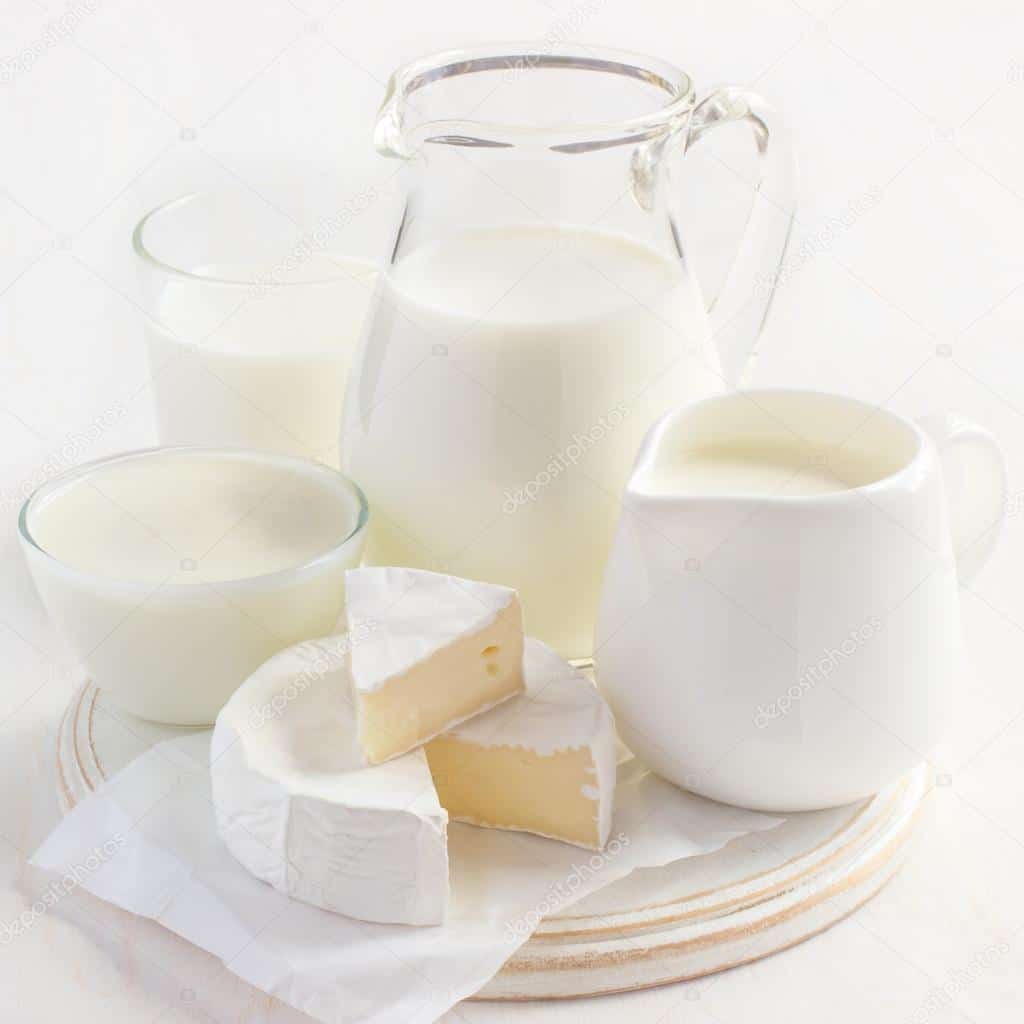
The debate over raw milk cheeses continues to simmer as artisanal producers and food safety advocates grapple with balancing tradition and public health. Made from unpasteurized milk, these cheeses are celebrated for their complex flavors and cultural heritage, yet scrutinized for potential risks linked to harmful bacteria.  

Rooted in centuries-old practices, raw milk cheesemaking remains a cornerstone of culinary traditions in regions like France, Italy, and Switzerland. Protected Designation of Origin (PDO) status safeguards many varieties, such as Roquefort and Comté, mandating traditional methods, including raw milk use. Artisans argue that unpasteurized milk preserves native microbes and terroir, the environmental factors shaping taste, resulting in distinct textures and flavors difficult to replicate with pasteurized alternatives.  

However, health authorities, including the U.S. Food and Drug Administration (FDA) and the Centers for Disease Control and Prevention (CDC), caution that raw milk can harbor pathogens like Listeria, E. coli, and Salmonella. Between 1998 and 2018, the CDC reported over 75 outbreaks tied to raw milk products in the U.S., prompting strict regulations. The FDA requires raw milk cheeses to age at least 60 days, a rule based on historical assumptions that aging reduces pathogens. Critics, including some researchers, argue this timeframe isn’t universally effective, citing outbreaks linked to aged raw milk cheeses.  

In response, artisans emphasize rigorous safety protocols. Many employ frequent milk testing, controlled aging environments, and small-batch practices to mitigate risks. Emerging research suggests raw milk’s natural microbial diversity might inhibit pathogens, though findings remain contested. Organizations like the Raw Milk Institute advocate for standardized safety training, asserting that risk management, not outright avoidance, preserves both tradition and consumer health.  

Regulatory approaches vary globally. The European Union permits raw milk in PDO cheeses without mandatory aging periods, prioritizing tradition. Conversely, the U.S. maintains stricter rules, though recent petitions urge the FDA to reconsider aging requirements, citing modern microbiological insights. Australia prohibits raw milk cheeses entirely, reflecting divergent risk tolerances.  

Consumer demand for artisanal, “natural” foods fuels raw milk cheese markets, despite higher costs. Enthusiasts often seek out these products for their flavor profiles and cultural significance, while educators and retailers increasingly provide guidance on informed consumption, particularly for vulnerable groups like pregnant individuals and immunocompromised populations.  

As debates evolve, stakeholders seek middle ground. Advances in microbial testing and collaborative efforts between producers and regulators may enhance safety without erasing tradition. For now, raw milk cheeses remain at the intersection of heritage and science, their future hinging on dialogue, innovation, and a shared appetite for preservation.


Commenting on this article, the nation’s leading E. coli lawyer said, “I strongly urge consumers to consider only pasteurized dairy products. Pasteurization kills all foodborne pathogens and makes consumption of milk and cheese safe.”

Share. Facebook Twitter Pinterest LinkedIn Tumblr Email
Avatar photo
Kit Redwine

Related Posts

Neurolisteriosis: Why Listeria Monocytogenes Causes Meningitis and Encephalitis

January 19, 2026

State Fair Was Source of Arizona E. coli Outbreak 

January 14, 2026

Harnessing Our Microbial Allies: How Probiotics Wage War on Foodborne Pathogens Like Salmonella and E. Coli

January 12, 2026

Frozen Tater Tots Recalled in 26 States Due to Possible Plastic Contamination

January 10, 2026
Add A Comment
Leave A Reply Cancel Reply

Attorney Advertisement
Ron Simon

Subscribe to Updates

Get the latest food safety recall, outbreak, & investigation news.

Latest Posts

Neurolisteriosis: Why Listeria Monocytogenes Causes Meningitis and Encephalitis

January 19, 2026

Back-to-School Food Risks: How Lunch Packing, Cafeterias, and Shared Spaces Increase Food Poisoning

January 14, 2026

What Foods Are Most Likely to Carry Salmonella—and Why Contamination Happens So Easily

January 14, 2026

Food Poisoning News is a website devoted to providing you with the most current information on food safety, dangerous pathogens, food poisoning outbreaks and outbreak prevention, and food poisoning litigation.

We're social. Connect with us:

Facebook X (Twitter) YouTube
Latest Posts

Neurolisteriosis: Why Listeria Monocytogenes Causes Meningitis and Encephalitis

January 19, 2026

Back-to-School Food Risks: How Lunch Packing, Cafeterias, and Shared Spaces Increase Food Poisoning

January 14, 2026

What Foods Are Most Likely to Carry Salmonella—and Why Contamination Happens So Easily

January 14, 2026
Get Informed

Subscribe to Updates

Get the latest food safety recall, outbreak, & investigation news.

Facebook X (Twitter) YouTube
  • Home
© 2026 Food Poisoning News. Sponsored by Ron Simon & Associates a Houston, TX law firm. Powered by ArmaVita.
Our website and content are for informational purposes only. Food Poisoning News does not provide legal advice, medical advice, diagnosis, or treatment.

Type above and press Enter to search. Press Esc to cancel.