

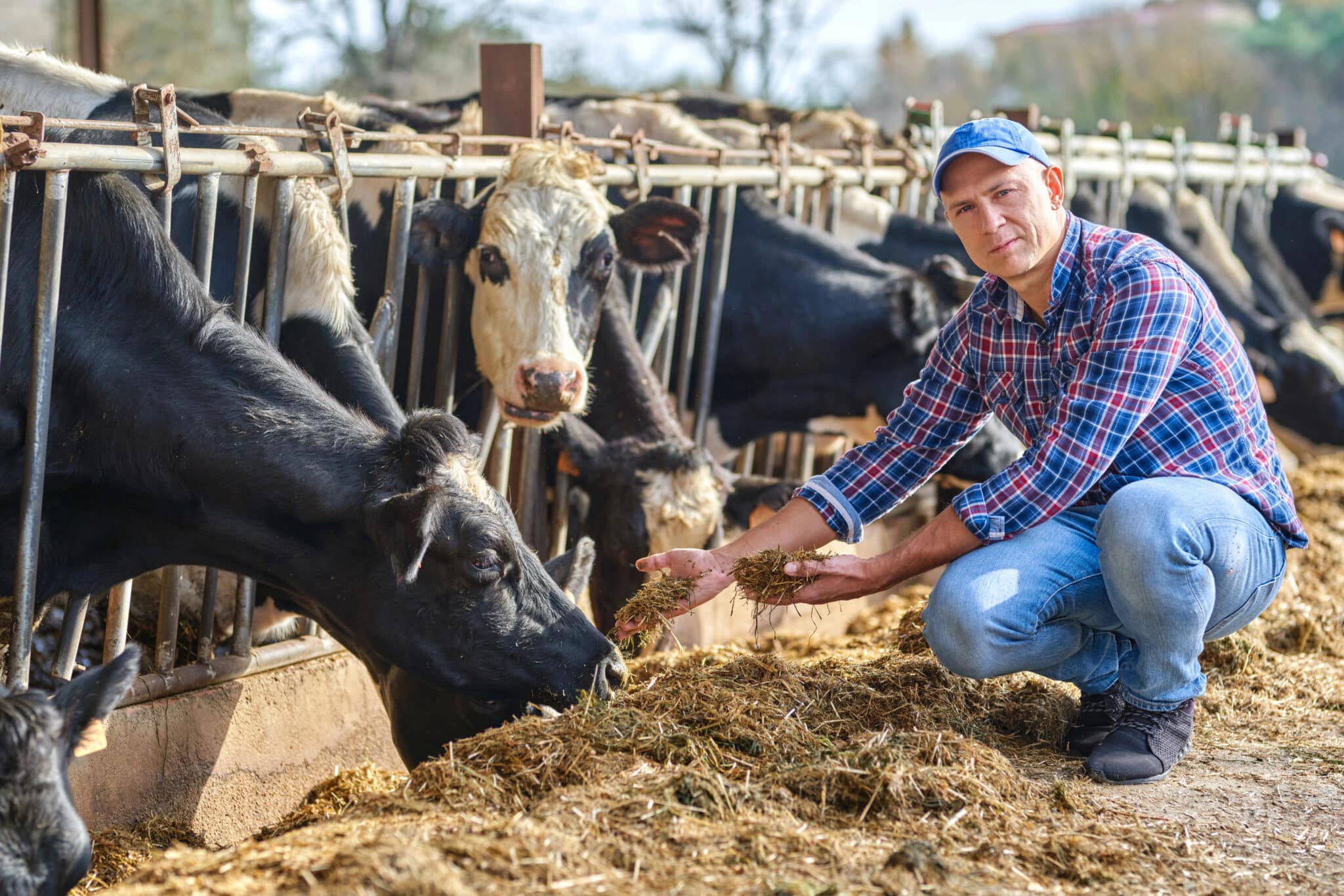

The widespread use of antibiotics in livestock farming has emerged as a critical driver of antimicrobial resistance (AMR), posing a growing threat to human health globally. Approximately 80% of medically important antibiotics are consumed in the animal sector, primarily for growth promotion and disease prevention in healthy animals, according to the World Health Organization (WHO). This practice accelerates the evolution of drug-resistant bacteria, which can spread to humans through food, environmental contamination, or direct contact with animals, undermining the efficacy of life-saving treatments.
The Farm to Human Pathway
Resistant bacteria and antibiotic resistance genes (ARGs) originating in livestock can enter ecosystems through manure, wastewater, and soil. Studies indicate that up to 90% of antibiotics administered to animals are excreted unmetabolized, contaminating environments and fostering ARG proliferation. For instance, tetracycline and sulfonamide resistance genes are frequently detected in livestock waste at concentrations thousands of times higher than in natural settings, increasing the risk of transmission to humans via crops, water sources, or airborne particles. Direct transmission is also documented: a 2012 study traced methicillin-resistant Staphylococcus aureus (MRSA) from pigs to humans, highlighting how resistant strains can adapt to infect people, even those without direct livestock exposure.
Global Impact and Regulatory Responses
The WHO has urged a complete ban on antibiotic use for growth promotion and preventive purposes in healthy animals, advocating instead for targeted treatment of diagnosed infections. Countries like those in the European Union, which prohibited growth promoters in 2006, have demonstrated that reducing antibiotic use in livestock is feasible without compromising productivity. Denmark and the Netherlands, for example, cut antibiotic use by over 50% between 2011 and 2022 through stricter regulations, improved hygiene, and vaccination programs. However, disparities persist globally: Thailand’s livestock antibiotic use is 80 times higher than Norway’s, further stressing the need for unified policies.
The One Health Approach
Addressing AMR requires a collaborative “One Health” framework, integrating human, animal, and environmental health strategies. The CDC emphasizes antimicrobial stewardship, including veterinary oversight and farmer education, to curb unnecessary antibiotic use. Alternatives such as probiotics, vaccines, and improved housing conditions are increasingly adopted to reduce reliance on antibiotics.
Challenges and the Road Ahead
Despite progress, gaps remain. Over 60% of human infectious diseases are zoonotic, and resistant pathogens like Salmonella and Campylobacter continue to emerge from livestock systems. China, a major antibiotic consumer, has initiated policies to restrict non-therapeutic use, but enforcement and global coordination are critical. Researchers stress the urgency of monitoring ARG dissemination and investing in wastewater treatment technologies to mitigate environmental contamination.
As the WHO warns, the rise of untreatable infections could reverse a century of medical progress. Reducing antibiotic misuse in agriculture, alongside enhanced surveillance and international cooperation, remains pivotal to safeguarding public health.
