
Close Menu
  • Food Poisoning
    • Symptoms
    • Prevention
    • Treatment
    • Causes
  • Pathogens
    • Botulism
    • Campylobacter
    • E. coli
    • Cyclospora
    • Norovirus
    • Hepatitis A
    • Salmonella
    • Listeria
    • Shigella
  • Food Safety
    • How to wash your hands
    • Food Safty And The Holidays
  • Legal
    • Can I sue for Food Poisoning?
    • E. coli Lawyer
      • E. coli Lawsuit
    • Salmonella Lawyer
      • Salmonella Lawsuit
    • Botulism Lawyer
    • Cyclospora Lawyer
    • Shigella Lawyer
    • Hepatitis A Lawyer
  • Outbreaks and Recalls
  • Connect With A Lawyer
What's Hot

Rethinking Foodborne Illness in a Changing Food System

January 22, 2026

Is There a Link Between Food Poisoning (Gastroenteritis from Bacteria Such as Salmonella) and Myocardial Infarction?

January 21, 2026

Mechanisms of Produce Contamination: A Comprehensive Review Including Pathogens Such as Salmonella and E. coli

January 21, 2026
Facebook X (Twitter) Instagram
Facebook X (Twitter) YouTube
  • About
  • Contact Us
Food Poisoning NewsFood Poisoning News
  • Home
  • Food Poisoning
    • What is Food Poisoning?
      • Symptoms
      • Causes
      • Prevention
      • Treatment
      • Statistics
    • Pathogens
      • Botulism
      • Campylobacter
      • E. coli
      • Hepatitis A
      • Shigella
      • Norovirus
      • Salmonella
      • Cyclospora
      • Listeria
  • Food Safety
    • How to wash your hands
    • Food Safty And The Holidays
  • Legal
    • Salmonella Lawyer
      • Salmonella Lawsuit
    • E. coli Lawyer
      • E. coli Lawsuit
    • Cyclospora Lawyer
    • Shigella Lawyer
    • Hepatitis A Lawyer
    • Botulism Lawyer
  • Outbreaks and Recalls
Food Poisoning NewsFood Poisoning News
Home»Featured»The Risks of Poor Sponge and Dishcloth Hygiene in Home Kitchens
The Risks of Poor Sponge and Dishcloth Hygiene in Home Kitchens
Featured

The Risks of Poor Sponge and Dishcloth Hygiene in Home Kitchens

Kit RedwineBy Kit RedwineMay 5, 2025No Comments3 Mins Read
Share
Facebook Twitter LinkedIn Pinterest Email Reddit

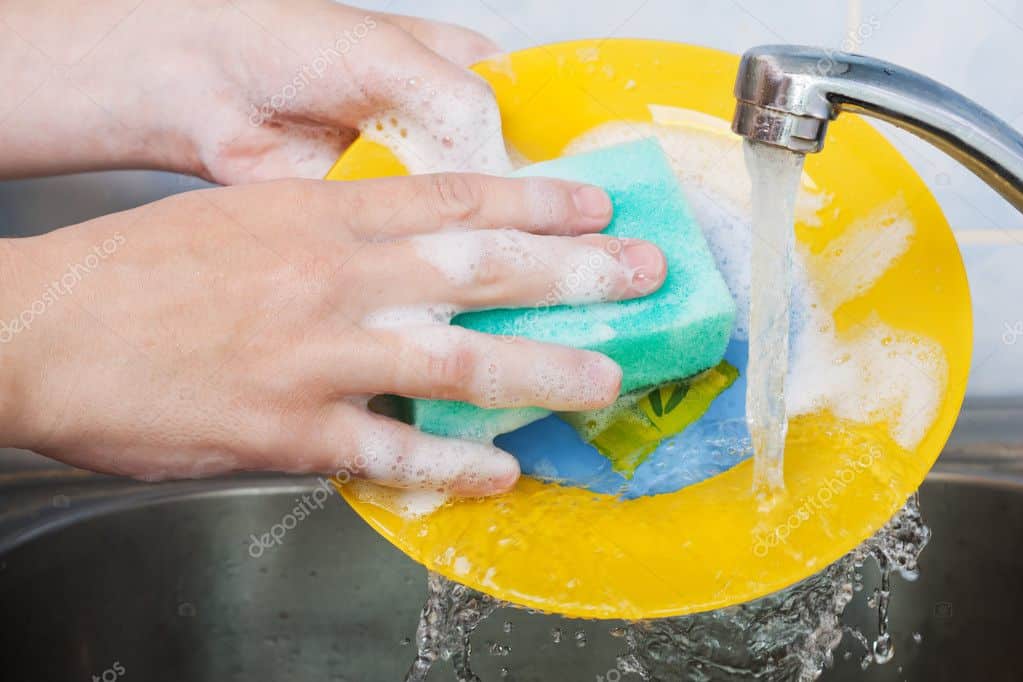
Kitchen sponges and dishcloths, essential tools for cleaning, are among the most contaminated items in households, harboring pathogens (like salmonella or E. coli) that pose risks to food safety and human health. Research highlights how improper maintenance of these tools can inadvertently spread bacteria, contributing to cross-contamination and foodborne illnesses.  

High Contamination Levels   

Studies show that kitchen sponges and cloths can contain up to  54 billion bacterial cells per cubic centimeter, including harmful pathogens like  E. coli, Salmonella, and Staphylococcus aureus. A 2022 USDA-funded study found that 60% of kitchen sponges tested positive for fecal coliforms, with many hosting antibiotic-resistant strains. Moisture and food residue create ideal breeding grounds for microbes, even after rinsing. For example, Pseudomonas aeruginosa, a pathogen linked to respiratory infections, thrives in damp sponges and can survive standard cleaning methods. 

Contributing Factors   

  1. Infrequent Replacement: A 2023 NSF International survey revealed that  75% of households use sponges for over two weeks, exceeding the recommended 7-day limit.  
  2. Ineffective Cleaning Methods: While microwaving or boiling sponges reduces bacterial loads by 60–99%, these methods fail to eliminate all pathogens and may damage sponge integrity, accelerating recontamination.  
  3. Cross-Contamination: Sponges used to wipe countertops, sinks, and dishes transfer bacteria across surfaces. A 2021 study found that cleaning a cutting board contaminated with raw chicken using a sponge spread Salmonella to adjacent utensils in 40% of cases.  

Health Implications   

Contaminated sponges and cloths have been linked to foodborne outbreaks. For instance, a 2019 case study traced a Campylobacter infection in a U.S. household to a sponge used to clean surfaces after handling raw poultry. Additionally, antibiotic-resistant bacteria, such as MRSA and extended-spectrum beta-lactamase (ESBL)-producing E. coli, have been isolated from kitchen sponges, raising concerns about their role in AMR transmission.  

Best Practices for Mitigation

  1. Daily Sanitization: Soak sponges in a bleach solution (1 tablespoon bleach per gallon of water) for 5 minutes or microwave damp sponges for 1–2 minutes.  
  2. Frequent Replacement: Discard sponges every 1–2 weeks and dishcloths after 3–4 days of use.  
  3. Segregation: Use separate sponges for dishes and surfaces, and color-code tools to avoid cross-use.  

Challenges and Innovations

Consumer habits remain a barrier. One survey found that 40% of respondents reuse sponges until they disintegrate, often due to cost concerns. However, innovations like antimicrobial sponges infused with copper or silver nanoparticles show promise, reducing bacterial growth by 99% in lab tests. Reusable silicone scrubbers and biodegradable cellulose sponges are also gaining traction as safer alternatives.  

Key Recommendations from Health Agencies   

  • The CDC advises against using sponges to clean surfaces exposed to raw meat or eggs. 
  • The USDA recommends disinfecting sponges daily and replacing them weekly.  

Conclusion 

Kitchen sponges and dishcloths, though seemingly harmless, are significant vectors for bacterial contamination and foodborne illness. High microbial loads, driven by infrequent replacement and ineffective cleaning practices, underscore the need for heightened hygiene measures. Emerging innovations, such as antimicrobial materials and biodegradable alternatives, offer potential solutions, but consumer adherence to guidelines, like daily sanitization and tool segregation, remains critical. By prioritizing evidence-based practices from health agencies, households can mitigate risks and safeguard against the hidden dangers lurking in everyday cleaning tools.  

dirty sponge or dish towel salmonella and dishtowels
Share. Facebook Twitter Pinterest LinkedIn Tumblr Email
Avatar photo
Kit Redwine

Related Posts

Neurolisteriosis: Why Listeria Monocytogenes Causes Meningitis and Encephalitis

January 19, 2026

State Fair Was Source of Arizona E. coli Outbreak 

January 14, 2026

Harnessing Our Microbial Allies: How Probiotics Wage War on Foodborne Pathogens Like Salmonella and E. Coli

January 12, 2026

Frozen Tater Tots Recalled in 26 States Due to Possible Plastic Contamination

January 10, 2026
Add A Comment
Leave A Reply Cancel Reply

Attorney Advertisement
Ron Simon

Subscribe to Updates

Get the latest food safety recall, outbreak, & investigation news.

Latest Posts

Rethinking Foodborne Illness in a Changing Food System

January 22, 2026

Is There a Link Between Food Poisoning (Gastroenteritis from Bacteria Such as Salmonella) and Myocardial Infarction?

January 21, 2026

Mechanisms of Produce Contamination: A Comprehensive Review Including Pathogens Such as Salmonella and E. coli

January 21, 2026

Food Poisoning News is a website devoted to providing you with the most current information on food safety, dangerous pathogens, food poisoning outbreaks and outbreak prevention, and food poisoning litigation.

We're social. Connect with us:

Facebook X (Twitter) YouTube
Latest Posts

Rethinking Foodborne Illness in a Changing Food System

January 22, 2026

Is There a Link Between Food Poisoning (Gastroenteritis from Bacteria Such as Salmonella) and Myocardial Infarction?

January 21, 2026

Mechanisms of Produce Contamination: A Comprehensive Review Including Pathogens Such as Salmonella and E. coli

January 21, 2026
Get Informed

Subscribe to Updates

Get the latest food safety recall, outbreak, & investigation news.

Facebook X (Twitter) YouTube
  • Home
© 2026 Food Poisoning News. Sponsored by Ron Simon & Associates a Houston, TX law firm. Powered by ArmaVita.
Our website and content are for informational purposes only. Food Poisoning News does not provide legal advice, medical advice, diagnosis, or treatment.

Type above and press Enter to search. Press Esc to cancel.