
Close Menu
  • Food Poisoning
    • Symptoms
    • Prevention
    • Treatment
    • Causes
  • Pathogens
    • Botulism
    • Campylobacter
    • E. coli
    • Cyclospora
    • Norovirus
    • Hepatitis A
    • Salmonella
    • Listeria
    • Shigella
  • Food Safety
    • How to wash your hands
    • Food Safty And The Holidays
  • Legal
    • Can I sue for Food Poisoning?
    • E. coli Lawyer
      • E. coli Lawsuit
    • Salmonella Lawyer
      • Salmonella Lawsuit
    • Botulism Lawyer
    • Cyclospora Lawyer
    • Shigella Lawyer
    • Hepatitis A Lawyer
  • Outbreaks and Recalls
  • Connect With A Lawyer
What's Hot

Peace by Chocolate Recalls Pistachio-Containing Chocolates Amid Salmonella Contamination Concern

January 10, 2026

Frozen Tater Tots Recalled in 26 States Due to Possible Plastic Contamination

January 10, 2026

Cheese Recall Escalated to Highest Risk Category as Listeria Contamination Spreads Across U.S. Markets

January 10, 2026
Facebook X (Twitter) Instagram
Facebook X (Twitter) YouTube
  • About
  • Contact Us
Food Poisoning NewsFood Poisoning News
  • Home
  • Food Poisoning
    • What is Food Poisoning?
      • Symptoms
      • Causes
      • Prevention
      • Treatment
      • Statistics
    • Pathogens
      • Botulism
      • Campylobacter
      • E. coli
      • Hepatitis A
      • Shigella
      • Norovirus
      • Salmonella
      • Cyclospora
      • Listeria
  • Food Safety
    • How to wash your hands
    • Food Safty And The Holidays
  • Legal
    • Salmonella Lawyer
      • Salmonella Lawsuit
    • E. coli Lawyer
      • E. coli Lawsuit
    • Cyclospora Lawyer
    • Shigella Lawyer
    • Hepatitis A Lawyer
    • Botulism Lawyer
  • Outbreaks and Recalls
Food Poisoning NewsFood Poisoning News
Home»Opinion & Contributed Articles»Food Safety for Transplant Recipients: Avoiding Deadly Pathogens Like Salmonella, Listeria, and E. coli
Food Safety for Transplant Recipients: Avoiding Deadly Pathogens Like Salmonella, Listeria, and E. coli
Opinion & Contributed Articles

Food Safety for Transplant Recipients: Avoiding Deadly Pathogens Like Salmonella, Listeria, and E. coli

Kit RedwineBy Kit RedwineMay 12, 2025No Comments3 Mins Read
Share
Facebook Twitter LinkedIn Pinterest Email Reddit

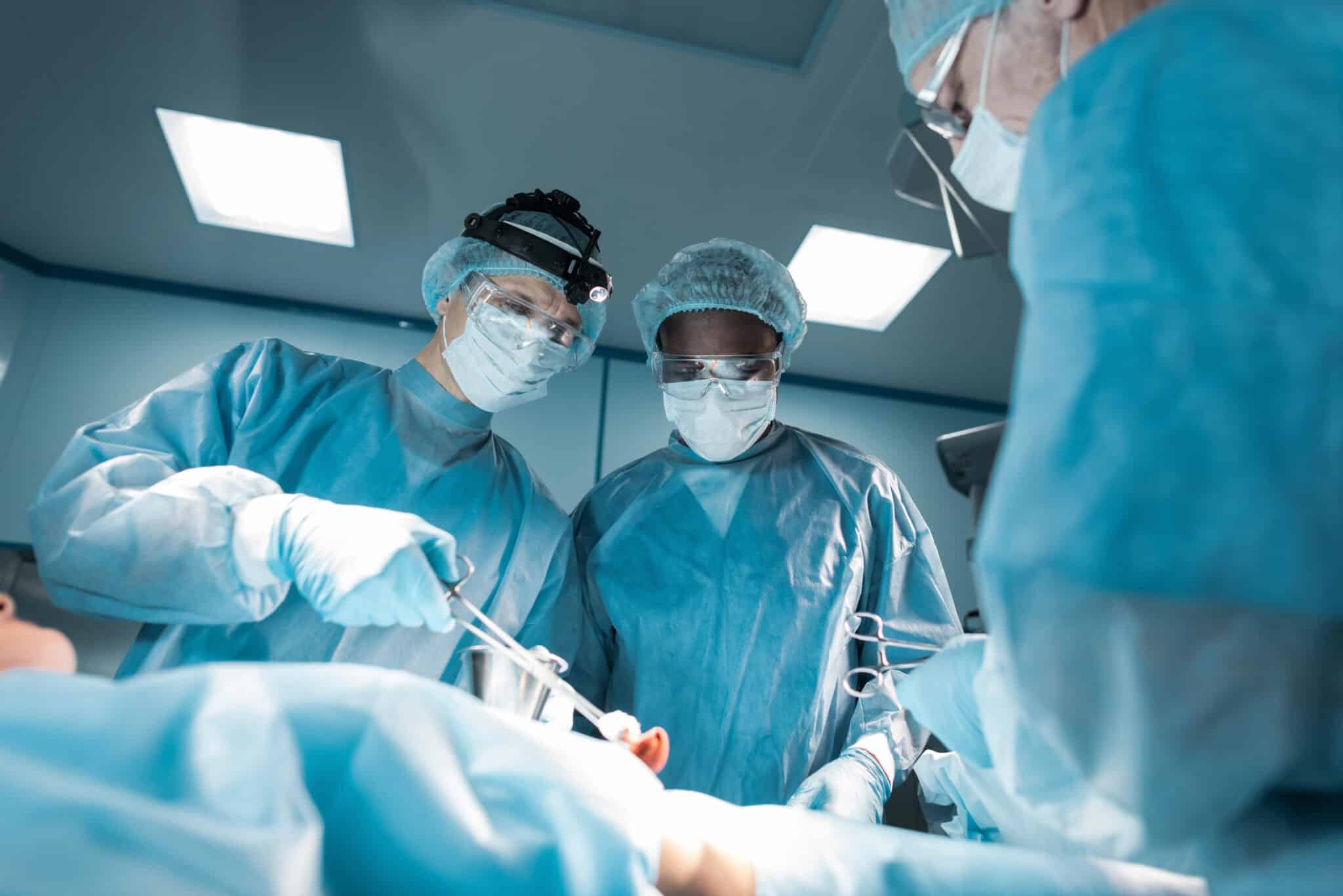
Solid organ transplant recipients face heightened risks of foodborne infections due to immunosuppressive therapies, which reduce the body’s ability to combat pathogens. Despite established guidelines, adherence to food-safety practices remains inconsistent, exposing this population to preventable illnesses with potentially severe outcomes.   

Immune Vulnerability and Risks  

Immunosuppressants, critical for preventing organ rejection, weaken defenses against bacteria, viruses, and parasites. Transplant recipients are 10–100 times more likely to develop severe complications from foodborne pathogens such as Salmonella, Listeria, and E. coli compared to the general population.  A 2020 study found that 17.9% of transplant recipients experienced microbiologically confirmed foodborne infections within five years post-transplant, with all cases linked to non-adherence to safety guidelines.   

High-Risk Foods and Contamination Pathways 

Common dietary hazards include raw or undercooked animal products (e.g., eggs, meat, seafood), unpasteurized dairy, unwashed produce, and deli meats. For example, raw oysters may harbor Vibrio vulnificus, which carries a 50% mortality rate in liver transplant patients.  Cross-contamination during food preparation, such as using the same cutting board for raw meat and vegetables, also poses significant risks.   

Prevention Strategies  

  • Cooking Temperatures – Poultry must reach 165°F, ground meats 160°F, and fish 145°F to ensure pathogen inactivation.  Reheated leftovers should reach 165°F.   
  • Hygiene Practices – Handwashing with soap for 20 seconds before handling food and using separate utensils for raw and cooked items reduces cross-contamination.   
  • Storage and Thawing – Refrigerators should maintain ≤40°F, and perishables must be stored within two hours of preparation. Thawing should occur in the refrigerator or microwave, not at room temperature.   
  • Avoiding Risky Foods – Unpasteurized juices, soft cheeses (e.g., brie), and raw sprouts are discouraged. Prepackaged deli meats are safer than freshly sliced varieties unless heated to 165°F.   

Adherence Challenges  

Despite awareness, only 17.7% of transplant recipients follow all food-safety recommendations. Compliance is higher among females and those within the first year post-transplant, but declines over time.  Misconceptions persist: 27% of patients in one study could not identify all high-risk foods in hypothetical scenarios.   

Public Health Implications  

Educational gaps underscore the need for targeted interventions. Guidelines from the CDC and USDA emphasize the “Clean, Separate, Cook, Chill” framework, yet transplant programs often lack standardized patient education.  Enhanced training for healthcare providers and patients, particularly beyond the initial post-transplant phase, could mitigate risks.   

Food safety is a critical yet under prioritized aspect of post-transplant care. Strengthening adherence to evidence-based practices and improving patient education are essential to reducing the burden of foodborne infections in this vulnerable population.

Share. Facebook Twitter Pinterest LinkedIn Tumblr Email
Avatar photo
Kit Redwine

Related Posts

Calmer Inside: Everyday Choices That Support an Anti-Inflammatory Life

January 8, 2026

What Is the Most Common Serotype of E. coli That Produces Shiga Toxin, and How Is It Spread?

January 7, 2026

What Are the Hidden Dangers in Freezing Food?

January 7, 2026

Turning a Personal Passion for Health Into Community Impact

December 30, 2025
Add A Comment
Leave A Reply Cancel Reply

Attorney Advertisement
Ron Simon

Subscribe to Updates

Get the latest food safety recall, outbreak, & investigation news.

Latest Posts

Peace by Chocolate Recalls Pistachio-Containing Chocolates Amid Salmonella Contamination Concern

January 10, 2026

Frozen Tater Tots Recalled in 26 States Due to Possible Plastic Contamination

January 10, 2026

Cheese Recall Escalated to Highest Risk Category as Listeria Contamination Spreads Across U.S. Markets

January 10, 2026

Food Poisoning News is a website devoted to providing you with the most current information on food safety, dangerous pathogens, food poisoning outbreaks and outbreak prevention, and food poisoning litigation.

We're social. Connect with us:

Facebook X (Twitter) YouTube
Latest Posts

Peace by Chocolate Recalls Pistachio-Containing Chocolates Amid Salmonella Contamination Concern

January 10, 2026

Frozen Tater Tots Recalled in 26 States Due to Possible Plastic Contamination

January 10, 2026

Cheese Recall Escalated to Highest Risk Category as Listeria Contamination Spreads Across U.S. Markets

January 10, 2026
Get Informed

Subscribe to Updates

Get the latest food safety recall, outbreak, & investigation news.

Facebook X (Twitter) YouTube
  • Home
© 2026 Food Poisoning News. Sponsored by Ron Simon & Associates a Houston, TX law firm. Powered by ArmaVita.
Our website and content are for informational purposes only. Food Poisoning News does not provide legal advice, medical advice, diagnosis, or treatment.

Type above and press Enter to search. Press Esc to cancel.