

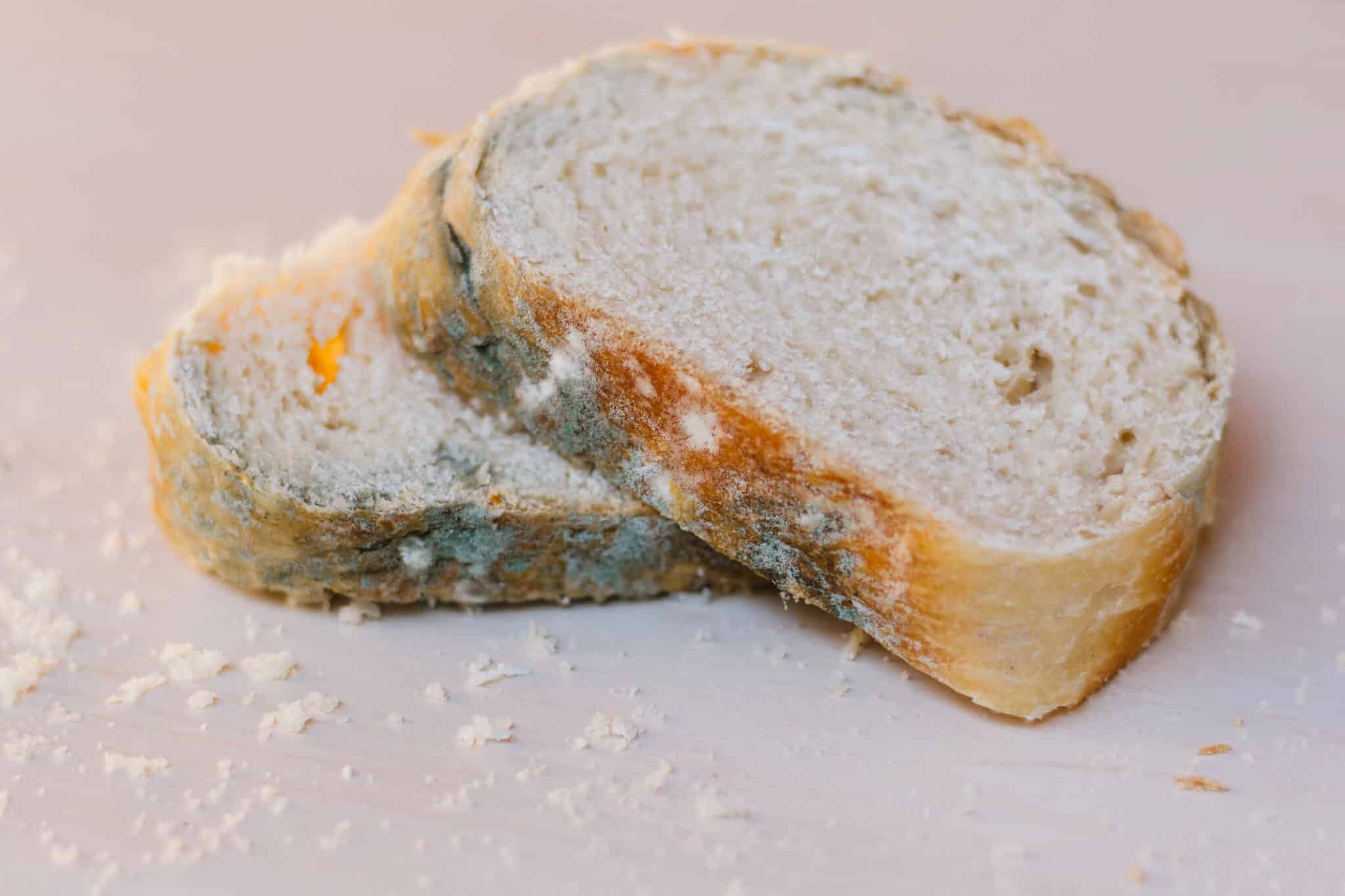

“Moldy foods may harbor harmful bacteria like Salmonella or Listeria . . . “
Molds are microscopic fungi that grow on plant or animal matter, appearing as fuzzy spots in colors such as green, white, or black. While molds play a role in decomposing organic material in nature, their presence on food raises health concerns due to potential toxin production and bacterial contamination.
Health Risks of Mold
Some molds produce mycotoxins, toxic compounds linked to acute and chronic health issues. Aflatoxins, a well-studied mycotoxin produced by Aspergillus species, are carcinogenic and associated with liver damage, immune suppression, and even death in high doses. Mycotoxins are heat-stable, meaning cooking does not neutralize them, and they often contaminate grains, nuts, and fruits like apples. Ingesting moldy food can also cause allergic reactions or respiratory issues, particularly in sensitive individuals. Additionally, moldy foods may harbor harmful bacteria like Salmonella or Listeria, which thrive in the same moist environments as molds.
Safe vs. Unsafe Handling
The safety of consuming moldy food depends on the type and moisture content of the item:
- Discard Immediately – Soft foods with high moisture, such as bread, yogurt, cooked meats, and soft fruits (e.g., strawberries, peaches), should be discarded. Mold roots penetrate deeply, and bacterial contamination is likely.
- Salvageable Foods – Hard cheeses (e.g., cheddar), firm vegetables (e.g., carrots, cabbage), and dry-cured meats (e.g., salami, country ham) can be safely consumed if at least 1 inch around the mold is cut away to avoid cross-contamination. Cheeses intentionally made with mold, like blue cheese or Brie, are safe unless contaminated by non-manufacturing molds.
Prevention and Mitigation
To minimize mold growth:
- Refrigeration – Store perishables at ≤40°F and consume leftovers within 3–4 days.
- Hygiene – Clean refrigerators regularly with baking soda or bleach solutions to eliminate spores, and use airtight containers for storage.
- Inspection – Avoid purchasing bruised produce or pre-packaged foods with visible mold, and check expiration dates.
Regulatory Oversight
The FDA monitors mycotoxin levels in foods, enforcing action limits for contaminants like aflatoxins in peanuts and corn. International bodies, such as the Codex Alimentarius Commission, establish safety standards to reduce global exposure. Despite regulations, mycotoxins remain a challenge in agriculture, with an estimated 25% of global crops affected annually.
Special Cases
- Canned Foods – Mold in canned goods indicates compromised processing or seals, posing risks of pH changes and botulism. These should be discarded.
- Fermented Foods – Surface mold on sauerkraut or pickles can be removed, but the product should be consumed quickly to prevent recurrence.
While certain molds are integral to food production (e.g., in cheeses), most mold-contaminated foods pose health risks. Adherence to storage guidelines, proper handling, and awareness of regulatory standards are critical to mitigating these dangers.
