
Close Menu
  • Food Poisoning
    • Symptoms
    • Prevention
    • Treatment
    • Causes
  • Pathogens
    • Botulism
    • Campylobacter
    • E. coli
    • Cyclospora
    • Norovirus
    • Hepatitis A
    • Salmonella
    • Listeria
    • Shigella
  • Food Safety
    • How to wash your hands
    • Food Safty And The Holidays
  • Legal
    • Can I sue for Food Poisoning?
    • E. coli Lawyer
      • E. coli Lawsuit
    • Salmonella Lawyer
      • Salmonella Lawsuit
    • Botulism Lawyer
    • Cyclospora Lawyer
    • Shigella Lawyer
    • Hepatitis A Lawyer
  • Outbreaks and Recalls
  • Connect With A Lawyer
What's Hot

Springtime Risks: Unmasking Foodborne Illnesses (Like Salmonella or E. coli) as Temperatures Rise

March 6, 2026

Designing a Kitchen That Supports Better Nutrition

March 4, 2026

How Foodborne Illness Targets the World’s Most Vulnerable Populations

March 4, 2026
Facebook X (Twitter) Instagram
Facebook X (Twitter) YouTube
  • About
  • Contact Us
Food Poisoning NewsFood Poisoning News
  • Home
  • Food Poisoning
    • What is Food Poisoning?
      • Symptoms
      • Causes
      • Prevention
      • Treatment
      • Statistics
    • Pathogens
      • Botulism
      • Campylobacter
      • E. coli
      • Hepatitis A
      • Shigella
      • Norovirus
      • Salmonella
      • Cyclospora
      • Listeria
  • Food Safety
    • How to wash your hands
    • Food Safty And The Holidays
  • Legal
    • Salmonella Lawyer
      • Salmonella Lawsuit
    • E. coli Lawyer
      • E. coli Lawsuit
    • Cyclospora Lawyer
    • Shigella Lawyer
    • Hepatitis A Lawyer
    • Botulism Lawyer
  • Outbreaks and Recalls
Food Poisoning NewsFood Poisoning News
Home»Helpful Articles»The Impact of Kitchen Design on Food Safety Practices
The Impact of Kitchen Design on Food Safety Practices
Helpful Articles

The Impact of Kitchen Design on Food Safety Practices

Kit RedwineBy Kit RedwineMay 15, 2025No Comments3 Mins Read
Share
Facebook Twitter LinkedIn Pinterest Email Reddit

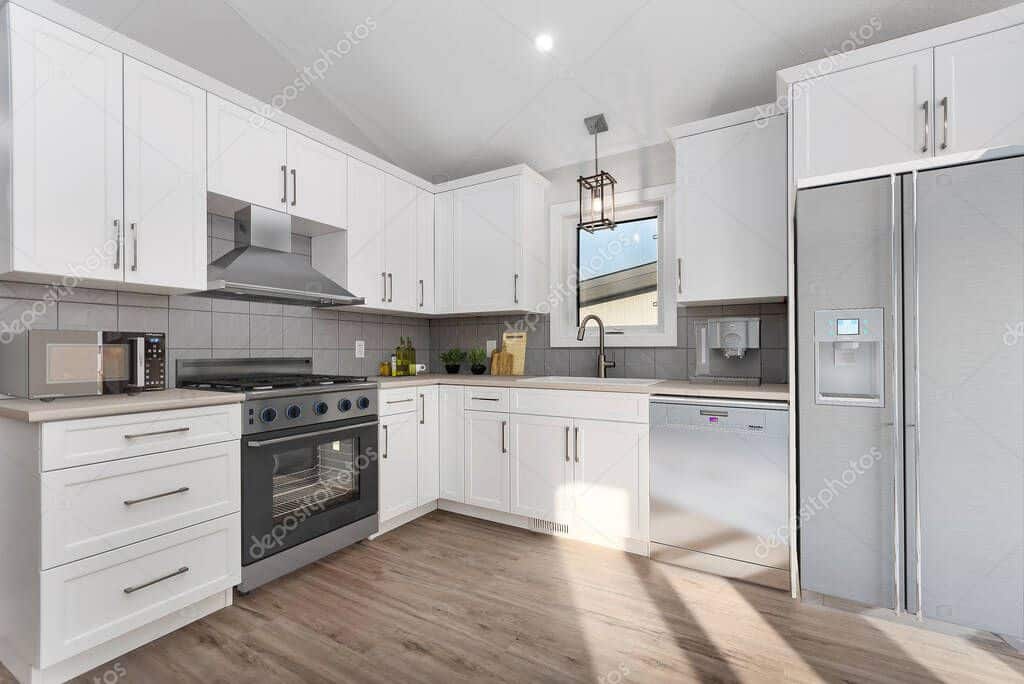
A well-designed kitchen is more than a hub for culinary creativity, it is a critical factor in safeguarding food safety. From commercial restaurants to home kitchens, layout, materials, and workflow directly influence hygiene standards, contamination risks, and compliance with food safety regulations.  

Workflow and Zoning  

Effective kitchen design prioritizes a logical workflow to minimize cross-contamination. The concept of distinct zones, storage, preparation, cooking, and cleaning, ensures raw ingredients, cooked foods, and waste follow separate paths. For example, positioning raw meat prep areas away from ready-to-eat food stations reduces pathogen transfer. The classic “work triangle” (connecting refrigerator, sink, and stove) streamlines movement while discouraging overcrowding, which can lead to spills or improper handling.  

Materials and Surfaces  

Non-porous, seamless countertops, such as stainless steel or quartz, resist bacterial growth and simplify sanitization. Cracks or seams in older surfaces can trap food particles, fostering harmful microbes. Similarly, slip-resistant flooring with sealed grout lines prevents moisture buildup, reducing slip hazards and microbial proliferation. Commercial kitchens often opt for NSF-certified equipment, designed with smooth edges and minimal crevices to deter dirt accumulation.  

Storage Solutions

Proper storage design mitigates temperature abuse and cross-contact. Walk-in refrigerators with clearly labeled, segregated shelving, raw meats stored below produce, prevent drips onto ready-to-eat items. Temperature-monitored storage ensures compliance with safety thresholds, while FIFO (first-in, first-out) systems, facilitated by visible labeling, reduce spoilage risks. Dedicated zones for allergen-free prep, using color-coded utensils, further enhance safety.  

Sanitation Infrastructure 

Strategic placement of handwashing stations near prep areas encourages frequent use. The FDA recommends separate sinks for handwashing, food prep, and dishwashing to avoid cross-use. Touchless faucets and soap dispensers minimize surface contact. Similarly, waste bins with foot pedals and tight-fitting lids, positioned away from food zones, curb pest attraction and contamination.  

Ventilation and Lighting  

High-quality ventilation systems extract excess heat, grease, and humidity, discouraging mold and bacterial growth. Regular maintenance of exhaust filters prevents grease buildup, a fire hazard and microbial reservoir. Adequate lighting is equally vital: bright task lighting over counters and stoves helps staff spot spills, contaminants, or undercooked food, while motion-activated fixtures reduce contact with switches.  

Maintenance and Adaptability  

A kitchen’s design must accommodate easy cleaning and upkeep. Removable equipment components, such as dishwasher racks or oven panels, facilitate thorough sanitation. Drainage systems with gentle slopes prevent standing water. Additionally, adaptable layouts allow for updates as safety standards evolve, ensuring long-term compliance.  

In conclusion, kitchen design is a foundational element of food safety. By integrating science-backed layouts, durable materials, and intuitive workflows, spaces can inherently promote hygienic practices, reducing risks and enhancing operational efficiency. Regular staff training remains essential, but a thoughtfully designed kitchen sets the stage for safer food handling from the start.

Share. Facebook Twitter Pinterest LinkedIn Tumblr Email
Avatar photo
Kit Redwine

Related Posts

Designing a Kitchen That Supports Better Nutrition

March 4, 2026

Foodborne Botulism from Improperly Home-Canned Foods: Mechanisms, Risks, and Public Health Challenges

February 26, 2026

The Chronic Side of Food Poisoning: When the Illness Doesn’t End After 24 Hours

February 17, 2026

Common Mistakes That Delay Outbreak Detection

January 30, 2026
Add A Comment
Leave A Reply Cancel Reply

Attorney Advertisement
Ron Simon

Subscribe to Updates

Get the latest food safety recall, outbreak, & investigation news.

Latest Posts

Springtime Risks: Unmasking Foodborne Illnesses (Like Salmonella or E. coli) as Temperatures Rise

March 6, 2026

Designing a Kitchen That Supports Better Nutrition

March 4, 2026

How Foodborne Illness Targets the World’s Most Vulnerable Populations

March 4, 2026

Food Poisoning News is a website devoted to providing you with the most current information on food safety, dangerous pathogens, food poisoning outbreaks and outbreak prevention, and food poisoning litigation.

We're social. Connect with us:

Facebook X (Twitter) YouTube
Latest Posts

Springtime Risks: Unmasking Foodborne Illnesses (Like Salmonella or E. coli) as Temperatures Rise

March 6, 2026

Designing a Kitchen That Supports Better Nutrition

March 4, 2026

How Foodborne Illness Targets the World’s Most Vulnerable Populations

March 4, 2026
Get Informed

Subscribe to Updates

Get the latest food safety recall, outbreak, & investigation news.

Facebook X (Twitter) YouTube
  • Home
© 2026 Food Poisoning News. Sponsored by Ron Simon & Associates a Houston, TX law firm. Powered by ArmaVita.
Our website and content are for informational purposes only. Food Poisoning News does not provide legal advice, medical advice, diagnosis, or treatment.

Type above and press Enter to search. Press Esc to cancel.