
Close Menu
  • Food Poisoning
    • Symptoms
    • Prevention
    • Treatment
    • Causes
  • Pathogens
    • Botulism
    • Campylobacter
    • E. coli
    • Cyclospora
    • Norovirus
    • Hepatitis A
    • Salmonella
    • Listeria
    • Shigella
  • Food Safety
    • How to wash your hands
    • Food Safty And The Holidays
  • Legal
    • Can I sue for Food Poisoning?
    • E. coli Lawyer
      • E. coli Lawsuit
    • Salmonella Lawyer
      • Salmonella Lawsuit
    • Botulism Lawyer
    • Cyclospora Lawyer
    • Shigella Lawyer
    • Hepatitis A Lawyer
  • Outbreaks and Recalls
  • Connect With A Lawyer
What's Hot

Designing a Kitchen That Supports Better Nutrition

March 4, 2026

How Foodborne Illness Targets the World’s Most Vulnerable Populations

March 4, 2026

Why Ron Simon is Considered by Many to be the Best E. coli and Salmonella Lawyer in the Nation

March 2, 2026
Facebook X (Twitter) Instagram
Facebook X (Twitter) YouTube
  • About
  • Contact Us
Food Poisoning NewsFood Poisoning News
  • Home
  • Food Poisoning
    • What is Food Poisoning?
      • Symptoms
      • Causes
      • Prevention
      • Treatment
      • Statistics
    • Pathogens
      • Botulism
      • Campylobacter
      • E. coli
      • Hepatitis A
      • Shigella
      • Norovirus
      • Salmonella
      • Cyclospora
      • Listeria
  • Food Safety
    • How to wash your hands
    • Food Safty And The Holidays
  • Legal
    • Salmonella Lawyer
      • Salmonella Lawsuit
    • E. coli Lawyer
      • E. coli Lawsuit
    • Cyclospora Lawyer
    • Shigella Lawyer
    • Hepatitis A Lawyer
    • Botulism Lawyer
  • Outbreaks and Recalls
Food Poisoning NewsFood Poisoning News
Home»Opinion & Contributed Articles»Decoding Food Safety Alerts vs. Outbreak Investigation Notices
Decoding Food Safety Alerts vs. Outbreak Investigation Notices
Opinion & Contributed Articles

Decoding Food Safety Alerts vs. Outbreak Investigation Notices

Kit RedwineBy Kit RedwineMay 30, 2025No Comments3 Mins Read
Share
Facebook Twitter LinkedIn Pinterest Email Reddit

During foodborne outbreaks, the U.S. Food & Drug Administration (FDA) and Centers for Disease Control and Prevention (CDC) uses distinct communication tools to inform the public: food safety alerts and outbreak investigation notices. These serve different purposes based on the level of evidence and public health risk, guiding consumers on protective actions.   

Food Safety Alerts: Specific, Actionable Warnings  

Food safety alerts are issued when investigators have clear and convincing evidence linking illnesses to a specific contaminated food product available in stores or homes. These alerts:  

  • Name the brand, product, lot numbers, or “best by” dates of the contaminated food.   
  • Provide urgent instructions to consumers (e.g., “Do not eat recalled Product X”) and retailers (e.g., “Stop selling and discard Product Y”).   
  • Often coincide with product recalls, such as the February 2025 alert for Listeria-contaminated supplement shakes from Prairie Farms, which included product names and distribution details. Alerts are reserved for high-specificity, high-concern scenarios where immediate action can prevent illnesses.   

Outbreak Investigation Notices: Early-Stage Advisories  

Investigation notices signal an ongoing outbreak before a specific food source is confirmed. These:  

  • Disclose the pathogen (e.g., Salmonella) and illness case counts but often lack product details.   
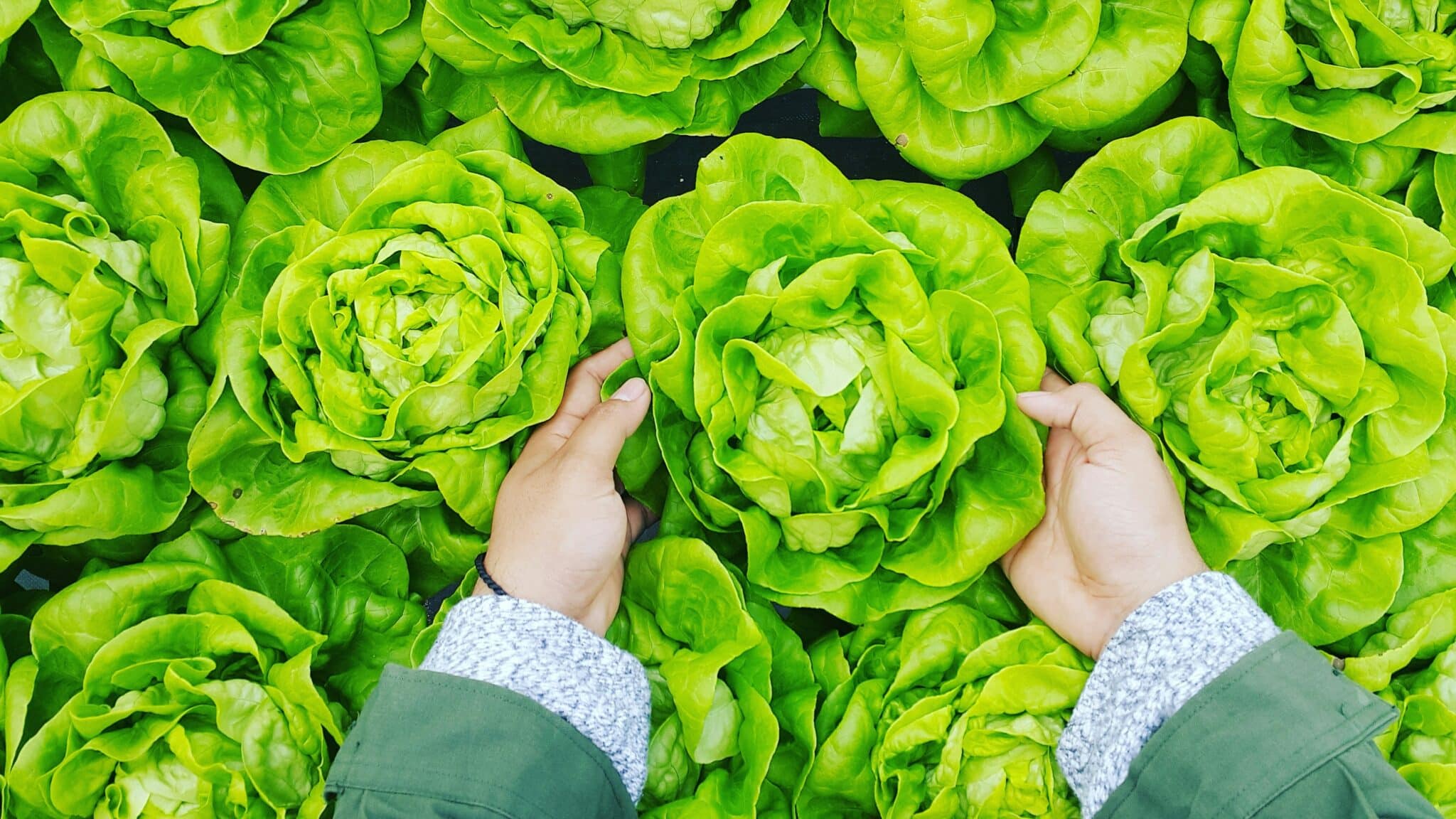
  • Describe general food categories under scrutiny (e.g., “FDA investigates E. coli infections linked to romaine lettuce”) without naming brands.   
  • Advise high-risk groups (pregnant people, immunocompromised individuals) about general precautions but omit specific avoidance steps.   

For example, a December 2024 E. coli O157:H7 investigation notice described illnesses linked to romaine lettuce but withheld the grower’s name pending confirmation.   

The Decision Framework  

The CDC uses a risk-based matrix to choose between these tools, evaluating:  

  1. Public health concern level: Based on outbreak size, severity, and ongoing exposure risk.   
  2. Specificity of evidence: Ranging from unidentified sources (low) to genetically matched pathogens in a named product (high).   

Alerts require both high concern and high specificity, while outbreak investigation notices address high concern with medium/low specificity or low concern with high specificity.   

Why Transparency Timing Matters  

Naming implicated businesses prematurely can cause unnecessary economic harm or public confusion if links are unverified.  Conversely, withholding details after confirmation, as occurred in a 2024 E. coli outbreak tied to a romaine lettuce processor, limits accountability and consumer recourse.  The CDC prioritizes accuracy to ensure messages are both actionable and scientifically defensible.   

Understanding these distinctions helps consumers interpret risk levels and respond appropriately, whether discarding a named product or practicing heightened hygiene during open investigations.

Share. Facebook Twitter Pinterest LinkedIn Tumblr Email
Avatar photo
Kit Redwine

Related Posts

Why Ron Simon is Considered by Many to be the Best E. coli and Salmonella Lawyer in the Nation

March 2, 2026

The “Silicon Scent” of Safety: AI and the Future of Predictive Outbreak Prevention

February 26, 2026

From Chapter Dinners to 2 A.M. Snacks: How Greek Life Habits Quietly Raise Food Poisoning Risk

February 17, 2026

18 Interesting Facts About Salmonella Food Poisoning

January 30, 2026
Add A Comment
Leave A Reply Cancel Reply

Attorney Advertisement
Ron Simon

Subscribe to Updates

Get the latest food safety recall, outbreak, & investigation news.

Latest Posts

Designing a Kitchen That Supports Better Nutrition

March 4, 2026

How Foodborne Illness Targets the World’s Most Vulnerable Populations

March 4, 2026

Why Ron Simon is Considered by Many to be the Best E. coli and Salmonella Lawyer in the Nation

March 2, 2026

Food Poisoning News is a website devoted to providing you with the most current information on food safety, dangerous pathogens, food poisoning outbreaks and outbreak prevention, and food poisoning litigation.

We're social. Connect with us:

Facebook X (Twitter) YouTube
Latest Posts

Designing a Kitchen That Supports Better Nutrition

March 4, 2026

How Foodborne Illness Targets the World’s Most Vulnerable Populations

March 4, 2026

Why Ron Simon is Considered by Many to be the Best E. coli and Salmonella Lawyer in the Nation

March 2, 2026
Get Informed

Subscribe to Updates

Get the latest food safety recall, outbreak, & investigation news.

Facebook X (Twitter) YouTube
  • Home
© 2026 Food Poisoning News. Sponsored by Ron Simon & Associates a Houston, TX law firm. Powered by ArmaVita.
Our website and content are for informational purposes only. Food Poisoning News does not provide legal advice, medical advice, diagnosis, or treatment.

Type above and press Enter to search. Press Esc to cancel.