
Close Menu
  • Food Poisoning
    • Symptoms
    • Prevention
    • Treatment
    • Causes
  • Pathogens
    • Botulism
    • Campylobacter
    • E. coli
    • Cyclospora
    • Norovirus
    • Hepatitis A
    • Salmonella
    • Listeria
    • Shigella
  • Food Safety
    • How to wash your hands
    • Food Safty And The Holidays
  • Legal
    • Can I sue for Food Poisoning?
    • E. coli Lawyer
      • E. coli Lawsuit
    • Salmonella Lawyer
      • Salmonella Lawsuit
    • Botulism Lawyer
    • Cyclospora Lawyer
    • Shigella Lawyer
    • Hepatitis A Lawyer
  • Outbreaks and Recalls
  • Connect With A Lawyer
What's Hot

Peace by Chocolate Recalls Pistachio-Containing Chocolates Amid Salmonella Contamination Concern

January 10, 2026

Frozen Tater Tots Recalled in 26 States Due to Possible Plastic Contamination

January 10, 2026

Cheese Recall Escalated to Highest Risk Category as Listeria Contamination Spreads Across U.S. Markets

January 10, 2026
Facebook X (Twitter) Instagram
Facebook X (Twitter) YouTube
  • About
  • Contact Us
Food Poisoning NewsFood Poisoning News
  • Home
  • Food Poisoning
    • What is Food Poisoning?
      • Symptoms
      • Causes
      • Prevention
      • Treatment
      • Statistics
    • Pathogens
      • Botulism
      • Campylobacter
      • E. coli
      • Hepatitis A
      • Shigella
      • Norovirus
      • Salmonella
      • Cyclospora
      • Listeria
  • Food Safety
    • How to wash your hands
    • Food Safty And The Holidays
  • Legal
    • Salmonella Lawyer
      • Salmonella Lawsuit
    • E. coli Lawyer
      • E. coli Lawsuit
    • Cyclospora Lawyer
    • Shigella Lawyer
    • Hepatitis A Lawyer
    • Botulism Lawyer
  • Outbreaks and Recalls
Food Poisoning NewsFood Poisoning News
Home»Food Recalls»FDA Upgrades Tomato Recall to Most Dangerous Classification; Why Tomatoes are Vulnerable to Salmonella Contamination
FDA Upgrades Tomato Recall to Most Dangerous Classification; Why Tomatoes are Vulnerable to Salmonella Contamination
Food Recalls

FDA Upgrades Tomato Recall to Most Dangerous Classification; Why Tomatoes are Vulnerable to Salmonella Contamination

Kit RedwineBy Kit RedwineJune 3, 2025No Comments3 Mins Read
Share
Facebook Twitter LinkedIn Pinterest Email Reddit

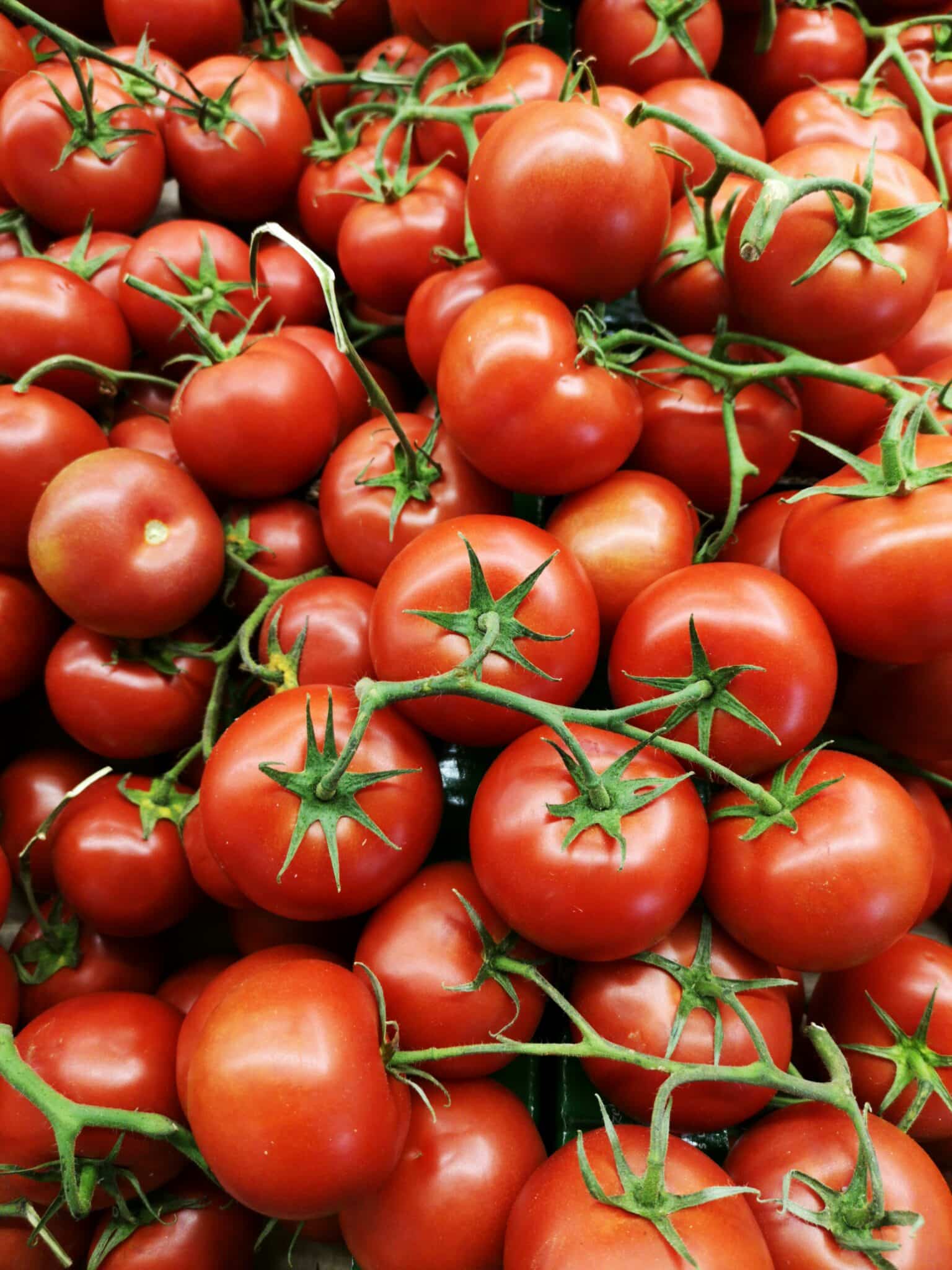
Early last month, the U.S. Food & Drug Administration (FDA) announced a recall of tomatoes distributed to Georgia, North Carolina, and South Carolina due to potential contamination with Salmonella, a dangerous pathogen that can cause serious illness, and sometimes, death in certain members of the population.

On Wednesday, May 28, this recall was upgraded by the FDA to its highest ranking, Class I, meaning that “there is a reasonable probability that the use of, or exposure to a violative product will cause serious adverse health consequences or death.”

Tomatoes rank among the most common produce items linked to Salmonella outbreaks in the United States, with contamination risks arising from both biological characteristics and agricultural practices. Research indicates several factors contribute to this susceptibility.  

Biological Entry Points  

The tomato’s surface structure facilitates pathogen attachment. Microscopic cracks, bruises, or the porous stem scar tissue provide entry routes for Salmonella.  Once internalized, bacteria can migrate into the fruit pulp. Studies show Salmonella survives more effectively on tomato surfaces (82% of contaminated samples) and stem scars (73%) than in pulp (55%).  Even minor damage during harvesting or packing can exacerbate this risk.  

Favorable Internal Environment  

Contrary to assumptions that acidic fruits inhibit pathogens, tomatoes permit Salmonella growth under certain conditions. Research demonstrates that Salmonella proliferates in water-congested tissues of green tomatoes and thrives particularly well in red ripe tomatoes, which may offer more nutrients or moisture.  Strains like Montevideo persist for up to 49 days post-inoculation, surviving from flowering through fruit development.   

Agricultural and Handling Factors  

Pre-harvest irrigation practices indirectly influence susceptibility. While irrigation levels themselves showed no direct correlation, tomatoes grown in sunny, dry seasons exhibited higher post-harvest pathogen proliferation.  Contamination can originate from multiple sources:  

  • Water: Irrigation with contaminated water introduces bacteria.   
  • Field Conditions: Pathogens from soil, manure, or wildlife can transfer during harvesting.   
  • Post-harvest Handling: Cutting, washing, or packing may spread bacteria, especially if equipment or surfaces are contaminated.  UV irradiation, a common post-harvest treatment, was found to promote Salmonella growth in some cases.   

Challenges in Decontamination 

Washing tomatoes removes only surface bacteria, failing to eliminate pathogens in stem scars or internal tissues.  Chlorine treatments show limited efficacy against internalized Salmonella , leaving consumers reliant on thorough cooking, a solution impractical for raw consumption.  

Recent recalls highlight these ongoing vulnerabilities despite industry safeguards.  These biological and operational factors converge, positioning tomatoes as recurrent vehicles for foodborne illness.

Share. Facebook Twitter Pinterest LinkedIn Tumblr Email
Avatar photo
Kit Redwine

Related Posts

Cheese Recall Escalated to Highest Risk Category as Listeria Contamination Spreads Across U.S. Markets

January 10, 2026

Tamales Recalled Due to Potential Listeria Contamination

January 8, 2026

What is the Normal Lifecycle, Onset, Duration, and Recovery from Cyclospora?

January 7, 2026

Winter Food Recalls: Patterns, Drivers, and What They Mean for Consumers

January 2, 2026
Add A Comment
Leave A Reply Cancel Reply

Attorney Advertisement
Ron Simon

Subscribe to Updates

Get the latest food safety recall, outbreak, & investigation news.

Latest Posts

Peace by Chocolate Recalls Pistachio-Containing Chocolates Amid Salmonella Contamination Concern

January 10, 2026

Frozen Tater Tots Recalled in 26 States Due to Possible Plastic Contamination

January 10, 2026

Cheese Recall Escalated to Highest Risk Category as Listeria Contamination Spreads Across U.S. Markets

January 10, 2026

Food Poisoning News is a website devoted to providing you with the most current information on food safety, dangerous pathogens, food poisoning outbreaks and outbreak prevention, and food poisoning litigation.

We're social. Connect with us:

Facebook X (Twitter) YouTube
Latest Posts

Peace by Chocolate Recalls Pistachio-Containing Chocolates Amid Salmonella Contamination Concern

January 10, 2026

Frozen Tater Tots Recalled in 26 States Due to Possible Plastic Contamination

January 10, 2026

Cheese Recall Escalated to Highest Risk Category as Listeria Contamination Spreads Across U.S. Markets

January 10, 2026
Get Informed

Subscribe to Updates

Get the latest food safety recall, outbreak, & investigation news.

Facebook X (Twitter) YouTube
  • Home
© 2026 Food Poisoning News. Sponsored by Ron Simon & Associates a Houston, TX law firm. Powered by ArmaVita.
Our website and content are for informational purposes only. Food Poisoning News does not provide legal advice, medical advice, diagnosis, or treatment.

Type above and press Enter to search. Press Esc to cancel.