

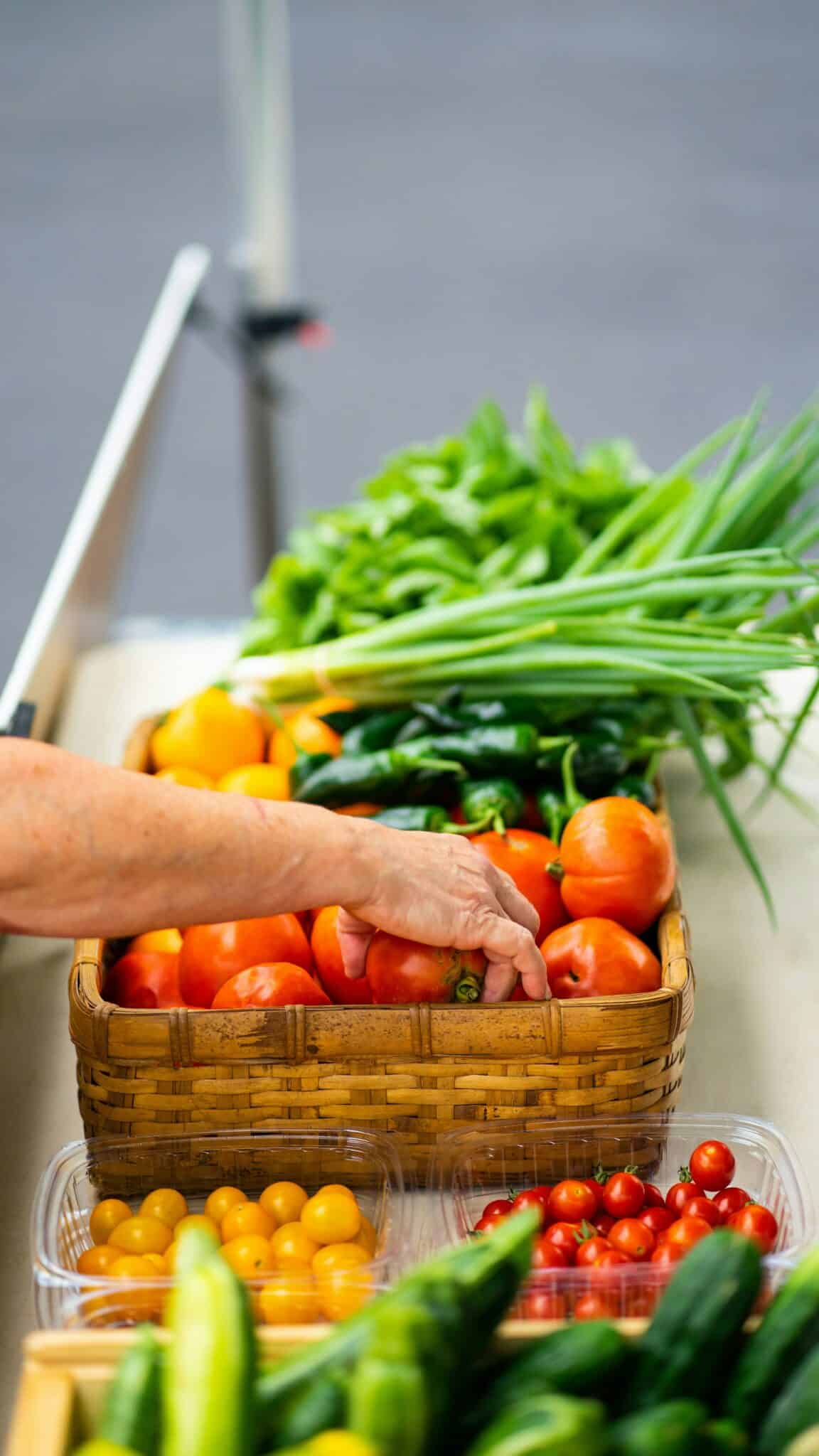

The Farm to Fork Strategy (F2F), adopted by the European Commission in May 2020, serves as a cornerstone of the European Green Deal. It aims to redesign the EU’s food system to make it “fair, healthy, and environmentally-friendly.” The strategy addresses critical challenges: food systems contribute nearly one-third of global greenhouse gas emissions, drive biodiversity loss, and impact public health through malnutrition and diet-related diseases.
Core Objectives and Targets
The strategy outlines 27 actions to transform food production, processing, distribution, and consumption by 2030, including:
- A 50% reduction in pesticide use and risk
- At least a 20% cut in fertilizer use (including animal manure)
- A 50% decrease in antimicrobial sales for farmed animals and aquaculture
- Expansion of organic farming to 25% of EU agricultural land (up from 8%)
- Introduction of a mandatory EU-wide front-of-pack nutrition labeling scheme.
Table: Key 2030 Targets of the Farm to Fork Strategy
| Policy Area | Target | Baseline (2020) |
| Pesticide Use | 50% reduction in use/risk | Not specified |
| Fertilizer Application | 20% reduction | Not specified |
| Organic Farming | 25% of agricultural land | 8% |
| Antimicrobials | 50% reduction for livestock/aquaculture | Not specified |
Implementation Progress and Challenges
While some initiatives have advanced, such as new rules for plant protection products (2022) and food waste reduction targets (2023), others face delays or setbacks. The Sustainable Food Systems Framework, intended as flagship legislation, missed its 2023 deadline and remains unpublished. The Sustainable Use of Pesticides Regulation was withdrawn in February 2024 after parliamentary rejection and industry opposition. Animal welfare revisions and sustainability labeling frameworks are also pending.
Global and Economic Implications
The strategy extends beyond EU borders. Regulations like the EU Deforestation Regulation (EUDR), effective December 2025, require proof that imported commodities (cocoa, coffee, soy) are “deforestation-free”. However, studies suggest the F2F could reduce EU agricultural output, increase import dependence, and raise consumer prices, potentially straining food security in global markets. The war in Ukraine further intensified debates balancing sustainability with affordability.
Governance and Business Accountability
New directives aim to enhance corporate transparency:
- The Corporate Sustainability Due Diligence Directive (CS3D) mandates supply chain human rights and environmental checks for large companies by 2027.
- The Corporate Sustainability Reporting Directive (CSRD) requires detailed sustainability disclosures from 2025.
The Path Ahead
A “strategic dialogue” launched in 2024 seeks to reconcile farmer livelihoods with climate goals. The EU continues refining tools like carbon farming certification and genomic techniques. While criticized for initial gaps in impact assessments, the F2F represents an unprecedented effort to align food systems with planetary health, a test case for sustainable transitions worldwide.
