

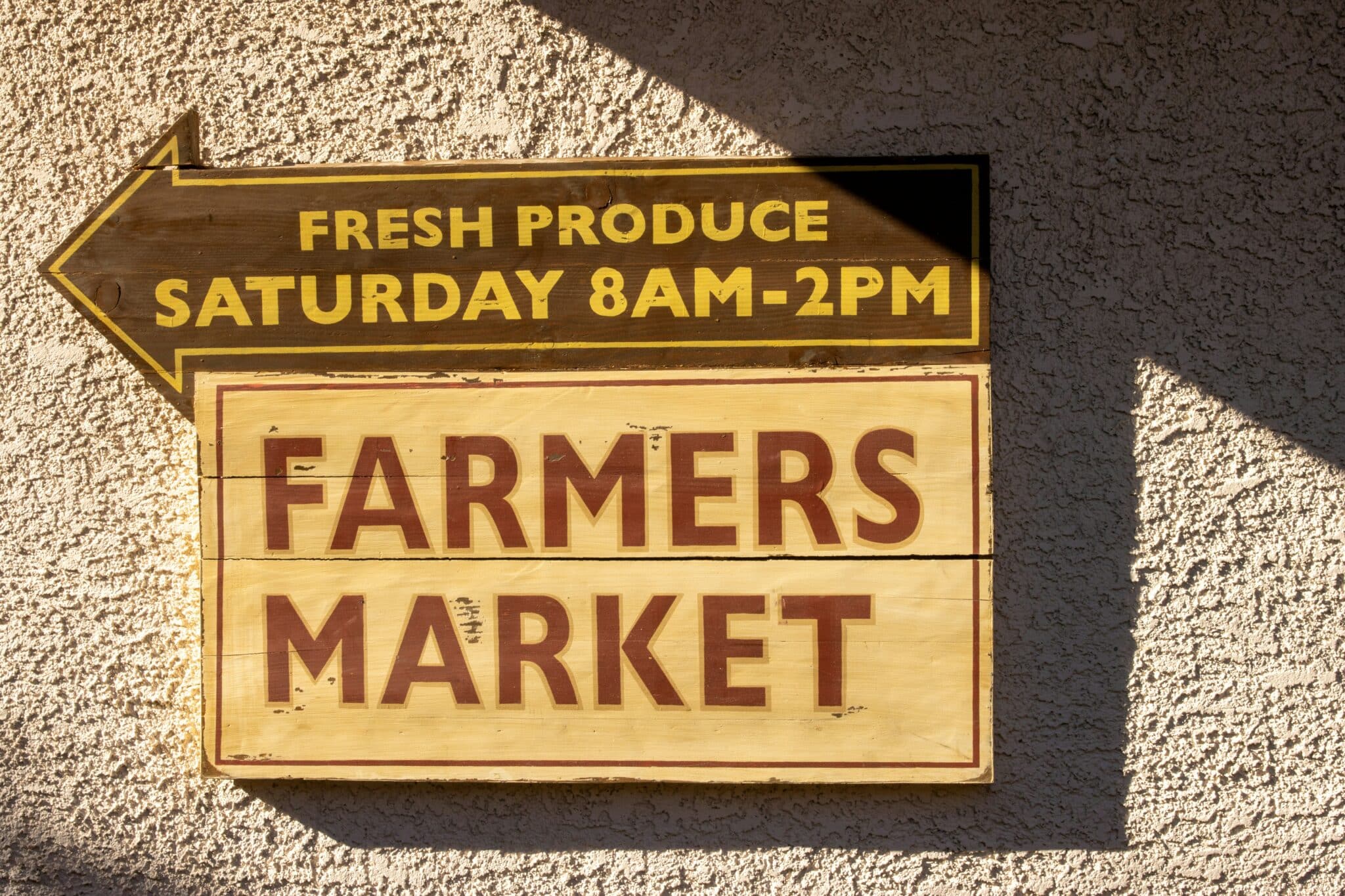

Farmers’ markets offer vibrant connections to local food systems, but informed consumers recognize that freshness alone doesn’t guarantee safety. Direct dialogue with vendors is essential to uncover critical handling practices that aren’t visible at the stall. Asking targeted questions helps mitigate risks like bacterial contamination, allergen exposure, and improper temperature control.
Cross-Contamination Protocols
According to one prominent food poisoning lawyer, Tony Coveny Ph.D., ask: “How do you separate raw meats, poultry, or seafood from ready-to-eat items like produce or baked goods?”
Vendors should be able to describe dedicated cutting boards, utensils, and display areas for raw proteins. Color-coded tools or physically segregated stalls prevent pathogens like Salmonella and E. coli from transferring to uncooked items. Without these controls, bacteria from meat juices can contaminate fresh berries or bread. If they fumble the question or seem clueless, says Coveny, maybe move on.
Temperature Management
Ask: “How do you monitor storage and cooking temperatures for perishable goods?”
Per USDA guidelines, vendors selling cooked meats (e.g., smoked sausages) must maintain hot foods above 140°F (60°C), while perishables like cheese or raw meats should be held below 40°F (4°C). Confirm they use food thermometers and refrigerated transport, not just coolers with melting ice. Foods left in the “danger zone” (40°F–140°F) for over 2 hours risk rapid bacterial growth.
Allergen Control Measures
Ask: “What steps do you take to prevent cross-contact with major allergens?”
Vendors handling nuts, dairy, gluten, or soy must use dedicated equipment and storage. For example, a baker making gluten-free bread should use separate mixers and pans. Sampling stations require strict utensil management: spoons used for nut-containing products shouldn’t touch allergen-free items.
Handling of Pre-Prepared Foods
Ask: “For marinated or pre-cut items, how do you ensure safety?”
Marinades used on raw meats must never be reused as sauces unless boiled first to kill pathogens. Vendors selling pre-sliced melons or salad mixes should confirm they wash produce before cutting and store it on ice. Unrefrigerated cut produce can harbor Listeria within 4 hours.
Product Sourcing and Training
Ask: “Are you trained in food safety, and can you trace ingredients to their source?”
Vendors educated through programs like ServSafe or local health department courses are more likely to follow best practices. Traceability matters for recalls: a jam maker should know if their berries came from a farm using contaminated irrigation water.
On-Site Hygiene Practices
Observe: Do vendors wear gloves when handling foods? Is there visible access to handwashing stations or hand sanitizer? Glove use reduces transmission of norovirus and other pathogens. Check if samples are covered with sneeze guards and served with single-use utensils.
Regulatory Compliance
Ask: “Are you licensed or inspected by the local health department?”
Permitted vendors undergo facility inspections and label products accurately (e.g., listing ingredients for allergens). Home-based vendors may operate under “cottage food laws,” which often exclude high-risk items like fresh dairy or meats.
The Bigger Picture
While farmers’ markets foster community trust, proactive engagement remains crucial. Vendors prioritizing safety willingly share their protocols, transparency is a positive indicator. Pairing questions with visual checks (e.g., condensation in coolers suggests proper refrigeration) empowers shoppers to enjoy local flavors with confidence.
