

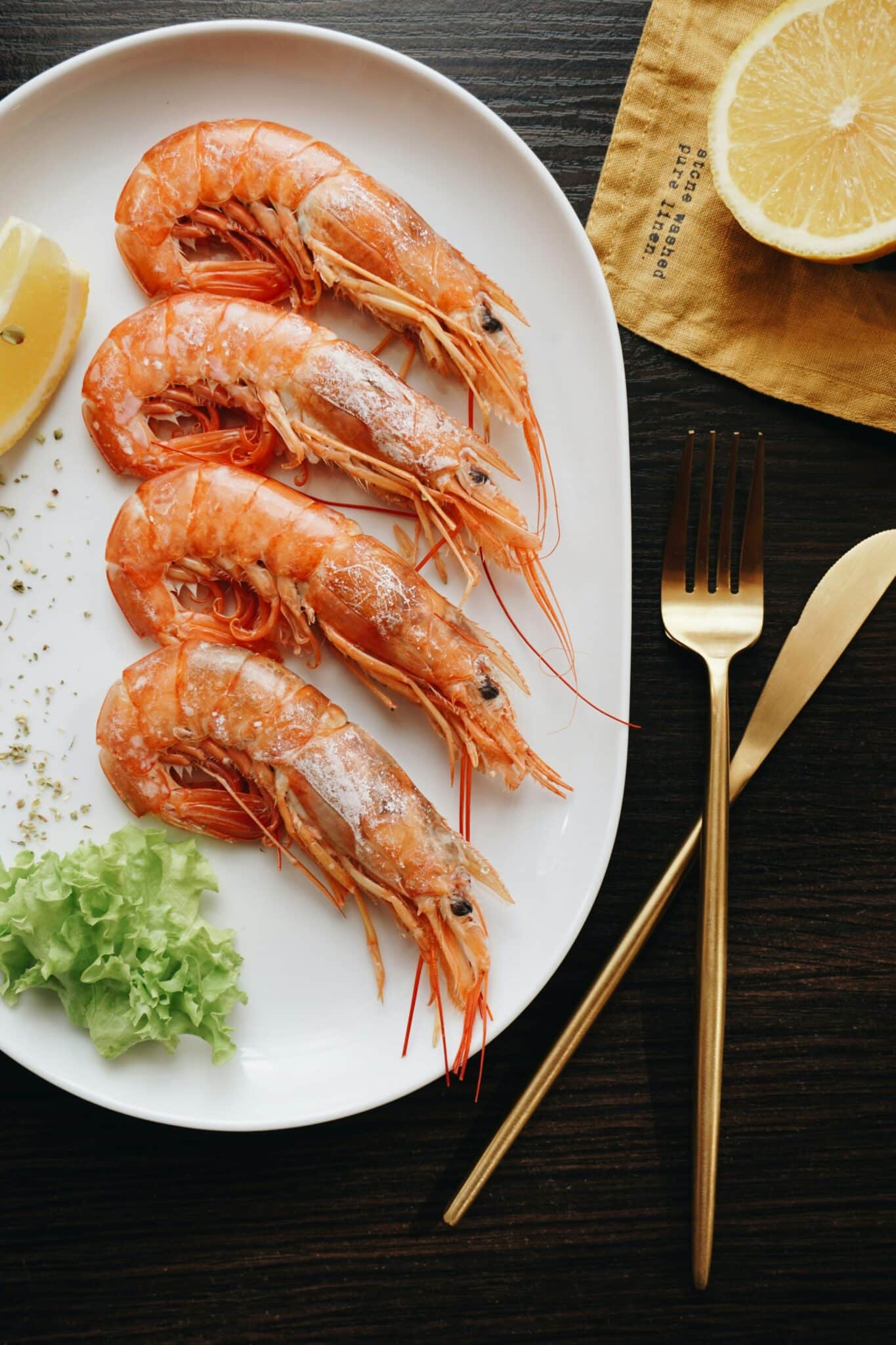

The drive to develop cultivated seafood, grown from animal cells in bioreactors rather than harvested from oceans or farms, stems from urgent global challenges: over 90% of global fish stocks are depleted or overexploited, and conventional aquaculture faces pollution, antibiotic use, and microplastic contamination. Proponents highlight significant food safety advantages, but scaling this technology requires confronting unique biological and chemical hazards.
Promises of Enhanced Safety
Cultivated seafood is produced in controlled, sterile environments akin to pharmaceutical clean rooms, drastically reducing exposure to ocean-borne pollutants. Independent analyses confirm these products lack detectable microplastics, heavy metals (like mercury), and parasites commonly found in wild-caught or farmed fish. As Seren Kell of the Good Food Institute Europe notes, this method could mitigate risks of bycatch and oceanic toxins while helping rebuild fish stocks. Additionally, the process eliminates antibiotics routinely used in aquaculture to combat disease in crowded fish farms, a key contributor to antimicrobial resistance.
Persistent Pitfalls
Despite sterility advantages, production introduces novel hazards. The growth medium, which nourishes fish cells, often contains expensive components like fetal bovine serum (raising ethical concerns) or plant-based alternatives. Residual medium components, including growth factors, could persist in the final product, necessitating rigorous screening. Mycoplasma contamination and endotoxins during cell proliferation also pose risks, requiring advanced bioreactor monitoring and filtration. Scaffolding materials, plant-based polymers that shape cells into fillets, may introduce new allergens, such as soy or wheat proteins, absent in conventional seafood.
Regulatory and Scaling Challenges
Regulatory frameworks are evolving unevenly. Singapore approved the first cultivated meat (including seafood) in 2020, while the U.S. established a joint FDA-USDA oversight system focusing on cell collection, growth media safety, and final product labeling. However, bans in U.S. states like Florida and Alabama reflect political pushback. Harmonizing global standards is critical, especially as companies like Bluu Seafood (Germany) and BlueNalu (U.S.) pilot commercial facilities. Cost remains another hurdle: scaling production to lower prices depends on reducing growth medium expenses, which still dominate manufacturing costs.
Path Forward
Industry collaborations aim to address safety gaps. Research initiatives focus on serum-free media, non-animal scaffolds, and bioreactor designs that minimize contamination risks. Life-cycle assessments and third-party food safety plans, adapted from biopharma and conventional seafood HACCP, are being developed to standardize hazard controls. As pilot plants expand, validating these protocols will determine whether cultivated seafood can transition from premium novelty to mainstream staple, without compromising safety.
