

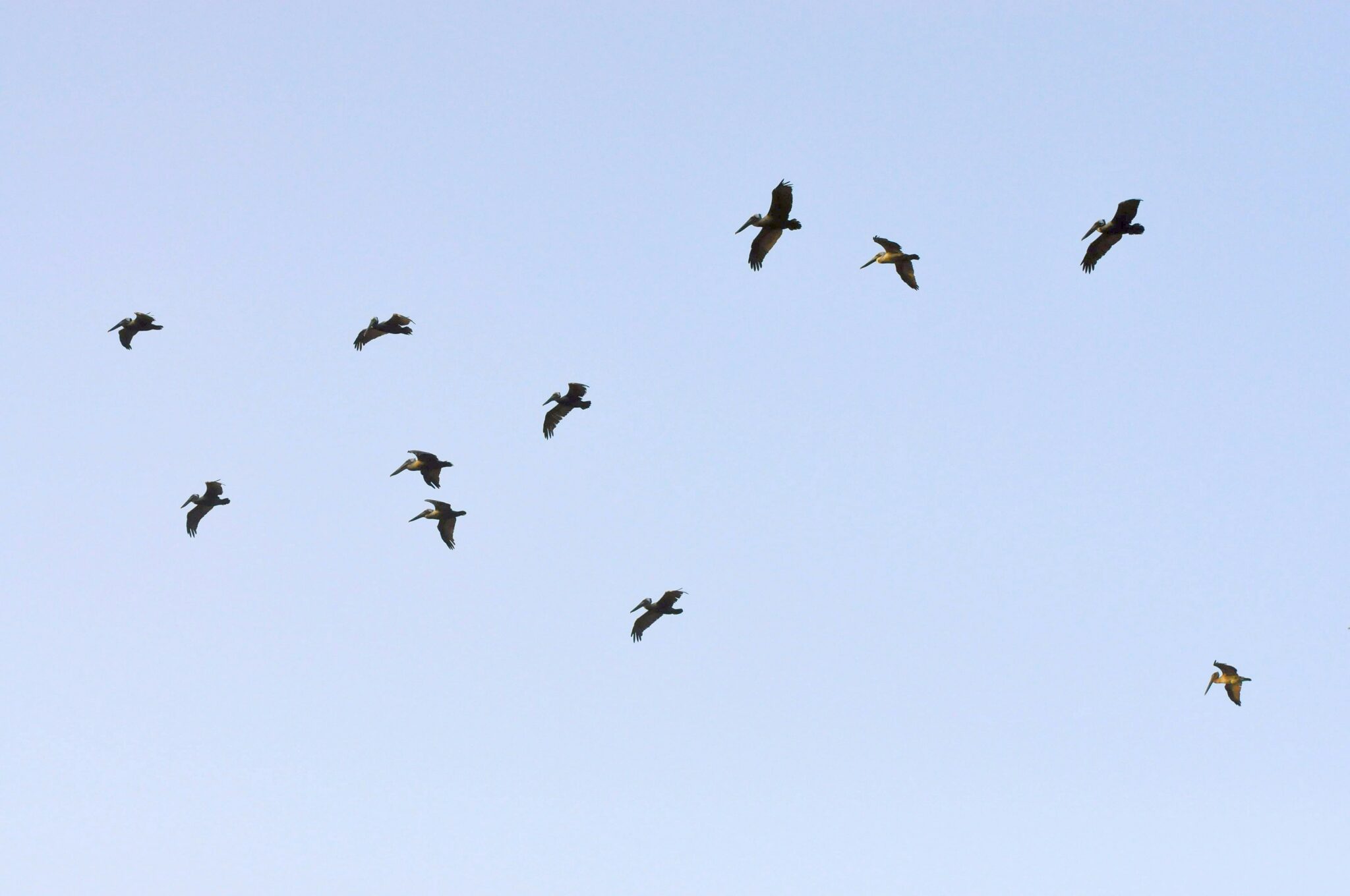

Each year, billions of birds traverse continents along established migratory routes, creating dynamic networks for pathogen dispersal. Research confirms that these movements facilitate the spread of viruses, bacteria, and parasites across agricultural landscapes, posing significant biosecurity challenges. The convergence of wild and domestic birds at shared habitats, particularly wetlands and stopover sites, enables cross-species transmission of infectious agents.
Avian influenza viruses (AIVs) demonstrate the clearest linkage to migration patterns. Phylodynamic analyses reveal that AIV dispersal rates are 4 to 13 times higher within migratory flyways than between them, with waterfowl (Anseriformes) and shorebirds (Charadriiformes) acting as primary reservoirs. Highly pathogenic H5N1 strains have spread via long-distance migrations, notably from Asia to Europe and Africa, facilitated by asymptomatic infections in species like bar-headed geese and mallards. Seasonal timing is critical: outbreaks often align with spring and autumn migrations when viral shedding peaks in juvenile birds.
Bacterial pathogens also exploit these aerial highways. In Egypt, Campylobacter jejuni and C. coli strains isolated from migratory waterbirds (e.g., common teal, northern pintail) genetically matched those infecting broiler chickens. Virulence genes like iam and antibiotic-resistance markers (e.g., tetA) were prevalent in both wild and domestic populations, indicating bidirectional transmission at shared watering sites. Similarly, Salmonella and drug-resistant Enterococcus can disseminate via birds feeding at contaminated agricultural sites.
Tick-borne diseases show latitudinal stratification tied to migration. In Europe, birds transporting Ixodes ricinus ticks (carrying Lyme disease bacteria) dominate north of 58°N, while species carrying Hyalomma marginatum (vector for Crimean-Congo hemorrhagic fever virus) prevail below 42°N. Ground-foraging birds like thrushes and starlings exhibit the highest tick loads.
Table: Key Pathogens Dispersed by Migratory Birds
| Pathogen | Primary Avian Hosts | Agricultural Impact |
| Avian influenza H5N1 | Ducks, geese, shorebirds | Poultry outbreaks; trade restrictions |
| Campylobacter spp. | Teals, pintails, pochards | Broiler contamination; foodborne illness |
| Borrelia burgdorferi | Thrushes, blackbirds | Livestock tick infestations |
| Tick-borne encephalitis | Passerines | Transmission to grazing animals |
Climate change intensifies these risks by altering migration timing and expanding vector ranges. Mitigation relies on targeted surveillance at migratory bottlenecks and restricting wild bird access to poultry facilities. As global flyways intersect farms, understanding avian movement ecology remains vital for predicting pathogen incursions.
