

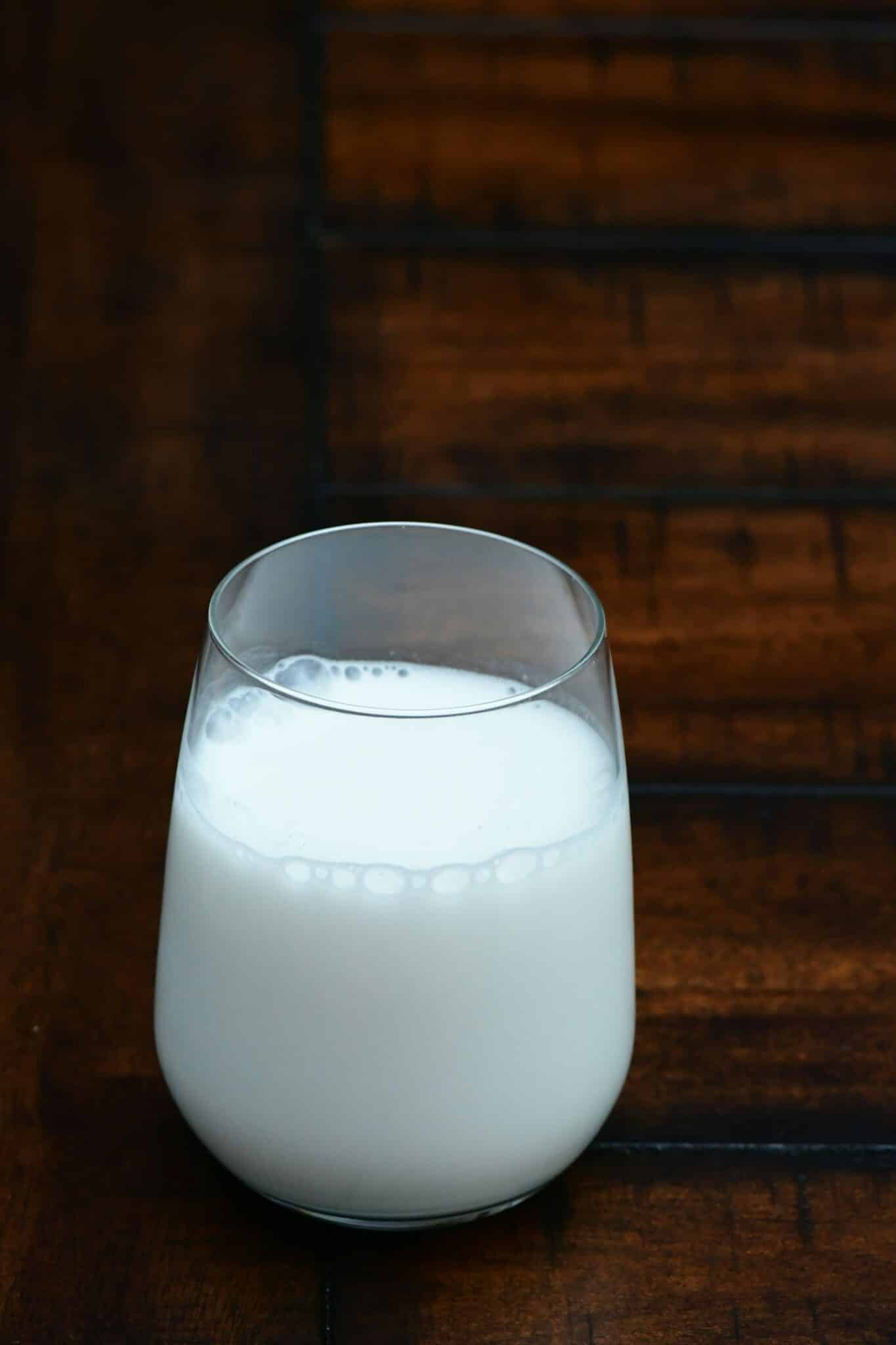

The emergence of lab-grown dairy presents a potential paradigm shift in food safety by fundamentally altering how milk proteins are produced. Unlike conventional dairy, where milk is harvested from cows and requires pasteurization to kill pathogens, synthetic dairy is manufactured using genetically engineered microorganisms in controlled bioreactors. This process, termed precision fermentation, involves inserting bovine DNA sequences into yeast or bacteria, prompting them to produce authentic casein and whey proteins identical to those in cow’s milk. The proteins are then separated, filtered, and blended with plant-based fats, sugars, vitamins, and minerals to create a nutritionally equivalent, animal-free product. Crucially, this method operates within sterile laboratory environments, eliminating exposure to farm-derived pathogens like Campylobacter, Listeria, and Salmonella that commonly contaminate raw milk.
Bypassing Pasteurization Through Sterile Production
Pasteurization remains essential for traditional dairy due to unavoidable contamination risks during milking, including pathogens from udders, feces, equipment, or storage tanks. In contrast, synthetic dairy’s closed bioreactor system inherently excludes these vectors. The absence of animals, manure, and external environmental contact minimizes opportunities for microbial intrusion. While final products undergo standard food safety testing, the aseptic production environment theoretically negates the need for pathogen-killing heat treatment. Regulatory agencies like the FDA already recognize the primary protein ingredient, “flora-made protein”, as safe (GRAS) due to its separation from genetically modified microorganisms during filtration.
Limitations and Safety Considerations
Despite reduced contamination risks, synthetic dairy is not inherently sterile. Post-production handling during blending, packaging, or fortification could introduce pathogens, necessitating rigorous hygiene protocols. Additionally, since lab-made milk contains biologically identical casein and whey, it poses the same allergy risks as conventional dairy and is unsuitable for those with milk protein allergies. No peer-reviewed studies yet confirm whether its production fully obviates pasteurization; regulatory frameworks for these novel products are still evolving.
Future Implications
According to national food poisoning law firm Ron Simon & Associates, lab-grown dairy offers a promising avenue to mitigate bacterial hazards long associated with raw milk consumption. By decoupling production from livestock and farmland, it addresses key contamination sources at their origin. If scalable sterile manufacturing is achieved, synthetic dairy could redefine safety standards in the industry, shifting focus from pathogen elimination to pathogen prevention.
