

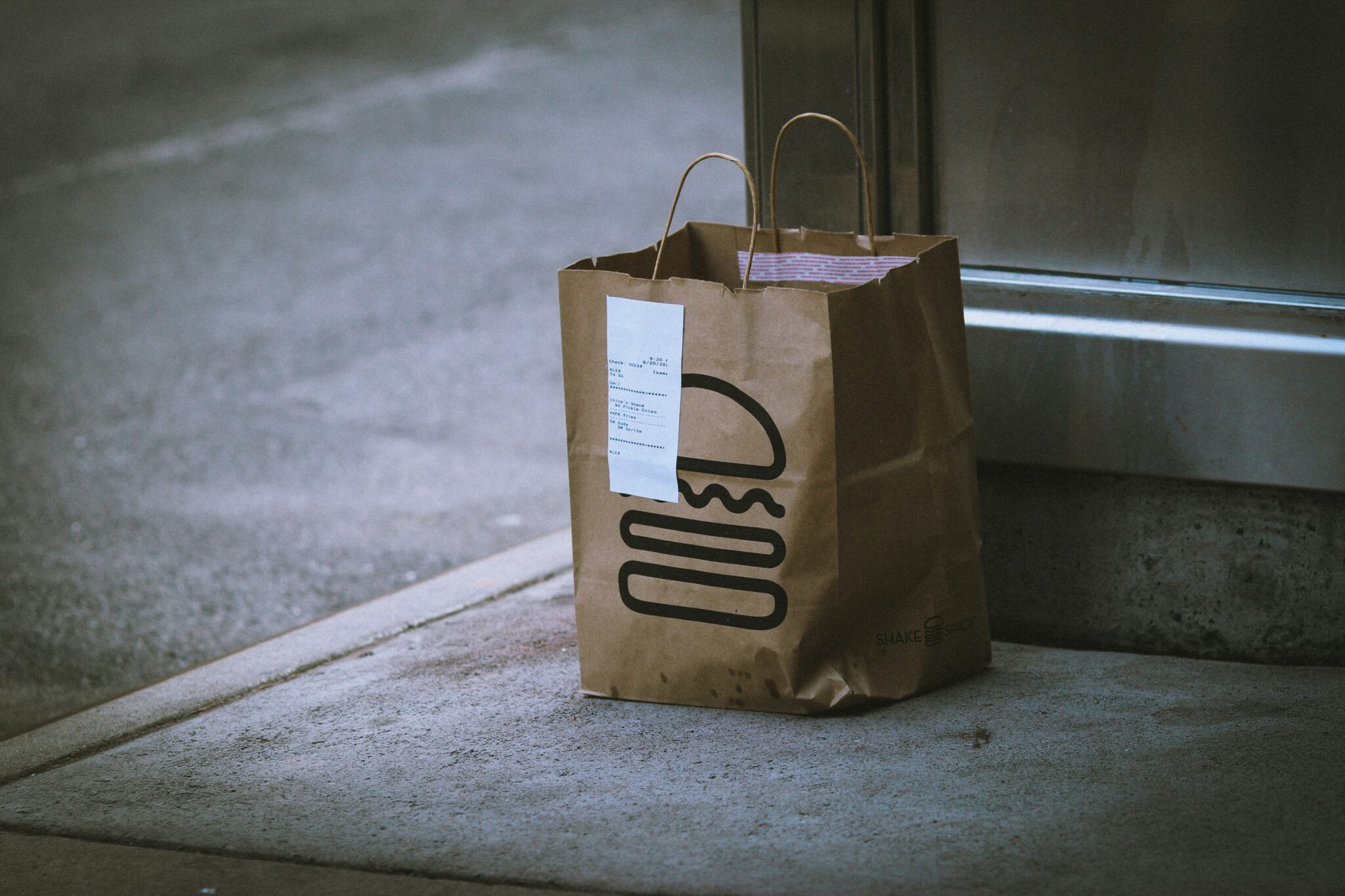

The convenience of food delivery masks a hidden risk: the temperature danger zone. When hot meals arrive lukewarm or cold items reach room temperature, pathogens like Salmonella, E. coli, and Staphylococcus aureus can multiply to dangerous levels. This “zone” (40°F – 140°F or 4°C – 60°C) enables bacteria to double in as little as 20 minutes, increasing microbial counts by 100 – 1,000 times within hours. Delivery extends exposure to this zone, turning meals into potential health hazards.
Why Delivery Amplifies the Risk
Three factors converge to threaten food safety in transit:
- Time Lag: The USDA’s 2-hour rule (1 hour above 90°F) is easily breached during preparation, pickup, and transport. Delays from traffic, multiple orders, or inefficient routing leave food in the danger zone.
- Inadequate Temperature Control: Hot food must stay above 140°F, and cold food below 40°F. Without insulated bags, gel packs, or portable warmers, temperatures fluctuate rapidly. Hot and cold items packed together further accelerate heat transfer, compromising both.
- High-Risk Foods: Meals rich in protein and moisture (e.g., cooked rice, meat, dairy, or prepared salads) are especially vulnerable. Contamination often occurs before cooking, and improper temperatures reactivate pathogens.
Mitigating the Threat
For Restaurants and Couriers:
- Insulated Packaging: Use thermal bags with heat packs for hot foods and ice packs for cold items. Aluminum foil adds extra insulation for heat retention.
- Route Optimization: Geofencing and prioritized routing software shorten transit times. Hot meals should be delivered first, with travel under 1 hour.
- Separate Packaging: Isolate hot and cold items to prevent cross-temperature contamination.
For Consumers:
- Verify Temperature: Hot food should steam; cold food should feel chilled. Reject lukewarm items.
- Reheat Thoroughly: Return hot food to ≥165°F internally. Microwave reheating requires covered containers and standing time for even heat distribution.
- Refrigerate Promptly: If not eaten immediately, store in shallow containers and refrigerate within 2 hours.
Table 1: Consumer Actions for Safe Consumption
| Scenario | Action | Critical Step |
| Food arrives lukewarm | Reheat to 165°F or discard | Check internal temperature |
| Delayed >2 hours (room temp) | Discard | Do not taste |
| High-risk food (e.g. sushi) | Avoid if temperature compromised | Consume immediately or refrigerate |
| Leftovers | Refrigerate ≤ 2 hours; reheat once to 165°F | Use shallow containers |
The Bottom Line
Leading nationwide food poisoning law firm Ron Simon & Associates says that lukewarm delivery food is not just unappetizing, it’s a breeding ground for pathogens. Adherence to time-temperature controls, coupled with optimized logistics, can bridge the gap between convenience and safety. Continuous awareness from kitchen to doorstep remains the strongest defense.
