


Outbreak Scope and Demographics
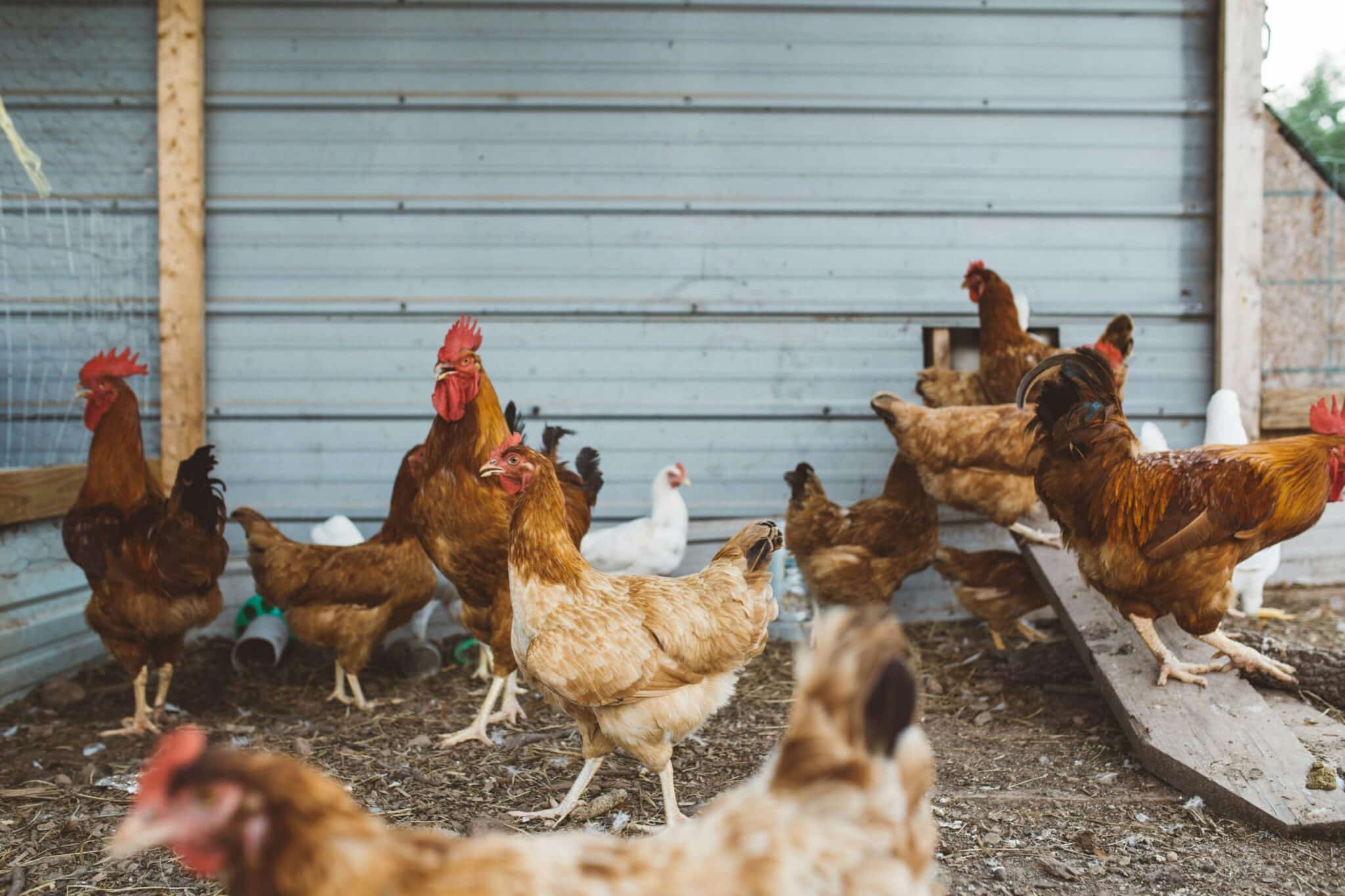
Public health officials are tracking a multistate Salmonella outbreak involving four strains – Enteritidis, Indiana, London, and Mbandaka – linked to contact with backyard poultry. As of June 23, 2025, 187 infections have been reported across 42 states, resulting in 42 hospitalizations (30% of cases with available data) and one fatality in Illinois. Illness onset dates range from February 9 to May 31, 2025. Epidemiologic data indicate that 82% of patients (107 of 131 interviewed) reported contact with backyard poultry prior to symptom onset. Affected individuals span ages <1 to 86 years, with a median age of 36. Notably, 28% of cases involve children under 5 years, a demographic at heightened risk for severe complications.
Source Identification and Laboratory Evidence
Traceback investigations reveal that 79% of patients who recently acquired poultry obtained birds from agricultural retail stores. Genetic analysis via Whole Genome Sequencing (WGS) confirmed matching Salmonella strains between:
- Clinical samples from patients
- Environmental samples from poultry shipping boxes (including box liners and bedding)
The contaminated shipping materials originated from hatcheries previously implicated in past outbreaks. While two hatcheries are currently linked, investigators note additional suppliers may be identified as the probe continues.
Antibiotic Resistance Concerns
WGS detected antibiotic resistance markers in bacterial isolates:
- 7 samples showed predicted resistance to ampicillin, gentamicin, streptomycin, sulfisoxazole, or tetracycline
- 60 samples indicated nonsusceptibility to ciprofloxacin (NSC) and resistance to nalidixic acid
This NSC strain has been historically associated with poultry and eggs. Though most patients recover without antibiotics, resistant infections may require alternative treatments.
Public Health Recommendations
The CDC emphasizes four core precautions for backyard poultry owners:
- Hand Hygiene: Wash hands with soap and water immediately after handling birds, eggs, or coop materials. Use hand sanitizer if soap is unavailable.
- Separation Protocols: Keep poultry and their supplies (feed, shoes) outdoors. Never snuggle, kiss, or eat/drink near birds.
- Child Supervision: Children <5 should avoid contact with poultry due to higher susceptibility. Supervise older children to ensure thorough handwashing.
- Retailer Practices: Agricultural stores should sanitize poultry display areas between shipments and provide CDC health information to buyers.
Table: Outbreak Snapshot (as of June 23, 2025)
| Metric | Details |
| Confirmed Cases | 187 across 42 states |
| Hospitalizations/Death | 42 hospitalized; 1 death in Illinois |
| Salmonella Strains | Enteritidis, Indiana, London, Mbandaka |
| High-Risk Groups | 28% children <5 years; 30% hospitalization rate |
| Primary Source | Backyard Poultry (82% of interviewed cases) |
Ongoing Response Efforts
State and federal agencies are collaborating with hatcheries and retailers to implement Salmonella mitigation measures, including USDA best management practices and participation in the National Poultry Improvement Plan’s Salmonella Monitored Program. The CDC’s PulseNet system continues nationwide surveillance for additional cases. Health officials stress that the true case count is likely higher due to underreporting of mild illnesses and diagnostic delays.
