

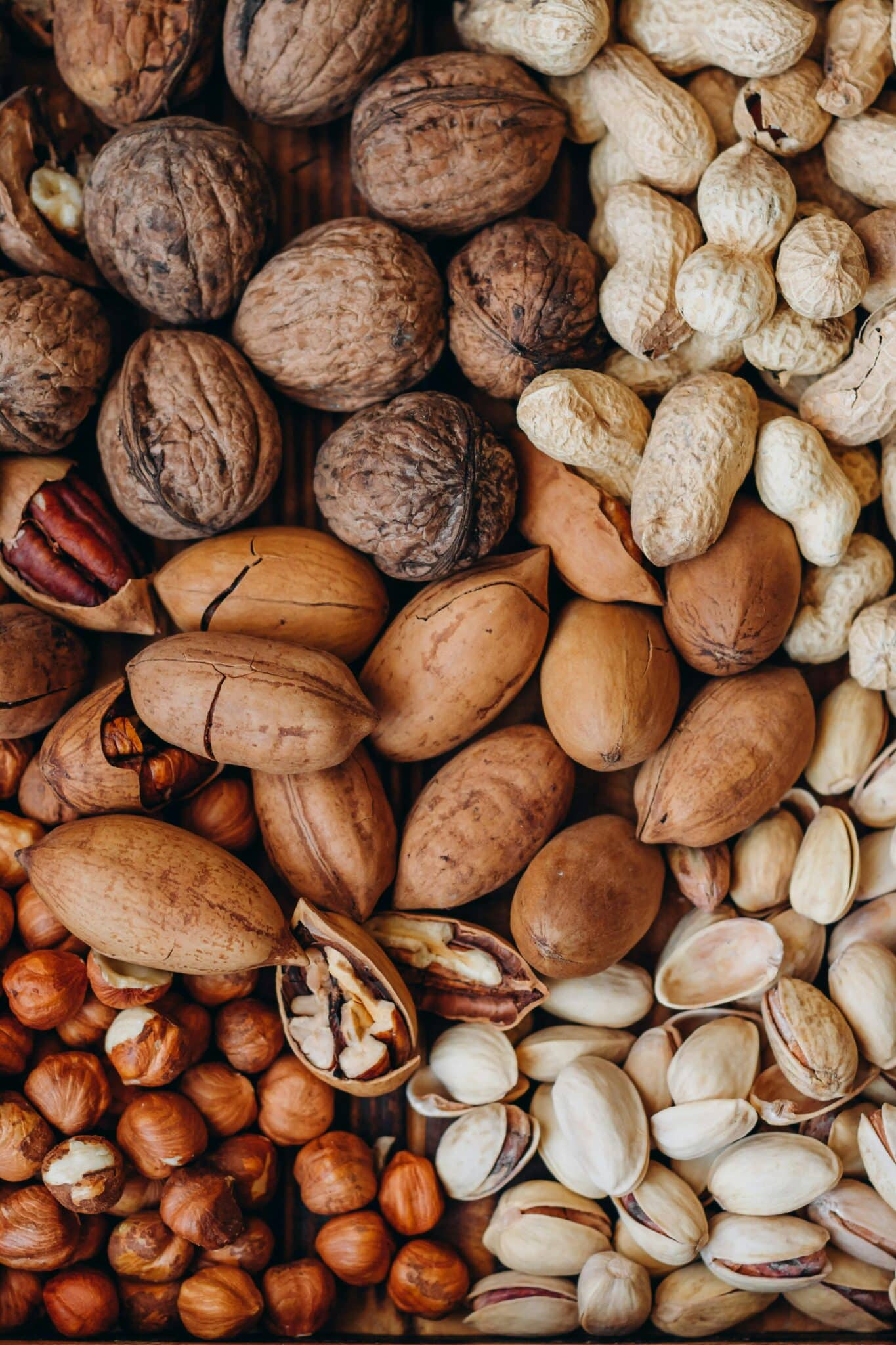

Recent months have seen multiple high-profile Salmonella outbreaks and recalls linked to nuts and nut-derived products, highlighting persistent food safety challenges in this category. These incidents exemplify the unique biological and supply chain factors that make nuts particularly vulnerable to contamination.
Recent Outbreak Incidents
- Pistachio Cream Recall (July 2025):
World Market recalled Emek brand Pistachio Cacao Cream (Batch 250401) and bulk tubs (5kg) after Salmonella detection. The product, manufactured in Turkey and distributed across U.S. food service channels, prompted nationwide disposal advisories. No illnesses were reported, but the recall required rigorous sanitization of surfaces and containers that contacted the product.
- Pecan Recall (Class I Alert, July 2025):
Navarro Pecan Holdings recalled 32,670 pounds of pecan products (including pieces, halves, and blends) distributed to five U.S. states and three countries. The FDA classified this as a Class I recall, indicating a “reasonable probability” of severe health consequences, due to Salmonella risk. Bulk distribution to bakeries and manufacturers amplified cross-contamination concerns.
- Cashew-Linked Outbreaks (2020–2021):
- A 2020 multistate outbreak tied to a juice bar chain was epidemiologically linked to cashew-based milk alternatives. The cashews, imported as “raw” without a pathogen-kill step, were suspected vehicles.
- In 2021, contaminated cashew-based brie sickened 20 people across four states. Testing revealed four Salmonella serovars (Typhimurium, Duisburg, Urbana, Chester) in products and manufacturing environments. Imported “raw” cashew pieces were identified as the likely source.
Why Nuts Are Vulnerable to Salmonella Contamination
Biological and Processing Factors:
- Low moisture content: Nuts’ low water activity (<0.70) inhibits bacterial growth but allows Salmonella to survive for months or years. Studies show Salmonella persists on nuts at ambient temperatures, complicating long-term storage safety.
- Resistance to processing: Salmonella survives drying, roasting, and fermentation if treatments are inadequately controlled. For example, a 2013 outbreak involved cashew cheese fermented with a dietary supplement instead of validated starter cultures, failing to kill pathogens.
- Uneven contamination distribution: Salmonella levels in nuts are typically low (often ≤0.0092 MPN/g) but heterogeneously distributed. One study of outbreak-linked cashews found only 1–2 of 10 subsamples per unit tested positive, complicating detection.
Supply Chain Challenges:
- Global sourcing: Most U.S. cashews are imported from Vietnam, India, and Brazil as “raw” products, meaning they lack a verified kill step before use. Contamination can originate in source countries through soil, water, or handling.
- Bulk distribution: Recalled pecans and pistachio cream reached commercial manufacturers, increasing secondary contamination risks in products like baked goods or dairy alternatives.
- Regulatory gaps: Importers must comply with the Foreign Supplier Verification Program (FSVP), but oversight inconsistencies persist. In 2015, FDA resorted to enhanced import screening after an outbreak linked to cashews from two firms in one country.
Public Health Responses and Prevention
- Recall protocols: Class I recalls mandate immediate product disposal and sanitization of surfaces with bleach solutions (1 tbsp/gallon water).
- Industry mitigation: FDA recommends kill steps (e.g., pasteurization) for imported nuts and environmental monitoring in processing facilities.
- Consumer guidance: Authorities advise against consuming “raw” nuts unless pasteurized and recommend cooking nut products to 160°F (71°C).
Persistent Risks and Ongoing Surveillance
Salmonella prevalence in U.S. retail nuts remains measurable, with surveys reporting contamination in 0.20%–2.52% of samples, highest in macadamia nuts (2.52%) and pistachios (2.37%). Genetic diversity of Salmonella strains in nuts further complicates detection and outbreak tracking, though whole-genome sequencing now enhances traceability.
Conclusion
Nuts remain a high-risk category for Salmonella due to their biological properties, global supply chains, and consumption without further kill steps. Recent outbreaks emphasize the need for validated pathogen controls during processing, enhanced import screening, and adherence to recall protocols. Ongoing surveillance and advanced detection methods continue to be critical for mitigating future outbreaks.
