

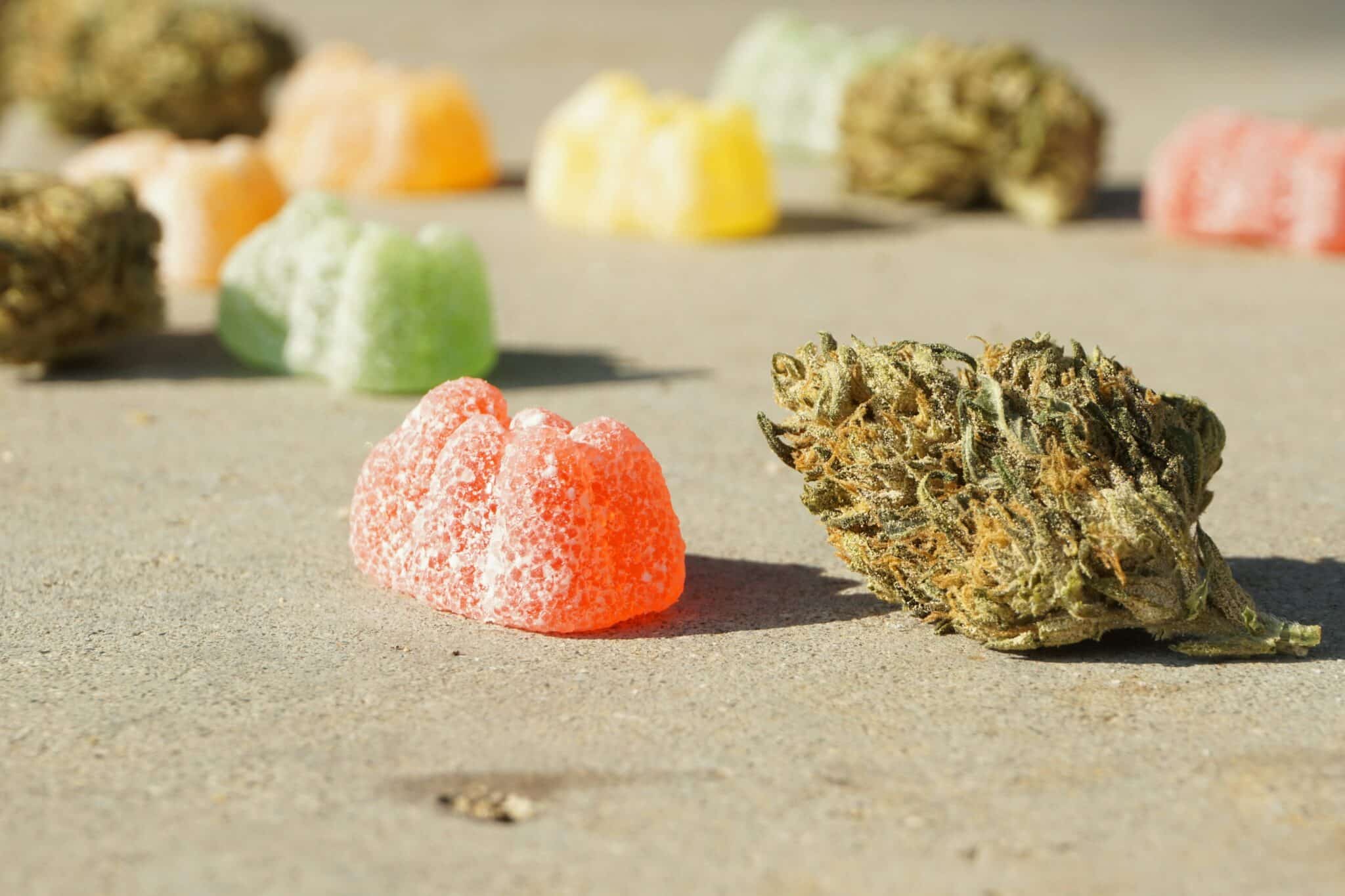

As cannabis legalization expands across the United States and many other countries, the popularity of cannabis-infused edibles has surged. From brownies and gummies to sodas and chocolates, these products offer a smoke-free and discreet way to consume cannabis. Despite their appeal, cannabis edibles present a unique and growing food safety concern. Improper production, packaging, storage, and handling can all introduce the risk of foodborne illness, posing risks not only to recreational users but also to medical patients with compromised immunity.
The Intersection of Cannabis and Food Safety
Cannabis edibles are, at their core, food products. Like any item made with dairy, eggs, fruits, or flour, they are susceptible to contamination by bacteria such as Salmonella, E. coli, and Listeria monocytogenes. In some cases, the inclusion of cannabis oil or tinctures, often made at home or with little regulatory oversight, adds additional complexity. Oils made from untested cannabis plants or in unsanitary environments may already harbor bacteria or mold. When these ingredients are then added to foods that require refrigeration or specific cooking temperatures, the risks multiply.
Unlike commercial food producers, many cannabis edible manufacturers, especially those in unregulated or newly legal markets, do not have to meet the same stringent food safety standards as the broader food industry. This lack of oversight can result in improper labeling, poor hygiene practices, and inadequate temperature controls during transport or storage.
Documented Outbreaks and Reports
There have already been several documented instances where cannabis edibles were linked to foodborne illness outbreaks. In some cases, homemade edibles served at private events caused illness due to improper food handling. One such outbreak occurred at a potluck event in California, where multiple people became ill after consuming infused dishes. Although the cannabis content was not the source of the illness, the lack of proper temperature controls for the perishable dishes led to a norovirus outbreak.
In other cases, licensed dispensaries and commercial kitchens have had to issue recalls after discovering contamination. Cannabis chocolates and baked goods have been recalled due to Salmonella found in raw ingredients or unclean manufacturing equipment. These recalls highlight the reality that cannabis edible producers can face the same food safety pitfalls as other food manufacturers.
High-Risk Populations and Medical Users
One of the most concerning aspects of food poisoning in cannabis edibles is the impact on vulnerable populations. Many consumers of medical cannabis are older adults or individuals with chronic health conditions that compromise immune function. For these individuals, what may be a mild stomach upset for a healthy person could lead to serious complications or hospitalization.
Edibles are often chosen by medical cannabis patients because they offer a controlled and longer-lasting effect without the irritation of smoking. When these products are contaminated, the very patients they are meant to help may be at greater risk.
Home Kitchens and Unregulated Markets
The legalization of cannabis in some regions has led to a rise in home-based edible production, often sold informally or gifted to others. These home kitchens may not follow basic food safety protocols. Dishes may be left out too long, stored improperly, or cooked in unsanitary conditions. Unlike commercial kitchens, home environments often lack temperature logs, handwashing stations, and regular health inspections.
Even in legal states, homemade edibles are difficult to regulate. Consumers may receive them at parties, community gatherings, or through friends without knowing how they were made. This lack of transparency increases the risk of foodborne illness and leaves public health departments with little data to trace outbreaks.
Improving Safety Through Regulation and Education
To reduce the risk of food poisoning in cannabis edibles, increased regulation and education are both essential. Regulatory bodies must ensure that all edible products are manufactured under safe food handling conditions. This includes the enforcement of food safety training, frequent inspections, and laboratory testing for contaminants beyond THC and CBD content.
Labeling must also improve. Edible products should include not only cannabinoid content but also storage instructions, expiration dates, and allergen warnings. Consumers need to be able to identify when a product might be unsafe to consume.
Public health organizations and cannabis advocates should also educate the public on the risks of consuming homemade or unregulated edibles. Safe consumption guidelines, including checking for spoilage and properly storing infused products, can help prevent illness.
A Cautionary Note for a Growing Industry
As the cannabis industry continues to grow, so does the need for it to be held to the same food safety standards as any other segment of the food market. The appeal of edibles, especially to new consumers, makes this category uniquely vulnerable to misuse and misunderstanding.
The convergence of food and cannabis is still relatively new, and safety protocols are still catching up. Recognizing foodborne illness as a legitimate concern in the cannabis space is not about stoking fear, it is about ensuring that consumers can enjoy these products safely and with confidence.
The industry, regulators, and consumers all play a role in reducing the risks. With appropriate oversight and education, cannabis edibles can remain a safe and beneficial option in the evolving landscape of legalized cannabis.
