

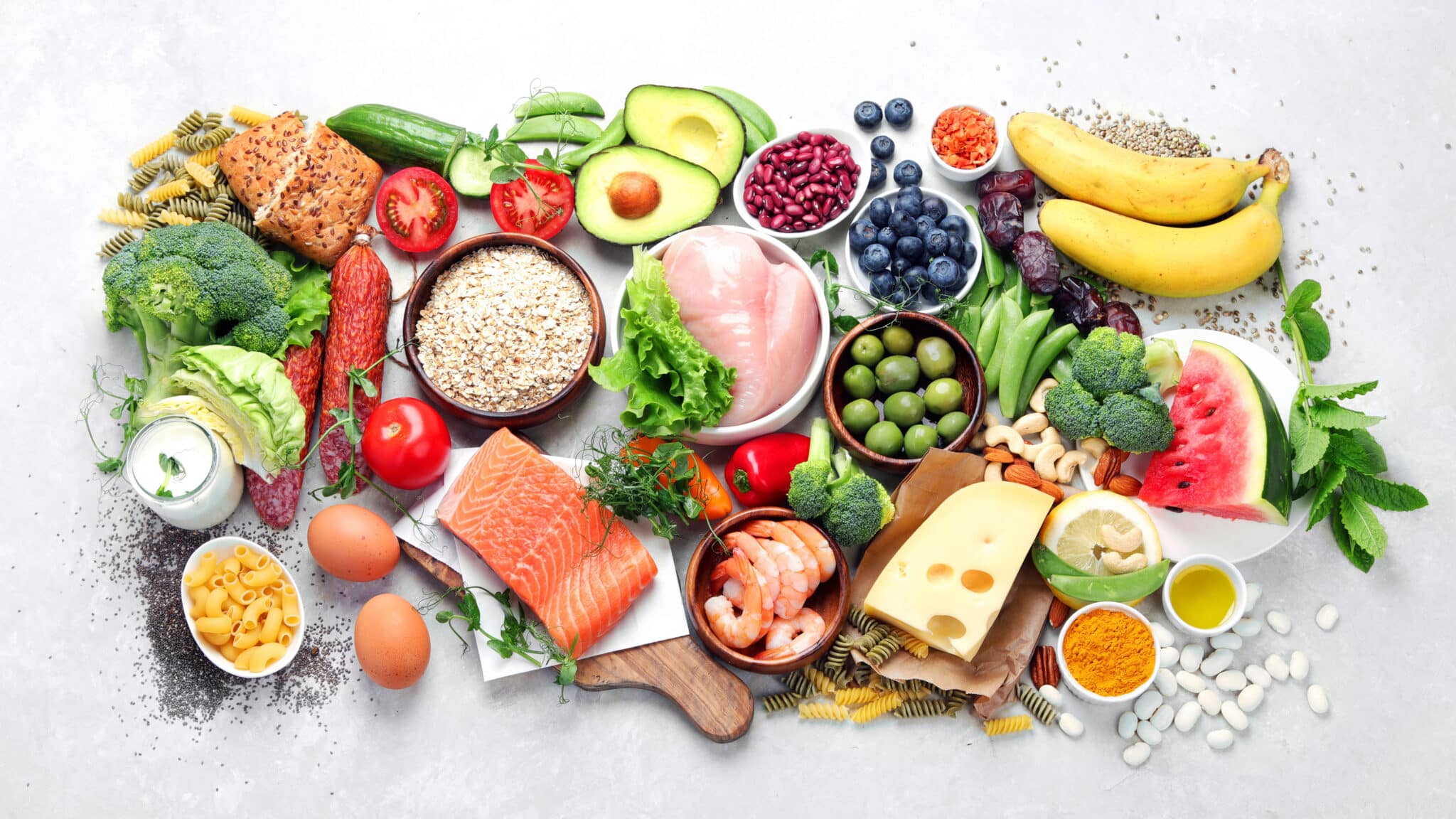

Culinary medicine is an emerging evidence-based field that blends the art of food preparation with the science of healthcare, aiming to empower individuals to use diet proactively for disease prevention and management. Unlike traditional nutrition approaches, it focuses on practical, food-based solutions tailored to specific clinical conditions, cultural preferences, and socioeconomic contexts. This discipline recognizes that dietary patterns can be as effective as pharmaceuticals for certain conditions: for example, Mediterranean diets for cardiovascular disease, ketogenic diets for epilepsy, or anti-inflammatory eating patterns for rheumatoid arthritis. The White House Conference on Hunger, Nutrition, and Health in 2022 amplified national attention on such initiatives, framing them as critical tools to reduce chronic diseases and food insecurity.
The implementation of culinary medicine extends beyond theoretical advice. It includes hands-on strategies like teaching kitchens, culinary prescriptions, and interprofessional coaching to help patients translate dietary guidelines into daily practice. Programs often involve collaborative care teams, physicians, dietitians, and chef coaches, working to address barriers such as food access, budgeting, and cooking skills. For instance, the CHEF Coaching program at Spaulding Rehabilitation Hospital offers telehealth sessions to support patients in developing culinary skills aligned with their health needs. Similarly, medical schools like Tulane University and the University of Arizona have integrated culinary medicine into their curricula, training future healthcare providers to prescribe dietary interventions effectively.
Federal and institutional support is growing. The U.S. Department of Health and Human Services now prioritizes “Food Is Medicine” (FIM) interventions, which include medically tailored meals, produce prescriptions, and culinary education. These initiatives are backed by research suggesting that tailored nutrition interventions can improve health outcomes while reducing healthcare costs. However, challenges remain, including the need for standardized protocols, addressing health disparities, and ensuring culturally sensitive approaches. For example, food insecurity and limited kitchen resources can hinder the adoption of prescribed diets, highlighting the importance of programs that adapt to diverse socioeconomic contexts.
The evidence base for culinary medicine is expanding, with ongoing studies aiming to quantify its impact on chronic diseases and healthcare utilization. A multicenter randomized controlled trial is evaluating the effectiveness of telemedicine-based culinary coaching, which could provide further insights into scalable models. As the field evolves, culinary medicine represents a promising paradigm shift, one where food becomes an integral part of medical treatment, empowering patients to transform their health through practical, joyful eating.
