
Close Menu
  • Food Poisoning
    • Symptoms
    • Prevention
    • Treatment
    • Causes
  • Pathogens
    • Botulism
    • Campylobacter
    • E. coli
    • Cyclospora
    • Norovirus
    • Hepatitis A
    • Salmonella
    • Listeria
    • Shigella
  • Food Safety
    • How to wash your hands
    • Food Safty And The Holidays
  • Legal
    • Can I sue for Food Poisoning?
    • E. coli Lawyer
      • E. coli Lawsuit
    • Salmonella Lawyer
      • Salmonella Lawsuit
    • Botulism Lawyer
    • Cyclospora Lawyer
    • Shigella Lawyer
    • Hepatitis A Lawyer
  • Outbreaks and Recalls
  • Connect With A Lawyer
What's Hot

Back-to-School Food Risks: How Lunch Packing, Cafeterias, and Shared Spaces Increase Food Poisoning

January 14, 2026

Campylobacter Infection: Where It Comes From and Why It’s One of the Most Common Foodborne Illnesses

January 14, 2026

What Foods Are Most Likely to Carry Salmonella—and Why Contamination Happens So Easily

January 14, 2026
Facebook X (Twitter) Instagram
Facebook X (Twitter) YouTube
  • About
  • Contact Us
Food Poisoning NewsFood Poisoning News
  • Home
  • Food Poisoning
    • What is Food Poisoning?
      • Symptoms
      • Causes
      • Prevention
      • Treatment
      • Statistics
    • Pathogens
      • Botulism
      • Campylobacter
      • E. coli
      • Hepatitis A
      • Shigella
      • Norovirus
      • Salmonella
      • Cyclospora
      • Listeria
  • Food Safety
    • How to wash your hands
    • Food Safty And The Holidays
  • Legal
    • Salmonella Lawyer
      • Salmonella Lawsuit
    • E. coli Lawyer
      • E. coli Lawsuit
    • Cyclospora Lawyer
    • Shigella Lawyer
    • Hepatitis A Lawyer
    • Botulism Lawyer
  • Outbreaks and Recalls
Food Poisoning NewsFood Poisoning News
Home»Public Health Agencies»Ultra-Processed Foods: Health Impacts and Regulatory Debates
Ultra-Processed Foods: Health Impacts and Regulatory Debates
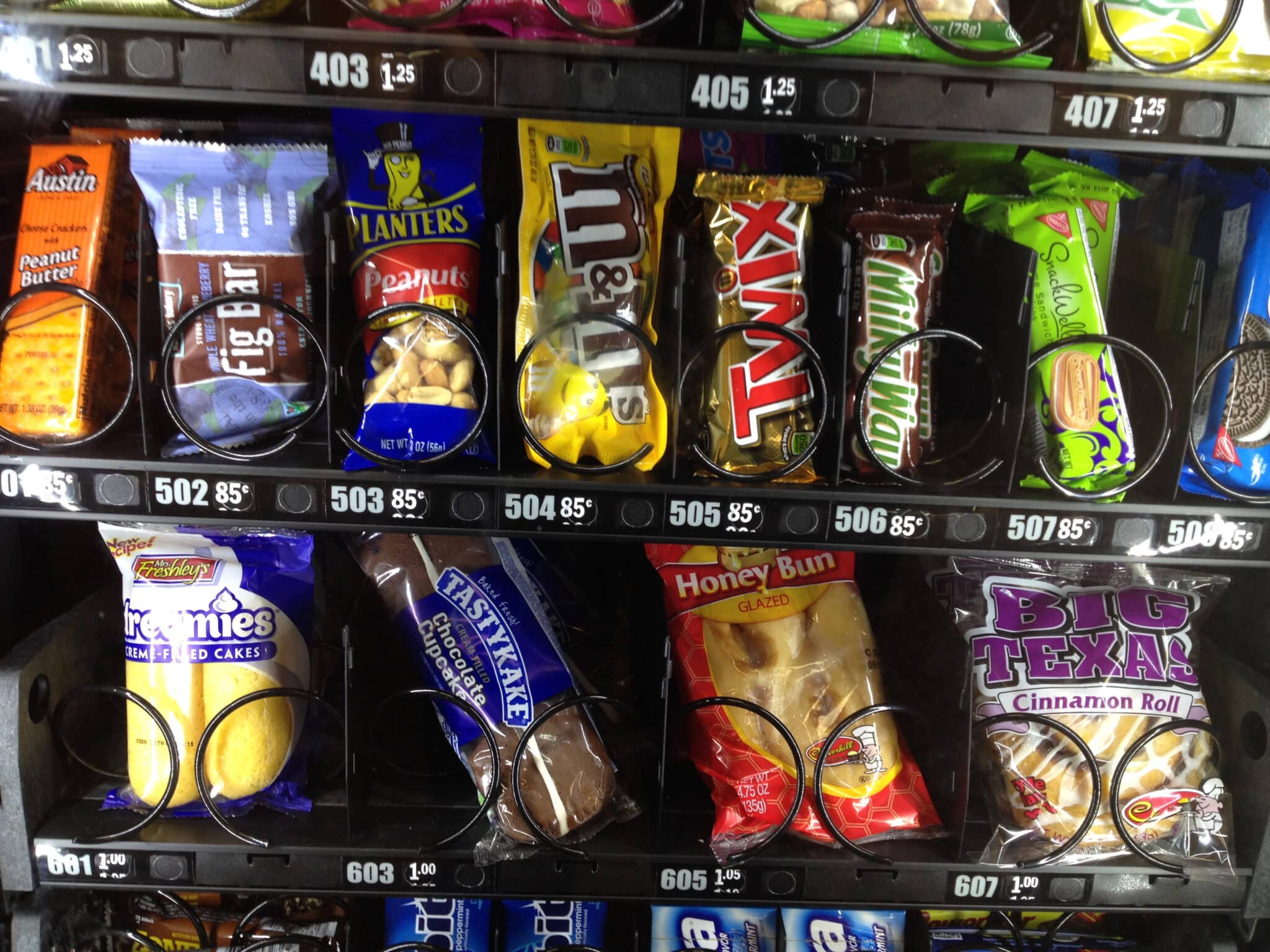
Ultra-processed foods contain ingredients not typically found in home kitchens, such as emulsifiers, colorings, and flavor enhancers.
Public Health Agencies

Ultra-Processed Foods: Health Impacts and Regulatory Debates

Kit RedwineBy Kit RedwineSeptember 12, 2025No Comments3 Mins Read
Share
Facebook Twitter LinkedIn Pinterest Email Reddit

Emerging research continues to illuminate the significant health implications of ultra-processed foods (UPFs), defined as industrial formulations containing ingredients not typically found in home kitchens, such as emulsifiers, colorings, and flavor enhancers.  These products, which include items like packaged snacks, sodas, and frozen pizzas, now constitute nearly 60% of U.S. adults’ calorie consumption and are linked to a range of adverse health outcomes, including obesity, diabetes, cardiovascular disease, and cancer.  The NOVA classification system, developed by Brazilian epidemiologist Carlos Monteiro, categorizes these foods separately due to their extensive processing and typically poor nutritional profiles. 

Recent clinical trials have provided robust evidence on the physiological effects of UPFs. The UPDATE trial, a randomized crossover study published in *Nature Medicine*, compared diets based on UK Eatwell Guide recommendations but differing in processing levels.  Participants following the minimally processed food (MPF) diet experienced significantly greater weight loss (−2.06% vs. −1.05%) and reductions in body fat compared to those on the UPF diet, despite both diets being matched for macronutrients and presented energy.  The UPF diet was also associated with less favorable changes in triglycerides and LDL cholesterol, highlighting that health impacts extend beyond calorie content alone. 

The mechanisms behind these effects may involve more than just nutrient composition. UPFs are often engineered to achieve a “bliss point” of sugar, salt, and fat, which can encourage overconsumption by triggering neurological rewards.  Additionally, their low fiber content and use of additives like emulsifiers can disrupt gut microbiome balance and increase intestinal inflammation, as demonstrated in studies where emulsifiers led to microbiota encroachment into the sterile mucus layer of the gut. 

In response to the growing evidence, U.S. federal agencies are taking steps toward regulatory action. The FDA and USDA, under the direction of HHS, have initiated a process to establish a uniform federal definition for UPFs, aiming to improve labeling transparency and inform consumer choice.  This effort recognizes that overconsumption of UPFs is a driving factor in the childhood chronic disease crisis and seeks to create consistency in research and policy.  However, debates continue regarding the classification systems, with some critics arguing that NOVA oversimplifies by focusing heavily on processing rather than nutritional value, potentially overlooking variations within the category. 

The global policy landscape is also evolving, with some countries considering taxes on sugar- and fat-rich products to discourage consumption.  Nevertheless, the functional role of UPFs, such as providing affordable, shelf-stable food and supporting vulnerable populations through products like infant formula, complicates blanket recommendations.  As research advances, the focus is shifting toward differentiating between harmful and healthier processed options, ensuring that future policies balance public health objectives with nutritional equity and practical food security needs. 

Share. Facebook Twitter Pinterest LinkedIn Tumblr Email
Avatar photo
Kit Redwine

Related Posts

Campylobacter Infection: Where It Comes From and Why It’s One of the Most Common Foodborne Illnesses

January 14, 2026

Are Organic Foods Less Likely to Have Salmonella or E. coli?

January 7, 2026

Salmonella Outbreak Linked to Raw Oysters | Salmonella Infection

December 29, 2025

Mountain West Food Group, LLC Recalls Ground Beef Products Due To Possible E. Coli O26 Contamination

December 27, 2025
Add A Comment
Leave A Reply Cancel Reply

Attorney Advertisement
Ron Simon

Subscribe to Updates

Get the latest food safety recall, outbreak, & investigation news.

Latest Posts

Back-to-School Food Risks: How Lunch Packing, Cafeterias, and Shared Spaces Increase Food Poisoning

January 14, 2026

What Foods Are Most Likely to Carry Salmonella—and Why Contamination Happens So Easily

January 14, 2026

How Long Do Foodborne Bacteria Survive on Kitchen Surfaces—and Why Cleaning Isn’t Always Enough

January 14, 2026

Food Poisoning News is a website devoted to providing you with the most current information on food safety, dangerous pathogens, food poisoning outbreaks and outbreak prevention, and food poisoning litigation.

We're social. Connect with us:

Facebook X (Twitter) YouTube
Latest Posts

Back-to-School Food Risks: How Lunch Packing, Cafeterias, and Shared Spaces Increase Food Poisoning

January 14, 2026

What Foods Are Most Likely to Carry Salmonella—and Why Contamination Happens So Easily

January 14, 2026

How Long Do Foodborne Bacteria Survive on Kitchen Surfaces—and Why Cleaning Isn’t Always Enough

January 14, 2026
Get Informed

Subscribe to Updates

Get the latest food safety recall, outbreak, & investigation news.

Facebook X (Twitter) YouTube
  • Home
© 2026 Food Poisoning News. Sponsored by Ron Simon & Associates a Houston, TX law firm. Powered by ArmaVita.
Our website and content are for informational purposes only. Food Poisoning News does not provide legal advice, medical advice, diagnosis, or treatment.

Type above and press Enter to search. Press Esc to cancel.