


In May 2022, a multistate outbreak of Salmonella Senftenberg infections was linked to a food many people keep in their pantry: peanut butter. The investigation, which led to a major recall, identified the source as a facility producing Jif brand peanut butter, sickening people across the United States. This incident is not an anomaly. It is part of a growing pattern of outbreaks challenging the conventional wisdom that dry foods are inherently safe from microbial threats. The realm of low-moisture foods, including spices, chocolates, cereals, and powdered milk, has become a new frontier in the battle against foodborne pathogens, complicated by the surprising biological toughness of Salmonella in these arid environments.
For decades, food safety efforts have rightly focused on perishable items like fresh meats, dairy, and produce. The logic was straightforward: without moisture, bacteria cannot grow. However, survival is different from growth, and Salmonella has demonstrated a remarkable ability to persist for months or even years in low-water conditions. This durability, combined with the global distribution of these shelf-stable products, has turned the dry goods aisle into a potential launchpad for widespread outbreaks, forcing a fundamental rethinking of food safety protocols from farm to table.
The Science of Survival: Why Dryness Empowers a Pathogen
The key to understanding this risk lies in the concept of water activity (aw), a measure of the available water in a product for microbial growth. While most bacteria require a high water activity to multiply, Salmonella can enter a state of suspended animation in low-moisture environments. Research has shown that reducing the available water in food is a long-established method for controlling bacterial growth, yet foodborne outbreaks of salmonellosis due to consumption of dry foods have been continuously reported.
When Salmonella cells are exposed to desiccation, they undergo a profound physiological transformation. This stress does not simply weaken them; in many cases, it triggers the development of cross-tolerance. A 2011 study demonstrated that desiccated Salmonella enterica serotype Typhimurium cells acquired significantly higher tolerance to a wide range of subsequent stressors compared to their non-desiccated counterparts. The dried cells were substantially more resistant to ethanol, sodium hypochlorite (a common disinfectant), hydrogen peroxide, bile salts, dry heat, and UV irradiation. This means that the very process of making a food dry can inadvertently arm the bacteria with enhanced defenses against the chemical and physical treatments designed to kill it later in the food processing chain.
This cross-tolerance has dire implications for food safety. For instance, the thermal resistance of Salmonella increases dramatically in low-water-activity environments. A 2021 study on milk powder found that the D-values, the time required at a certain temperature to kill 90% of the microorganisms, for Salmonella in whole milk powder increased over a six-month storage period. At 80°C, the D-value rose from 18.9 minutes on day one to 29.4 minutes by day 180. This means that standard thermal processing steps, which might be sufficient for wet foods, can fail to eliminate the pathogen in dry goods, allowing it to survive and cause illness.
A Rogue’s Gallery of Outbreaks: From Chocolate to Cereal
The theoretical risk posed by this resilient pathogen has materialized in a long and diverse list of real-world outbreaks. These incidents highlight that no low-moisture food category is immune and that the consequences can be international in scope.
Perhaps one of the most illustrative categories is chocolate. A 2024 systematic review identified 12 major outbreaks of nontyphoidal salmonellosis linked to chocolate consumption between 1970 and 2022, involving a total of 3,266 patients. These outbreaks consistently had a few key features: they often peaked in cooler seasons, primarily affected children, and frequently spread across multiple countries. The most recent, a large cross-border outbreak in 2022 linked to chocolate products from a Belgian factory, affected over 450 people in 16 countries. The high fat content of chocolate is thought to protect Salmonella from gastric acids, lowering the infectious dose and allowing even minimal contamination to cause widespread illness.
Similarly, spices have been a repeated vehicle for illness. A review covering 1973 to 2010 identified 14 reported illness outbreaks from pathogen-contaminated spices, resulting in nearly 2,000 human illnesses. Salmonella enterica was the causative agent in 71% of these outbreaks. The outbreaks linked to spices often occur when the contaminated spice is added to a ready-to-eat food after its final pathogen-reduction step, providing no further opportunity to kill the bacteria before consumption.
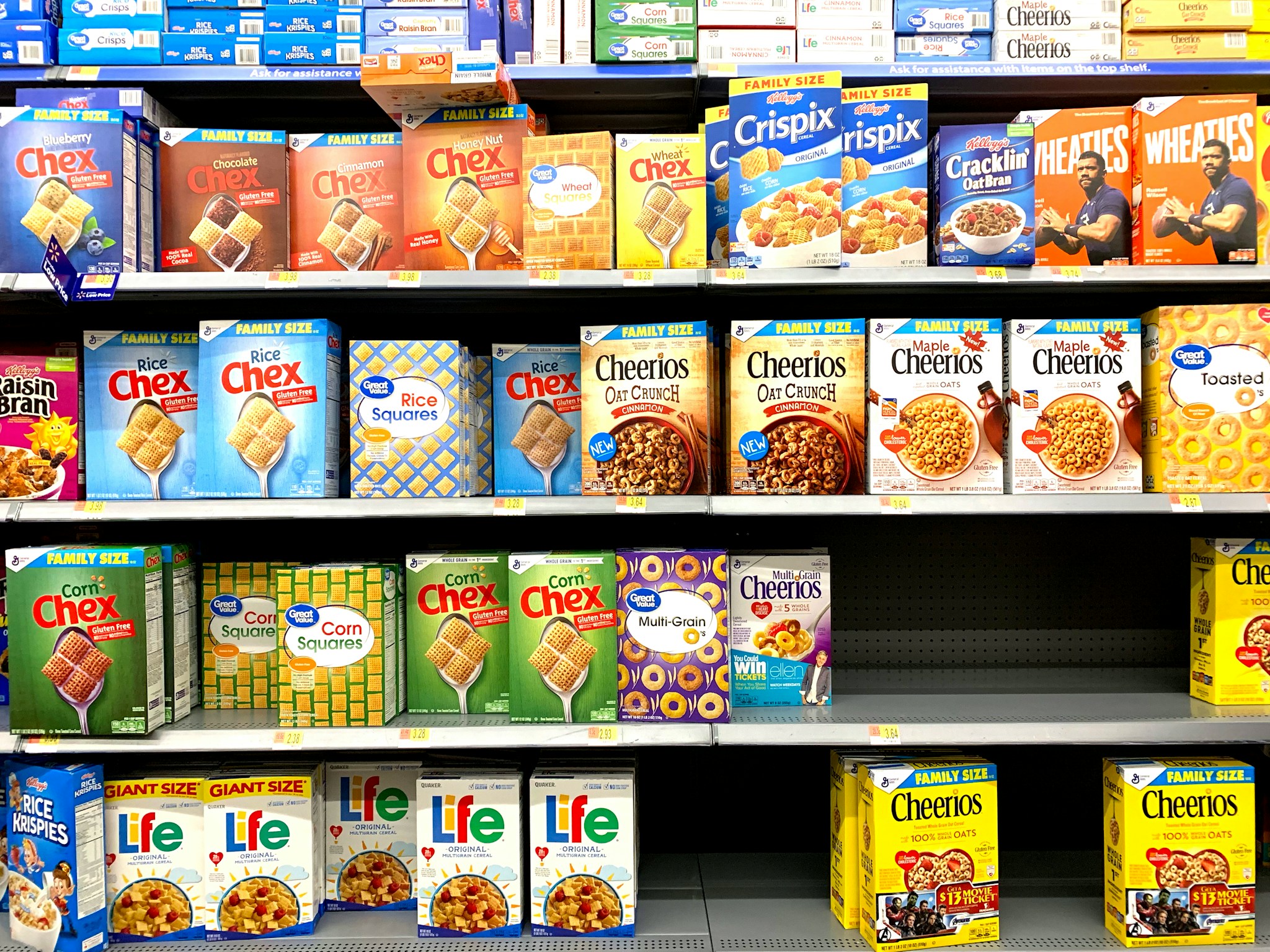
Even breakfast cereal has been implicated. In 2018, a multistate outbreak of Salmonella Mbandaka infections in the United States was traced back to a ready-to-eat sweetened puffed wheat cereal. The investigation was particularly challenging, as initial hypothesis-generating interviews failed to pinpoint a source. It was only through open-ended interviews that investigators discovered a common thread: 75% of ill people reported consuming or possibly consuming the specific cereal in the week before illness onset. Environmental sampling at the manufacturing facility yielded the outbreak strain, revealing a case of persistent environmental contamination.
Table: Representative Outbreaks of Salmonella in Low-Moisture Foods
| Year | Food Vehicle | Salmonella Serotype | Scope of Outbreak | Key Findings |
| 2022 | Peanut Butter | Senftenberg | Multistate (U.S.) | Recall of Jif brand peanut butter; outbreak strain matched an environmental sample from the same facility taken in 2010 |
| 2021-2022 | Chocolate Products | Monophasic Typhimurium | 16 Countries (International) | Over 450 cases; production was halted at a Belgian manufacturing plant |
| 2018 | Puffed Wheat Cereal | Mbandaka | 36 States (U.S.) | 136 cases; investigation highlighted the use of open-ended interviews to identify the vehicle |
| 2001-2002 | Chocolate Products | Oranienburg | 10 Countries (International) | 538 cases; demonstrated the international distribution potential of contaminated dry goods |
The Investigation Hurdle: Detecting a Needle in a Haystack
Identifying a low-moisture food as the source of a Salmonella outbreak presents unique difficulties for public health investigators. The long shelf life of these products means that the contaminated item may have been purchased many months before the illness begins, making it hard for patients to recall specific details. Furthermore, the low infectious dose required for some dry foods like chocolate means an outbreak can be geographically widespread without a high concentration of cases in any single location, evading traditional cluster detection methods.
The 2018 puffed wheat cereal outbreak exemplifies these challenges. Standard questionnaires, which ask about common food exposures, initially failed to identify a likely source. It was not until health officials employed open-ended narrative interviews, allowing ill people to discuss their normal routines in detail, that a common consumption of the specific cereal emerged. This shift in investigative technique was the key breakthrough. Once the hypothesis was generated, further focused interviews confirmed that 63 of 84 ill people had consumed the cereal.
Central to solving these complex puzzles is the sophisticated laboratory technology of molecular subtyping. In the United States, the PulseNet network uses whole-genome sequencing (WGS) to create a detailed DNA fingerprint of bacterial isolates from sick people. When WGS shows that bacteria from patients in different states are highly genetically related, it strongly indicates a common source. This technology was crucial in the 2022 peanut butter outbreak, where WGS analysis linked the current outbreak strain to an environmental sample collected from the same facility back in 2010, revealing a long-standing contamination issue.
Controlling the Uncontrollable: A New Playbook for Food Safety
The unique resilience of Salmonella in dry environments demands a specialized set of control measures that go far beyond the protocols used for wet foods. The principle that “what doesn’t grow, can’t hurt you” is dangerously inadequate. The focus must shift to preventing contamination in the first place and validating that kill steps are effective in low-water-activity matrices.
A foundational element is a robust environmental monitoring program within processing facilities. Because Salmonella can persist in the facility environment, on floors, equipment, and drains, regular and systematic testing is essential to find and eliminate harborage sites before they can contaminate the product. The finding of the outbreak strain in the peanut butter plant years after the initial detection underscores the tenacity of the pathogen and the need for relentless vigilance.
Preventive controls must be rigorously designed and validated for their efficacy in dry conditions. As the research on cross-tolerance shows, standard concentrations of sanitizers like sodium hypochlorite may be insufficient against desiccated Salmonella. Similarly, thermal processes must be calibrated based on the specific water activity of the product, as the D-values can be several times higher in a dry state compared to a hydrated one. A kill step that is effective for a pasteurized liquid like milk may be entirely inadequate for milk powder.
Finally, the global nature of the supply chain for ingredients like spices, nuts, and cocoa requires a “farm-to-fork” approach. Contamination can be introduced at the agricultural level, persist through transportation and storage, and survive processing to end up in a final product. This complexity means that control is not the responsibility of the final manufacturer alone but requires coordinated efforts across all segments of the supply chain, from implementing good agricultural practices to ensuring sanitary transportation and storage.
Analysis & Next Steps
The paradigm in food safety is shifting from viewing low-moisture foods as low-risk to recognizing them as high-consequence vehicles for foodborne illness. Groundbreaking research has revealed that desiccation does not merely preserve Salmonella but actively fortifies it, inducing a state of cross-tolerance that makes the bacterium significantly more resistant to heat, chemicals, and other control measures used by the food industry. Furthermore, advanced molecular tools like whole-genome sequencing are illuminating the protracted nature of these challenges, linking contemporary outbreaks to persistent environmental contamination in facilities that persisted for a decade or more.
This expanded understanding of risk matters because the rules of food safety are different for dry goods. Traditional intervention strategies can fail if they are not specifically designed and validated for low-water-activity environments. The long shelf life and broad, often international, distribution of these products can transform a single contamination event into a massive, multi-country outbreak, as seen with chocolate and peanut butter. For consumers, these are pantry staples often consumed without a cooking step, presenting a final opportunity for the pathogen to cause illness.
The impact is widespread. Consumers of all ages are potentially affected, though outbreaks linked to certain vehicles like chocolate have disproportionately affected children. The food industry is critically affected, as manufacturers of low-moisture foods must now invest in more sophisticated sanitation protocols, environmental monitoring, and validated process controls. Public health agencies are also impacted, as they must continually refine their outbreak detection and investigation techniques to keep pace with a threat that is often invisible and counterintuitive.
The food industry must implement and aggressively maintain rigorous environmental monitoring programs to detect and eradicate Salmonella harborage sites along with validating all thermal and chemical intervention processes specifically for the low-water-activity matrix of the finished product, rather than relying on data from high-moisture foods.
Regulators and public health officials should continue to promote the adoption of whole-genome sequencing and data-sharing platforms like PulseNet internationally to enable faster detection of diffuse, multinational outbreaks. Developing and disseminating updated, science-based guidance for controlling Salmonella in low-moisture food production environments is a must.
Consumers should continue to adhere to food safety alerts and discard any recalled products, recognizing that low-moisture foods can have a long shelf life and may remain in homes for months. Also, practicing good hygiene in the kitchen while keeping in mind that even dry foods can be a source of contamination.
The long-held assumption that dry foods are safe from microbial threats is being overturned by the surprising resilience of Salmonella in low-moisture environments. Foods like peanut butter, chocolate, spices, and cereal, once considered low-risk, have been linked to significant, widespread outbreaks. The danger lies not in the bacteria’s ability to grow in these conditions, but in its remarkable capacity to survive. Scientific research reveals that when Salmonella is exposed to dryness, it undergoes a physiological transformation, entering a hardened state that makes it significantly more tolerant to heat, disinfectants, and other control measures used in food processing. This enhanced durability, combined with the global distribution and long shelf life of these pantry staples, creates a perfect storm for international outbreaks. Investigating these incidents is uniquely challenging, as the low infectious dose and patients’ difficulty recalling foods eaten months prior complicate detective work. Addressing this risk requires a fundamental shift in food safety protocols, moving beyond traditional methods to include rigorous environmental monitoring in processing plants and control measures specifically validated for dry environments. The safety of the dry goods aisle now depends on this specialized, science-based awareness.
