

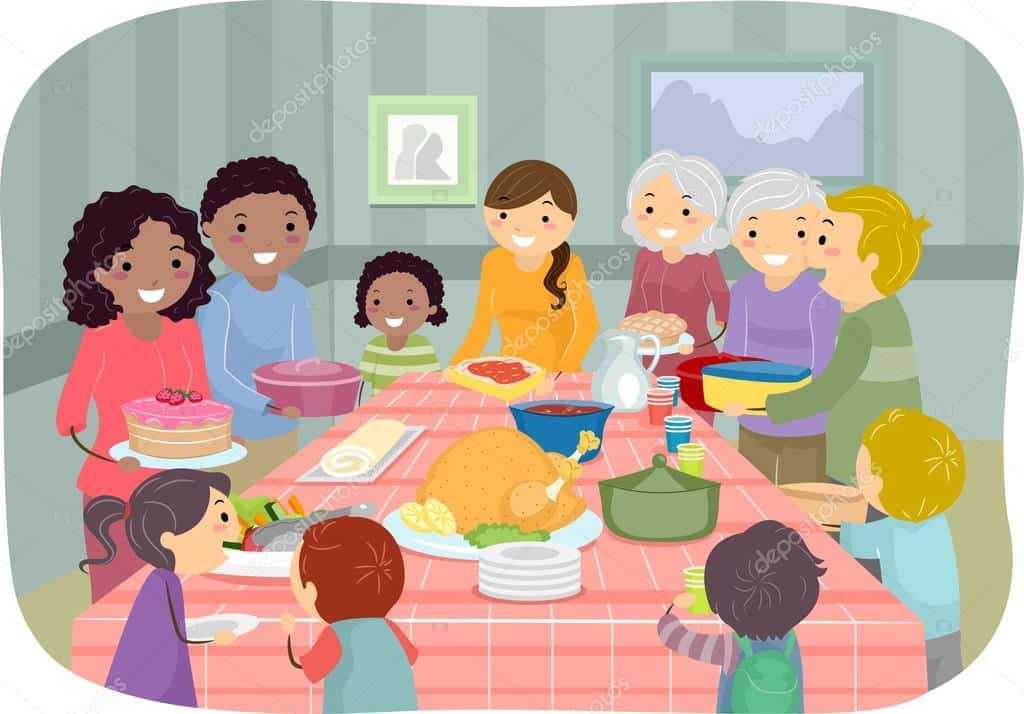

Every December, schools across the country transform into festive hubs of celebration. Classrooms glow with string lights, teachers put on holiday playlists, and students arrive with trays of cookies, big bowls of pasta, and Crock-Pots bubbling with family recipes. The classroom potluck is a warm, nostalgic tradition—one that makes even the coldest winter days feel cozy.
But beneath the glittery decorations and cheerful chatter, there’s a quiet reality many people never consider: classroom celebrations are one of the most underestimated food safety risk zones of the entire school year. And it’s not because anyone is doing something “wrong.” It’s because potlucks bring together dozens of homemade dishes, long serving times, and crowded classrooms where oversight—not intention—creates conditions for foodborne illness.
The Feeling of Safety That Isn’t Always True
Classrooms are familiar. Students spend every day in the same seats, at the same desks, with the same people. That familiarity creates a sense of comfort—one that extends to food. When a dish arrives wrapped in foil and carried by a smiling classmate or parent, everyone assumes it’s safe simply because it came from someone they know.
But food doesn’t behave differently just because it’s served in a classroom. It still needs temperature control, proper storage, clean preparation surfaces, and time limits. Potluck tables don’t offer any of that.
Food that feels “fresh” at 8 a.m. may be sitting at unsafe temperatures by noon. Items intended to be refrigerated often sit in backpacks, on teachers’ desks, or in warm hallways for hours before the party even begins. None of it seems risky—until it is.
Where the Risks Begin
Unlike catered events, potlucks rely on dozens of households preparing food under wildly different conditions. One kitchen may sanitize surfaces rigorously; another might have pets, crowded counters, or shortcuts made to save time. Teachers and administrators have no way to verify how dishes were handled, and parents often assume their own habits are the same across the board.
Once the food reaches the school, new challenges unfold. Classrooms don’t have refrigerators, so perishable dishes—dips, pasta salads, casseroles, desserts with dairy—sit out for hours. Crock-Pots stay plugged in along walls with no temperature monitoring. Students serve themselves with the same utensils, touching handles with hands that have been everywhere: desks, lockers, phones, shared supplies.
It only takes one contaminated surface—or one dish held at the wrong temperature—to quietly create an issue.
The Long Timeline Problem
The biggest potluck hazard is time. December school days are packed: review sessions, exams, assemblies, early dismissal schedules, club events. Food often arrives long before it’s eaten. Parents drop off dishes in the morning because they’re rushing to work. Students bring perishable foods in their backpacks during freezing outdoor walks but then sit in overheated classrooms.
By the time the actual celebration starts, many dishes have spent hours in conditions ideal for bacterial growth: too warm, too exposed, and handled by too many people.
And unlike restaurants or cafeterias, there is no dedicated staff checking temperatures, rotating dishes, or removing old items. Teachers already juggle dozens of responsibilities. Monitoring food safety during a chaotic holiday party simply isn’t realistic.
Crowded Rooms Add Another Layer
Classrooms become incredibly crowded during celebrations. Students gather around tables, reaching across each other for plates and utensils. Jackets, backpacks, and personal items brush across serving dishes. Phones go from hand to food and back again.
Crowding also leads to shared-contact points—serving spoons, tongs, cup ladles. These tools become hotspots for cross-contamination in minutes. Even if the food was prepared perfectly at home, the classroom environment can undo that safety almost immediately.
The Hidden Viral Factor
Bacterial risks are only half the problem. Winter is peak season for norovirus—one of the most contagious stomach illnesses. A single sick student can spread it to dozens of classmates by touching the same serving spoon, leaving germs on a desk, or coughing near the food table. Unlike bacteria, norovirus doesn’t need hours to grow; it spreads instantly.
This is why classroom potlucks often coincide with sudden spikes in stomach-related illnesses the following week. The timing isn’t coincidence. It’s seasonal, environmental, and deeply tied to shared food in shared spaces.
Why Holiday Foods Amplify the Issue
Winter dishes—creamy pastas, cheesy casseroles, dips, puddings, pies—are some of the most perishable foods served all year. They cool quickly on tables but not evenly enough to stay safe. Items containing eggs, dairy, or meat become hazardous faster than people realize, especially when room temperatures rise with dozens of bodies filling the space.
Students also tend to graze. They return to the food table repeatedly, opening containers, stirring dishes, lifting lids, or serving themselves again and again. Every interaction reintroduces warmth, bacteria, and the chance of contamination.
One Small List : High-Risk Potluck Foods
Here are the classroom dishes that become unsafe most quickly during long parties:
- Cream-based dips, sauces, and casseroles
- Poultry dishes or meat cooked earlier in the morning
- Egg-based desserts or homemade frostings
These foods aren’t dangerous on their own—they just demand temperature control classrooms cannot provide.
Parents Prepare with Love, Not Regulations
The sentimental side of classroom potlucks is powerful. Parents bring dishes they grew up eating, excited to share traditions with their children’s classmates. Students bring cookies baked with siblings the night before. Everyone participates with the best intentions.
But love doesn’t override temperature rules. A beautifully made homemade dish can become unsafe simply because it sat out on a teacher’s desk too long. The intention remains meaningful—but the risk is real.
Why This Still Matters Today
Classroom potlucks continue to grow in popularity because they build connection. Students love them. Teachers love the break from routine. Parents enjoy contributing. And yet, every year, winter stomach illnesses spike in schools following holiday celebrations, often blamed on “seasonal bugs” without recognizing that shared food played a role.
With awareness—not fear—schools can adjust in simple ways. Celebrations with individually packaged items, shorter serving times, or earlier refrigeration can maintain the joy without the risk. Even small shifts matter: labeling foods, timing when dishes arrive, or simplifying menus.
Celebration Without the Consequence
The magic of a classroom potluck is undeniable. It brings warmth to cold days and strengthens the sense of community students need during a stressful season. But community is best preserved when the celebration doesn’t send students home sick afterward.
By understanding the quiet risks that come with long timelines, crowded rooms, and mixed food origins, schools can enjoy the tradition without inviting problems. Not through strict rules, but through thoughtful planning and awareness—ensuring that holiday cheer, not illness, becomes the shared memory.
