

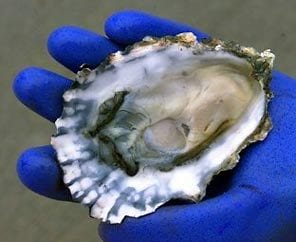

Raw oysters have long been regarded as a delicacy, particularly in coastal regions where shellfish harvesting is culturally and economically significant. Consumed raw on the half shell, oysters are often associated with freshness, luxury, and culinary tradition. However, despite their popularity, raw oysters pose well-documented and sometimes severe public health risks. Unlike many other foods, oysters are typically eaten without any cooking step that would kill harmful microorganisms. Because oysters are filter feeders that draw large volumes of water through their bodies, they can accumulate bacteria, viruses, and toxins present in their environment. As a result, raw oyster consumption remains one of the most common causes of seafood-related illness in the United States. These dangers have led federal and state governments to implement a complex regulatory framework designed to reduce — though not eliminate — the risks associated with eating raw oysters.
One of the most significant dangers of consuming raw oysters is infection with Vibrio bacteria, particularly Vibrio vulnificus and Vibrio parahaemolyticus. These naturally occurring bacteria thrive in warm coastal waters, especially during the summer months. When oysters filter seawater, Vibrio organisms can concentrate in their tissues. Vibrio parahaemolyticus typically causes gastrointestinal illness characterized by diarrhea, abdominal cramps, nausea, vomiting, and fever. While unpleasant, this infection is usually self-limiting in healthy individuals. Vibrio vulnificus, however, poses a far greater threat. This bacterium can cause severe bloodstream infections, septic shock, and necrotizing skin infections. In vulnerable individuals, particularly those with liver disease, diabetes, weakened immune systems, or chronic alcohol use, Vibrio vulnificus infections can be fatal. Mortality rates for bloodstream infections can exceed 20 percent, even with prompt medical treatment.
Beyond Vibrio species, norovirus represents another major danger linked to raw oyster consumption. Norovirus is a highly contagious virus and a leading cause of foodborne illness worldwide. Oysters harvested from waters contaminated with human sewage can accumulate norovirus particles, which are resistant to environmental degradation and cannot be detected by taste, smell, or appearance. Infection typically causes sudden onset vomiting, diarrhea, abdominal pain, and fever, and outbreaks can affect large numbers of people. Because norovirus has a very low infectious dose, even small amounts present in raw oysters can lead to illness. Unlike bacterial contamination, norovirus contamination is not reliably eliminated through post-harvest handling or refrigeration, making raw consumption especially risky.
Another danger associated with raw oysters involves other bacterial pathogens, including Salmonella, Campylobacter, and Shigella. Although less commonly linked to oysters than Vibrio or norovirus, these bacteria have been implicated in outbreaks associated with raw or undercooked shellfish. In addition, oysters can accumulate biotoxins produced by harmful algal blooms, such as those responsible for paralytic, neurotoxic, and amnesic shellfish poisoning. While state monitoring programs often close harvesting areas during algal blooms, environmental changes and rapidly shifting conditions mean that toxin exposure remains a concern. These toxins are not destroyed by cooking, though most shellfish poisonings are associated with recreational harvesting rather than commercial oysters served in restaurants.
The risks of raw oyster consumption are not evenly distributed across the population. Certain groups face disproportionately severe consequences from infection. Pregnant individuals, older adults, young children, and people with underlying medical conditions — particularly liver disease or immunosuppression — are at much higher risk of hospitalization or death. For example, individuals with cirrhosis or hepatitis are significantly more likely to develop life-threatening Vibrio vulnificus infections after consuming raw oysters. Public health agencies consistently advise these groups to avoid raw oysters entirely, emphasizing that the risk is not theoretical but well-documented through surveillance data and outbreak investigations.
Despite these dangers, raw oysters remain legal to sell and serve in much of the United States, subject to extensive regulation. At the federal level, oyster safety is governed primarily by the U.S. Food and Drug Administration (FDA) in cooperation with coastal states through the National Shellfish Sanitation Program (NSSP). The NSSP establishes uniform standards for harvesting, processing, labeling, and distributing shellfish, including oysters. Under this program, states monitor water quality in shellfish harvesting areas, classify growing waters based on pollution risk, and close areas when contamination levels exceed safety thresholds. Oysters must be tagged with harvest information to allow traceability in the event of an outbreak, and dealers must meet sanitation and refrigeration requirements. However, it is important to note that compliance with NSSP standards does not make raw oysters safe; it merely reduces the risk.
States retain significant authority to impose additional restrictions on raw oyster sales, and state regulation varies widely. Most coastal states allow the sale of raw oysters but impose seasonal, geographic, or labeling restrictions. For example, many states require restaurants and retailers to display consumer advisory warnings stating that consuming raw or undercooked shellfish may increase the risk of foodborne illness, particularly for individuals with certain medical conditions. These warnings are typically mandated by state health codes and must be prominently displayed on menus or signage. While such advisories aim to inform consumers, critics argue that warnings are often overlooked or misunderstood and do not fully convey the severity of potential outcomes.
Some states have gone further by imposing seasonal bans or enhanced safety requirements during warmer months when Vibrio levels are highest. States along the Gulf Coast, where Vibrio vulnificus is most prevalent, have implemented post-harvest processing requirements such as high-pressure processing, flash freezing, or pasteurization-equivalent treatments for oysters harvested during peak risk periods. These methods significantly reduce bacterial loads while allowing oysters to be sold as “raw” in a culinary sense, though purists argue that they alter texture or flavor. In some cases, states prohibit the sale of untreated raw oysters harvested from certain waters during specific months.
A small number of states have adopted more restrictive approaches. For instance, some inland states discourage or tightly regulate raw oyster service through stringent food safety codes, and a few have considered outright bans in response to repeated outbreaks. However, full prohibitions are rare, largely due to economic and political considerations. The oyster industry plays a vital role in coastal economies, supporting commercial fisheries, aquaculture operations, restaurants, and tourism. As a result, regulators often seek to balance public health protection with economic sustainability rather than impose blanket bans.
Local health departments may also exercise authority to temporarily prohibit raw oyster sales during outbreaks or when contamination is detected. When illnesses are traced back to a specific harvest area or distributor, states can issue recalls, close oyster beds, and suspend licenses. These actions are reactive rather than preventive, highlighting a key challenge in raw oyster regulation: by the time illnesses occur, contaminated oysters have often already been consumed. This reactive nature underscores the inherent risk of consuming raw shellfish, even under a regulated system.
The ongoing debate over raw oyster regulation mirrors broader discussions about food freedom and personal responsibility. Proponents of continued raw oyster sales argue that informed adults should be allowed to make their own dietary choices and that education and labeling are sufficient safeguards. They also point to improved aquaculture practices, water testing, and post-harvest technologies as evidence that risks can be managed. Public health experts, on the other hand, emphasize that no amount of regulation can fully eliminate the danger posed by raw oysters and that severe illness or death can occur even in healthy individuals. From this perspective, allowing raw oyster sales represents a calculated acceptance of preventable harm.
Environmental changes further complicate the issue. Climate change has contributed to warmer coastal waters, expanding the geographic range and seasonal persistence of Vibrio bacteria. Regions that historically experienced few Vibrio infections are now reporting increased cases, prompting states to reassess existing regulatory frameworks. As ocean temperatures continue to rise, the risks associated with raw oyster consumption are expected to increase, potentially necessitating stricter controls or expanded post-harvest treatment requirements nationwide.
In conclusion, consuming raw oysters carries significant and well-documented health risks, including bacterial, viral, and toxin-related illnesses that can be severe or fatal, particularly for vulnerable populations. While federal and state regulatory systems aim to reduce these risks through monitoring, labeling, and handling requirements, they cannot guarantee safety. Most states permit the sale of raw oysters under regulated conditions, while a smaller number impose seasonal restrictions, enhanced processing mandates, or temporary prohibitions during outbreaks. The persistence of illness linked to raw oysters demonstrates that regulation mitigates but does not eliminate danger. Ultimately, individuals who choose to eat raw oysters must weigh culinary preference against documented health risks, while policymakers continue to grapple with balancing public health protection, consumer autonomy, and economic interests in the seafood industry.
