


Food labels are often treated as background noise—something glanced at for calories, ignored for storage instructions, or trusted without much thought. Yet labels are one of the most direct food safety tools available to consumers. When understood correctly, they provide critical information that helps reduce the risk of food poisoning. When misunderstood or ignored, they can create a false sense of security.
One of the most confusing aspects of food labels is date terminology. Many consumers assume all dates indicate safety deadlines, but this is not the case. Different phrases serve different purposes, and misunderstanding them can lead people to consume food that is no longer safe or, conversely, discard food unnecessarily.
“Best by” or “best if used by” dates generally refer to quality rather than safety. These dates indicate when a product is expected to be at its peak flavor or texture, not when it becomes unsafe. However, this does not mean food is always safe well beyond that date. Quality decline can coincide with conditions that allow bacteria to grow, especially if storage instructions are not followed precisely.
“Use by” dates are more closely tied to safety, particularly for perishable items. These dates are based on how long the manufacturer can reasonably ensure the product remains safe under proper storage conditions. Consuming food past a “use by” date increases the risk of bacterial growth, especially for refrigerated or ready-to-eat foods.
Storage instructions are another critical but frequently overlooked part of food labels. Statements such as “refrigerate after opening” exist because exposure to air, light, and handling changes a product’s environment. Once opened, food becomes more vulnerable to bacterial contamination. Ignoring these instructions allows bacteria to multiply even if the food appears unchanged.
Handling warnings, especially on raw meat, poultry, and seafood, play a direct role in preventing food poisoning. These labels are not legal formalities—they signal a higher likelihood that harmful bacteria may be present. Failure to follow handling instructions increases the risk of spreading bacteria to other foods, surfaces, and hands.
Packaging claims can also be misleading if misunderstood. Terms like “sealed for freshness” or “extended shelf life” do not mean a product is immune to contamination. These features slow bacterial growth but do not eliminate it. Once packaging is compromised or opened, the protective effect diminishes rapidly.
Food labels also communicate risk through ingredient lists and allergen statements. While primarily designed for allergy awareness, these labels offer insight into how food is produced. Shared facilities or equipment can indicate more complex processing environments where cross-contamination risks may exist, even when products meet safety standards.
Some of the most important food safety information found on labels includes:
- Storage and temperature instructions, which directly affect bacterial growth
- Handling warnings, particularly for raw or ready-to-eat foods
Another often-overlooked element is serving size guidance. While primarily intended for nutritional purposes, serving sizes can also influence how food is handled. Larger portions left out longer or reheated multiple times increase exposure to unsafe temperatures. Labels implicitly assume proper portioning and storage practices.
Labels also reflect assumptions about consumer behavior. Manufacturers design safety timelines based on typical use, such as consistent refrigeration and minimal exposure to contaminants. When real-world behavior deviates from these assumptions, food safety margins shrink. Leaving food out during meals, double-dipping utensils, or returning warmed food to the refrigerator all alter the conditions labels are based on.
Understanding food labels also helps explain why certain foods are riskier than others. Ready-to-eat items often carry stricter storage instructions because they skip final cooking steps. Without heat to kill bacteria before consumption, these foods rely heavily on proper handling and refrigeration.
Despite their importance, labels cannot account for every variable. They cannot predict how long food sits in a hot car, whether a refrigerator maintains a safe temperature, or how clean kitchen surfaces are. Labels provide guidance, not guarantees. Treating them as part of a broader food safety system is essential.
Food labels are most effective when paired with awareness and consistency. Reading them once at purchase is not enough. Instructions should guide how food is stored, handled, and consumed throughout its life cycle. This ongoing attention helps prevent bacteria from reaching levels that cause illness.
Ultimately, food labels translate complex food safety science into practical guidance. They bridge the gap between industrial food production and home kitchens. When consumers understand what labels truly communicate, they gain an important layer of protection against food poisoning.
Food safety is not only about what is eaten, but how it is stored, handled, and respected. Labels exist to support those decisions. Taking them seriously turns everyday food choices into informed actions that reduce risk long before illness ever has a chance to begin.
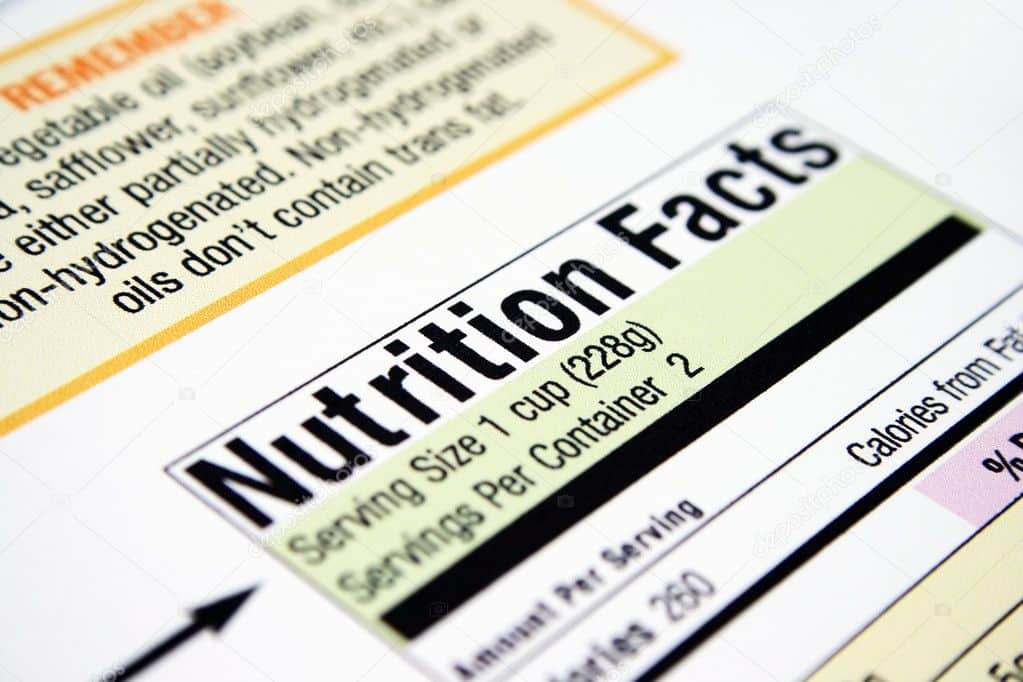
What Food Labels Really Tell You About Food Poisoning Risk

Related Posts
Add A Comment