

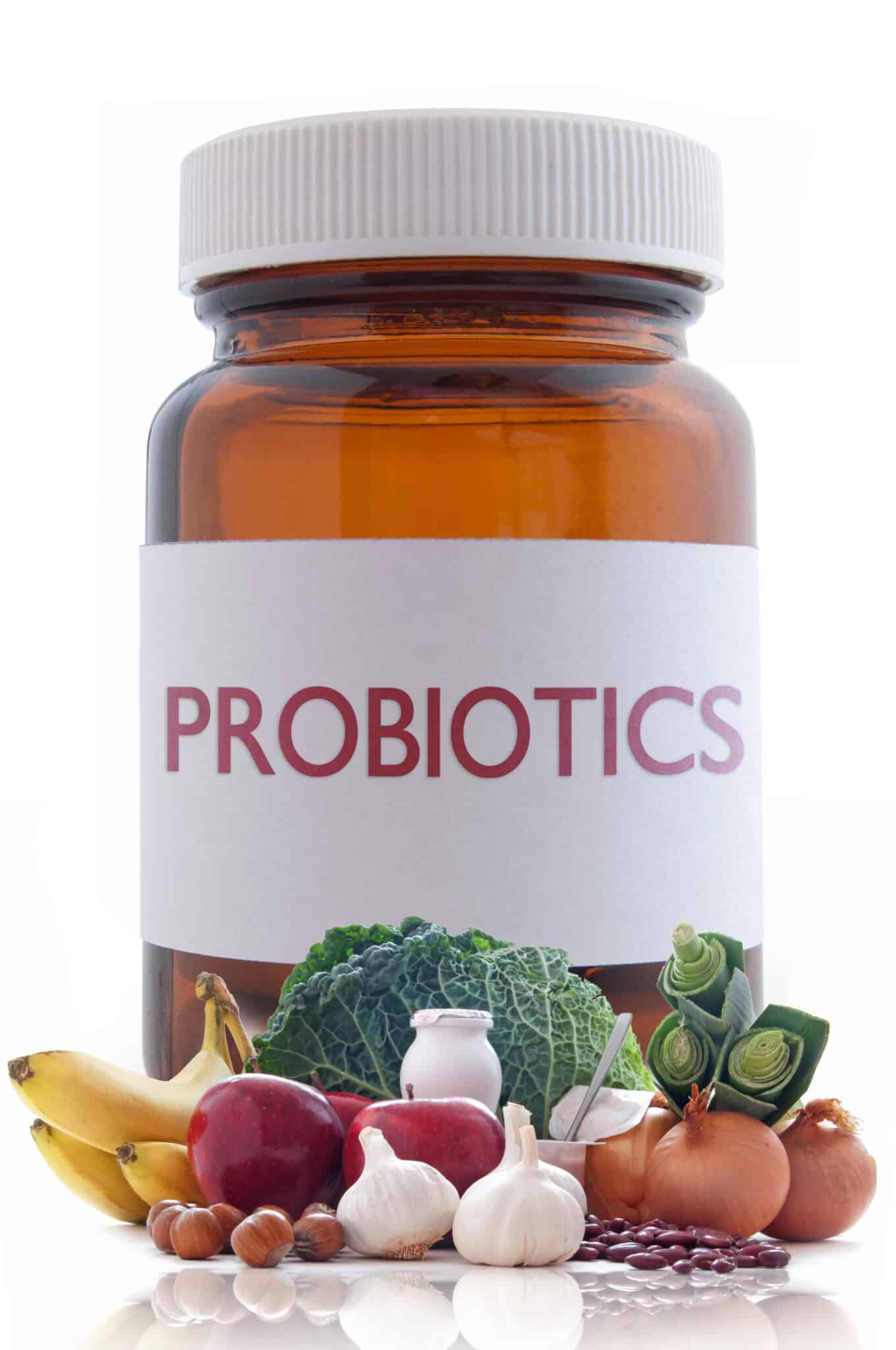

For generations, the connection between certain fermented foods and good health was understood through tradition and observation, not microbiology. Today, science is unraveling the precise mechanisms behind this ancient wisdom, revealing a compelling narrative of microscopic warfare within our gut. At the forefront are probiotics—live beneficial bacteria and yeasts—which are now recognized not merely as digestive aids but as active defenders against the pathogens that cause foodborne illness. As concerns over food safety and antibiotic resistance grow, these microscopic allies are emerging as a powerful, natural strategy for prevention and resilience.
Foodborne diseases remain a persistent global challenge, causing millions of illnesses annually. The journey of a harmful bacterium like Salmonella or E. coli—from contaminated food to a debilitating infection—culminates in the human gut. It is here, within the complex ecosystem of the intestinal tract, that the decisive battle for health is often fought. Probiotics operate on this front line, employing a multi-faceted arsenal to outcompete, inhibit, and disarm invading pathogens. This evolving field of research is moving beyond general wellness claims, offering a detailed picture of how specific microbial strains can fortify our defenses and contribute to a safer food system for everyone.
The Gut as a Battleground: How Probiotics Establish a Defense
The human gastrointestinal tract is home to trillions of microorganisms, collectively known as the gut microbiota. This community plays a crucial role in health, and its balance is delicate. Factors like poor diet, stress, and particularly the use of antibiotics can disrupt this balance, a state known as dysbiosis. Dysbiosis creates an opportunity for harmful, pathogenic bacteria to gain a foothold, multiply, and cause infection.
Probiotics help prevent this by supporting a healthy, resilient microbial community. They are not permanent residents but transient reinforcements that exert their beneficial effects during their passage through the gut. To be effective, they must survive the harsh acidic environment of the stomach, tolerate bile salts, and then actively function in the intestines. Once established, they engage pathogens through several direct and indirect tactics that have been increasingly well-documented by researchers.
One of the most straightforward strategies is competitive exclusion. Space and resources in the gut are limited. Probiotics compete with pathogens for essential nutrients and for physical binding sites on the intestinal lining. By consuming available nutrients and adhering to the epithelial cells that line the gut, beneficial bacteria effectively crowd out harmful ones, leaving them with nowhere to attach and nothing to feed on. This simple principle of competition is a foundational probiotic defense mechanism.
Beyond competition, many probiotic strains are active microbial assassins. They produce a range of natural antimicrobial substances that directly inhibit or kill pathogens. These include organic acids like lactic and acetic acid, which lower the local pH to levels intolerable for many harmful bacteria. Some probiotics also produce hydrogen peroxide and specialized protein compounds called bacteriocins, such as the well-known nisin. Bacteriocins act like targeted missiles, disrupting the cell walls of specific pathogens and causing them to break apart.
A more sophisticated tactic involves sabotaging communication. Many pathogens rely on a process called quorum sensing, where they release chemical signals to coordinate group behavior and unleash their full virulence once their population reaches a critical mass. Certain probiotics can interfere with these signals, effectively “jamming” the pathogens’ communications. This disruption prevents the invaders from mounting a coordinated attack, blunting their ability to cause severe illness.
Fortifying the Inner Fortress: Strengthening the Host’s Defenses
Probiotics do not just attack the enemy; they also reinforce the body’s own defenses. A primary line of defense is the intestinal barrier—a single layer of epithelial cells sealed together by structures called tight junctions. This barrier acts as a smart wall, allowing nutrients to pass while blocking toxins and pathogens from entering the bloodstream. Inflammation and infection can weaken these tight junctions, leading to a “leaky gut” where harmful substances seep through.
A significant body of research shows that probiotics play a key role in strengthening this barrier. A 2023 systematic review and meta-analysis of human trials concluded that probiotic supplementation significantly improved key markers of gut barrier integrity. Probiotics help regulate the proteins that form tight junctions and stimulate the production of protective mucus, creating a more robust physical shield against intruders.
Simultaneously, probiotics engage in immune system modulation. The gut houses a large portion of the body’s immune cells, and the microbiota constantly interacts with them. Probiotics help train and balance this immune response. They can stimulate the production of antibodies and enhance the activity of protective immune cells, priming the body to respond more swiftly to an invader. Importantly, they also help regulate the immune system, preventing the excessive inflammation that often causes the most severe symptoms of foodborne illness. By calming an over-reactive immune response, probiotics can reduce the collateral damage to the host’s own tissues during an infection.
From Prevention to Alleviation: The Evidence for Symptom Relief
The theoretical mechanisms of probiotics are strongly supported by clinical evidence showing their impact on actual health outcomes. Their most well-established benefit is in preventing and reducing the severity of various forms of diarrhea, a hallmark symptom of foodborne infection.
A 2025 umbrella meta-analysis, which synthesized data from numerous earlier studies, found that probiotic supplementation was associated with a significant reduction in the risk of several gastrointestinal symptoms. Most notably, it cut the relative risk of diarrhea by more than half. The analysis also found significant benefits for nausea, bloating, and epigastric pain. While the quality of the underlying studies varied, this large-scale review points to a consistent positive effect. Other reviews have noted probiotic efficacy in managing infectious diarrhea, antibiotic-associated diarrhea, and other gut-related disorders.
The effectiveness can depend on several factors. The 2025 meta-analysis suggested that formulations containing multiple probiotic strains often showed more pronounced effects than single-strain products, likely because different strains can work synergistically, attacking a problem through different mechanisms. The duration of use also matters, with shorter-term interventions (around 2-4 weeks) sometimes showing stronger effects in the research for acute symptom prevention.
It is crucial to understand that “probiotic” is not a single entity. Benefits are strain-specific, meaning that a health effect proven for Lacticaseibacillus rhamnosus GG does not automatically apply to all other L. rhamnosus strains or to a different genus like Bifidobacterium. The science is progressing toward identifying which specific strains are most effective against particular pathogens, paving the way for more targeted applications in the future.
Probiotics in Our Food: From Cultured Dairy to Clean-Label Preservation
The application of probiotics extends far beyond capsule supplements; it is woven into the history of our food supply. For millennia, humans have consumed fermented foods teeming with live, beneficial cultures. Traditional fermented foods are natural probiotic sources. Yogurt, kefir, kimchi, sauerkraut, miso, and certain pickles are produced through fermentation driven by lactic acid bacteria (LAB), which are common probiotics. When we eat these foods, we are consuming a diverse community of microbes that can confer health benefits.
The modern food industry is building on this tradition by intentionally fortifying a wide range of products with specific, studied probiotic strains. While dairy products like yogurt and cheese remain dominant carriers due to their protective, fat-rich matrix, innovation is rapidly expanding. Today, you can find probiotics in plant-based yogurts and milks, fermented cereals and juices, snack bars, and even some types of chocolate and ice cream. The goal is to deliver viable probiotics in appealing, everyday foods, though challenges remain in ensuring the microbes survive processing and storage to arrive alive and active in the gut.
Perhaps one of the most forward-looking applications is in food biopreservation. In an era where consumers increasingly seek “clean-label” products free from synthetic additives, probiotics and their byproducts offer a natural alternative to chemical preservatives. Certain probiotic strains, when added to foods, can produce antimicrobial substances like bacteriocins that suppress the growth of spoilage organisms and pathogens like Listeria. Furthermore, scientists are exploring the use of postbiotics—the inactivated microbial cells or their metabolic byproducts. These include purified bacteriocins or organic acids that can be added directly to food as natural preservatives. Since they are not alive, postbiotics face fewer stability challenges and still offer potent antimicrobial action, representing a promising frontier for natural food safety.
Analysis and Next Steps
The landscape of probiotic science is moving from a generalized concept of “gut health” to a more precise understanding of microbial mechanics, revealing a powerful, natural defense system against foodborne threats. What’s new is the granular detail with which researchers are now mapping these interactions—identifying how specific probiotic strains disrupt pathogen communication through quorum sensing, produce targeted bacteriocin weapons, and engineer the gut environment to favor health. This matters because it transforms probiotics from a blanket supplement into a potential targeted tool, one that could be strategically deployed to prevent illness and complement traditional food safety measures.
This shift in understanding affects everyone. Consumers benefit from more effective, natural options for maintaining digestive resilience and from a growing market of “clean-label” foods preserved by biological rather than chemical means. For the food industry, it presents an opportunity to meet consumer demand for natural preservation and functional health foods, though it requires navigating technical hurdles like maintaining microbial viability. Public health systems have a vested interest in exploring all avenues that could reduce the immense burden of foodborne disease, and probiotics represent a promising, preventative layer of protection.
The path forward involves several key steps. For individuals, incorporating a variety of traditionally fermented foods into the diet is a sensible starting point. For those considering supplements, especially to counter the effects of antibiotics or while traveling, seeking products with strains clinically studied for specific benefits, such as Saccharomyces boulardii for diarrhea, is advisable. It is also important to remember that probiotics are generally safe for healthy individuals but should be used with caution by those who are severely immunocompromised, as there is a rare risk of infection.
For scientists and industry, the work lies in continued strain discovery and rigorous, high-quality human trials to solidify the evidence base. Future progress also hinges on overcoming technological challenges in food production to ensure probiotics survive from factory to gut and in exploring the stable, potent world of postbiotic preservatives. Ultimately, as we deepen our alliance with these beneficial microbes, we strengthen our own defenses, harnessing an ancient partnership to build a safer, healthier future.
