

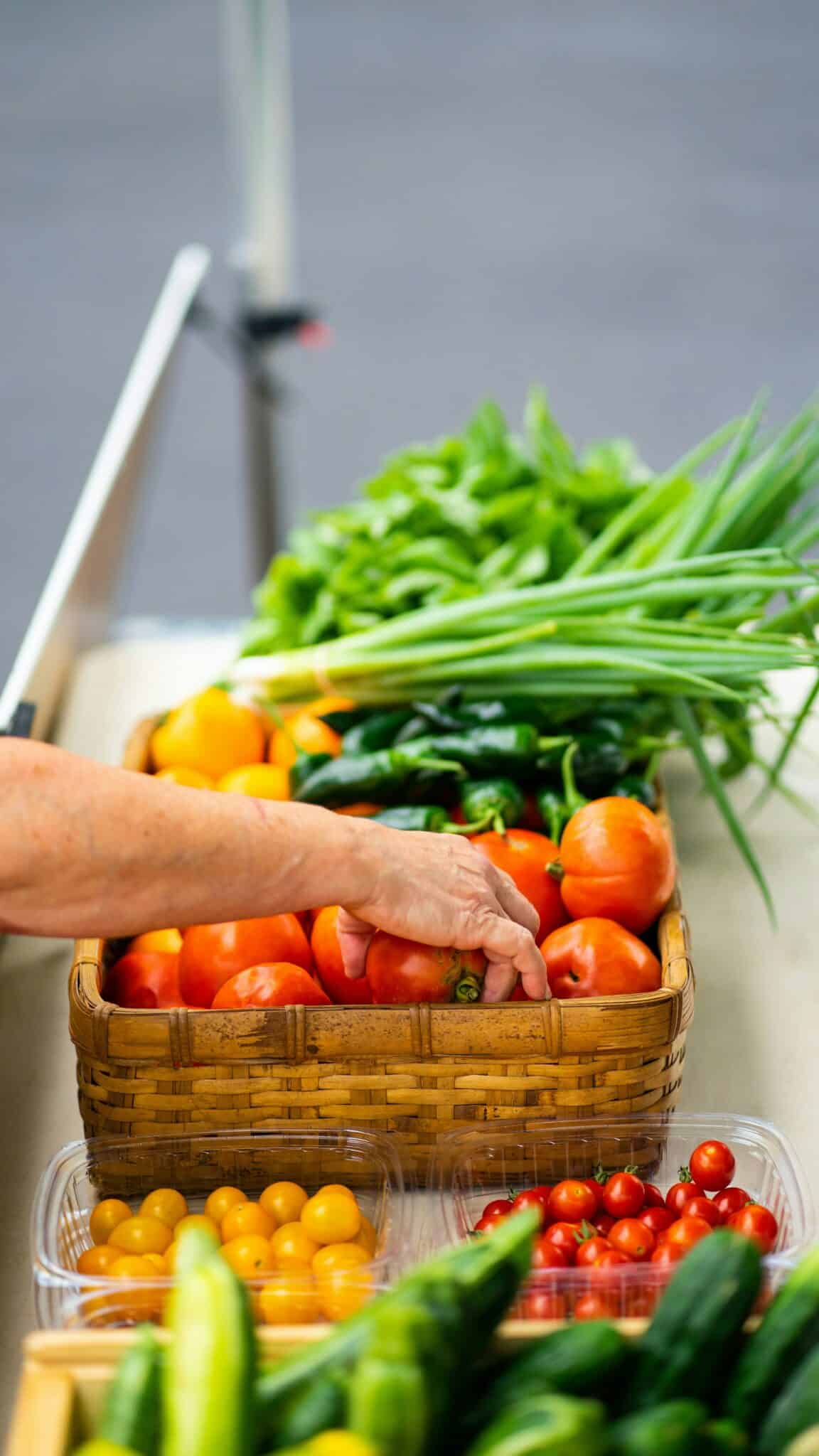

Parents of picky eaters often end up stuck between two worries: children’s vegetable consumption stays low, and every dinner can turn into a tense stand-off. Add real child nutrition challenges, strong tastes, sensitive textures, unpredictable appetites, and it’s easy to feel like “healthy eating” means constant negotiating. For families already vigilant about food safety and recalls, the pressure can climb even higher when the goal is to serve fresh, wholesome foods without triggering stress. A calmer set of parenting strategies for healthy eating can build real vegetable appreciation in kids.
Try Kid-Approved Ways to Make Veggies More Fun
Keep the no-pressure vibe: your job is to offer, not to force. These ideas are quick to test, easy to repeat, and flexible enough to fit whatever your child will tolerate this week.
- Build a “tiny taste” veggie board: Put 4–6 bite-size options on a plate (cucumber coins, steamed carrots, snap peas, cherry tomato halves, shredded lettuce, roasted sweet potato cubes) plus 1–2 dips. Start with a “one bite is brave” rule and let them choose the order, control lowers resistance. For food safety, keep cold items refrigerated until serving and toss dips/boards that sit out longer than 2 hours.
- Change the shape, change the verdict: Kids often reject the form, not the vegetable. Try a wide array of vegetables with different preparation, raw sticks one day, roasted “fries” the next, and quick-sautéed ribbons another day. Keep seasoning simple: a pinch of salt, garlic powder, or parmesan can make a big difference.
- Use playful presentation (without extra work): Turn veggies into “rainbows” (rows of red pepper, orange carrot, yellow corn, green peas) or “faces” on a plate (cucumber eyes, pepper smile). Serve “dip dots” instead of a big blob, small portions look less intimidating. If your child likes routines, make it a weekly theme like Taco Tuesday with shredded lettuce + tomato confetti.
- Sneak veggies into familiar favorites, then name them casually: Add grated zucchini or carrots to meatballs, finely chopped mushrooms to taco meat, or riced cauliflower to mac and cheese (start with 1–2 tablespoons per serving and increase slowly). Blend spinach into pasta sauce or stir pureed pumpkin into oatmeal. Keeping it low-drama helps picky eaters feel safe, and over time you can “reveal” the ingredient as confidence grows.
- Try veggie-based smoothies that still taste like fruit: Use a reliable formula: 1 banana + 1 cup frozen fruit + a handful of spinach + yogurt or milk, then blend until totally smooth. Research found preschoolers rated at least one green smoothie “yummy,” and kids consumed 8 ounces of their preferred smoothie when it was offered as a snack. For safety, wash produce, use pasteurized juice/dairy, and refrigerate leftovers right away.
- Give your child a real cooking role (with clean hands): Offer two choices: “Do you want to rinse the peppers or tear the lettuce?” or “Should we roast broccoli or steam it?” Have them shake seasoning in a jar, arrange veggies on a tray, or press cookie cutters into cucumber slices. Wash hands with soap and water before cooking and after touching raw eggs/meat, and keep a separate cutting board for produce if you’re also prepping raw proteins.
Turn Produce Shopping Into a “Veggie Quest” With a Custom Tote
Once you’ve made veggies feel more playful at home, bring that same energy to the place where the choices happen: the produce aisle. Turn shopping into a mini “veggie quest” by letting your child design their own reusable produce tote bag that they’ll be proud to carry to the grocery store or farmers market.
Using simple online design tools like a tote bag design template, they can create a look that feels totally theirs, think colorful vegetable illustrations, funny slogans, or a lineup of their favorite healthy foods. When kids get to make the bag and then use it to “collect” the produce, they’re not just tagging along; they’re helping choose what goes in the cart.
That sense of ownership matters: when they’ve designed the tote and filled it with produce they picked themselves, many kids feel more invested, and more curious about tasting the vegetables they helped choose.
Simple Habits That Make Veggies a Normal Win
Small, repeatable exposures help kids build comfort without pressure, and they also help you keep prep and food safety steady when life gets busy. Since only 6.3% of Australian children eat the recommended vegetables, consistency matters more than perfection.
Two-Bite Explorer
- What it is: Offer two small bites of one vegetable, with an easy “no thanks” option.
- How often: Daily
- Why it helps: Repeated low-pressure tries build acceptance over time.
Wash-and-Chill Produce Reset
- What it is: Rinse, dry, and refrigerate ready-to-eat veggies in clear containers.
- How often: Twice weekly
- Why it helps: Fast access increases tasting, and clean storage reduces risk.
Color-of-the-Day Choice
- What it is: Let your child pick one veggie color to add at a meal.
- How often: Daily
- Why it helps: Choice lowers resistance and keeps variety simple.
Vegetable Wins: Common Parent Questions
Q: What if my child refuses every vegetable, every time?
A: Refusal is common and usually means “not yet,” not “never.” Keep the offer small and calm, then move on without bargaining. Try changing the form (raw sticks, roasted coins, blended into sauce) so they can meet the same veggie in a new way.
Q: How much is enough if they only eat a bite or two?
A: Tiny amounts still count as practice, and practice builds acceptance. Focus on frequency and variety across the week instead of “finishing the serving” at one meal. Celebrate attempts, not volume.
Q: When should I worry that picky eating is affecting nutrition?
A: If growth, energy, or mood seem off, or their diet is extremely limited, check in with a pediatrician or dietitian. In the meantime, offer one familiar “safe” food alongside a low-pressure veggie so meals stay steady.
Q: How can I keep cut veggies safe for lunchboxes and snack plates?
A: Wash hands and tools, rinse produce, and refrigerate prepped veggies promptly in clean containers. Pack cold items with an ice pack and toss anything that sits warm for hours. When in doubt, keep it simple and keep it chilled.
Q: Should I switch my kid to gluten-free to reduce inflammation or improve health?
A: For most kids, there’s less benefit to eating gluten-free unless medically necessary, so it can add stress without helping. Put that energy into fun veggie exposure and balanced meals instead.
Turning Veggie Pressure Into Long-Term Enjoyment for Kids
When kids resist vegetables, it can feel like every meal turns into a standoff, especially when food safety and nutrition are on your mind. The steadier path is a calm, low-pressure approach: keep offering vegetables, model eating them, and lean on positive reinforcement strategies that make trying feel safe. Over time, motivating children to eat vegetables becomes less about negotiations and more about trust, routine, and confidence, backed by real parental support for healthy eating. Consistency and curiosity beat pressure when raising kids who enjoy vegetables. Choose your next 2 steps, one veggie to offer again and one small praise phrase, and repeat them for a week. Those small wins build the kind of long-term vegetable enjoyment in kids that supports health and family connection.
