

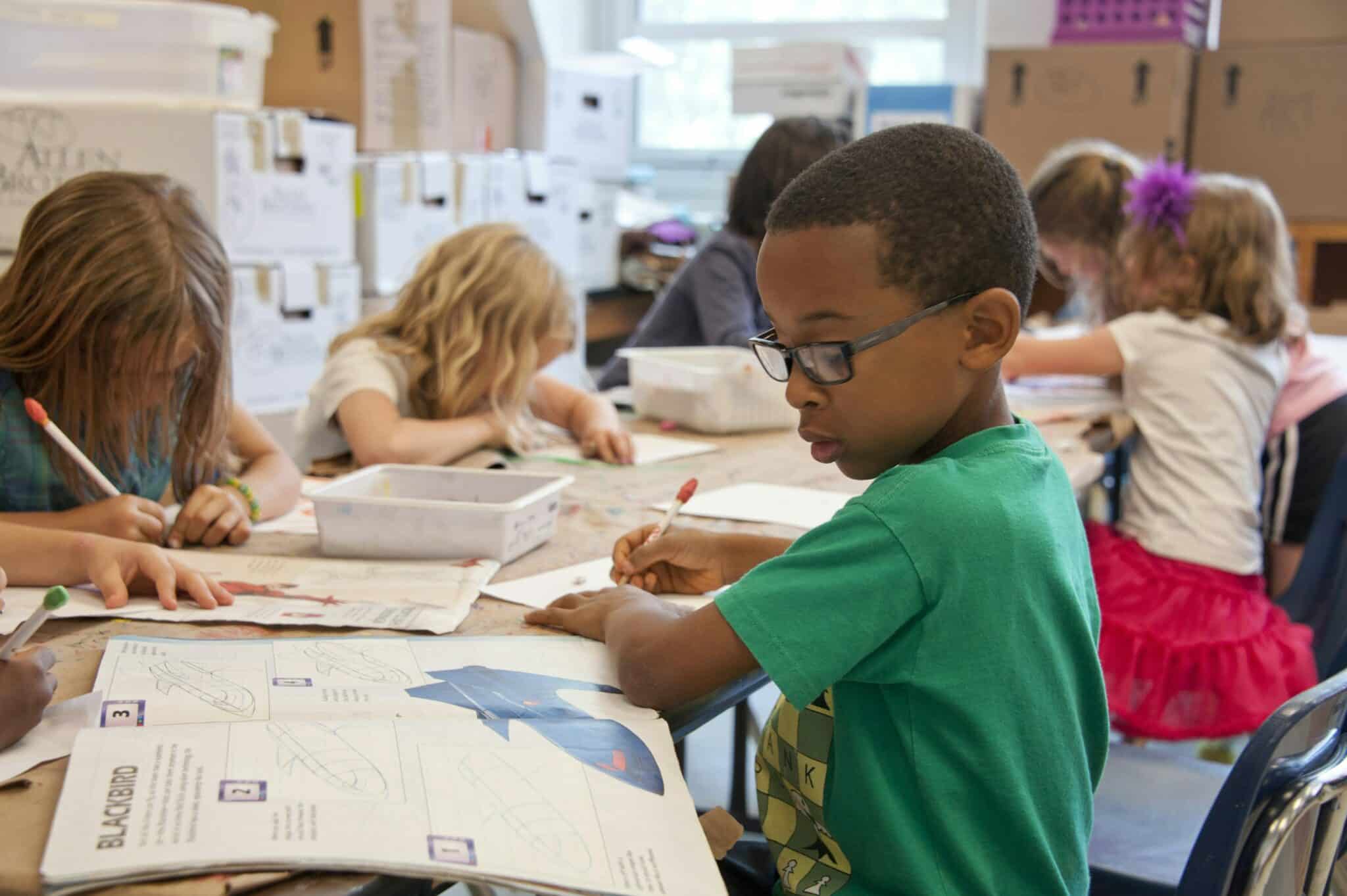

As classrooms reopen, safeguarding children’s health extends beyond vaccines and hand sanitizer. The contents of their lunch boxes demand careful awareness. Foodborne pathogens don’t take sick days, and simple missteps in lunch preparation can lead to serious illness. Implementing science-backed food safety practices ensures midday meals fuel learning without risk.
Foundation of Safety: Hygiene and Temperature Control
Every safe lunch begins with clean hands. Washing with soap and warm water for a full 20 seconds eliminates bacteria that could transfer to sandwiches, fruits, and snacks. This step is non-negotiable before handling any food items. Equally critical is sanitizing countertops, knives, and lunch containers with hot, soapy water. Perishable foods like yogurt, deli meats, and cut melon require immediate refrigeration after preparation. These items must stay below 40°F until lunchtime to halt bacterial growth in the “Danger Zone,” the temperature range between 40°F and 140°F where pathogens multiply rapidly. Preparing lunches the night before streamlines hectic mornings while keeping ingredients safely chilled.
The Wash Rule: Handling Produce Correctly
Fresh fruits and vegetables, whether packed whole or sliced, carry surface contamination risks. Even items with inedible peels like oranges or bananas should undergo thorough rinsing under cool running tap water. Drying produce with clean paper towels further reduces microbial transfer. Pre-cut commercial produce offers convenience but still requires refrigeration and should be consumed by the “use by” date.
Intelligent Packing: Cold and Hot Systems
Insulated lunch bags are mandatory for perishable foods. Flimsy paper sacks fail to maintain safe temperatures and risk leakage. For optimal cooling, place two frozen gel packs around perishable items, one above and one below. Chilling the insulated bag overnight boosts its effectiveness. Alternatively, frozen juice boxes or water bottles serve dual purposes as cold sources and hydrating beverages. Hot soups, stews, or pasta require specialized handling. Preheat insulated containers by filling them with boiling water, letting them stand for five minutes, emptying, then immediately adding piping-hot food (at least 140°F). Tightly sealed lids preserve both heat and safety.
Lunchtime Protocols for Children
Students should store lunches away from heat sources like radiators or sunny windowsills whenever possible. Discarding all perishable leftovers after eating is crucial, as bacteria thrive on uneaten food left at room temperature. Handwashing with soap before eating remains essential. Many schools now provide refrigerator space for lunch bags, a valuable option worth confirming with teachers.
Critical Allergen Awareness
In shared classroom environments, common allergens like peanuts, tree nuts, and sesame pose significant risks. Many schools enforce nut-free policies, but when packing these items is permitted, double-bagging and clear labeling prevent accidental exposure. Non-food cold sources like gel packs eliminate allergy concerns entirely.
The Leftover Rule and Gear Maintenance
Any perishable food remaining in lunch bags after two hours outside refrigeration must be discarded. Insulated bags require daily cleaning with hot, soapy water to prevent bacterial buildup in seams and pockets. Avoid reusing plastic bags that previously held raw meats, as invisible contaminants linger.
Streamlining Safety
Shelf-stable options simplify packing while eliminating temperature concerns. Whole, uncut fruits; nut-free granola bars; commercially packaged shelf-stable cheeses; and ultra-high-temperature (UHT) pasteurized milk require no ice packs. These reliable choices provide balanced nutrition while reducing food safety workloads for busy families.
