

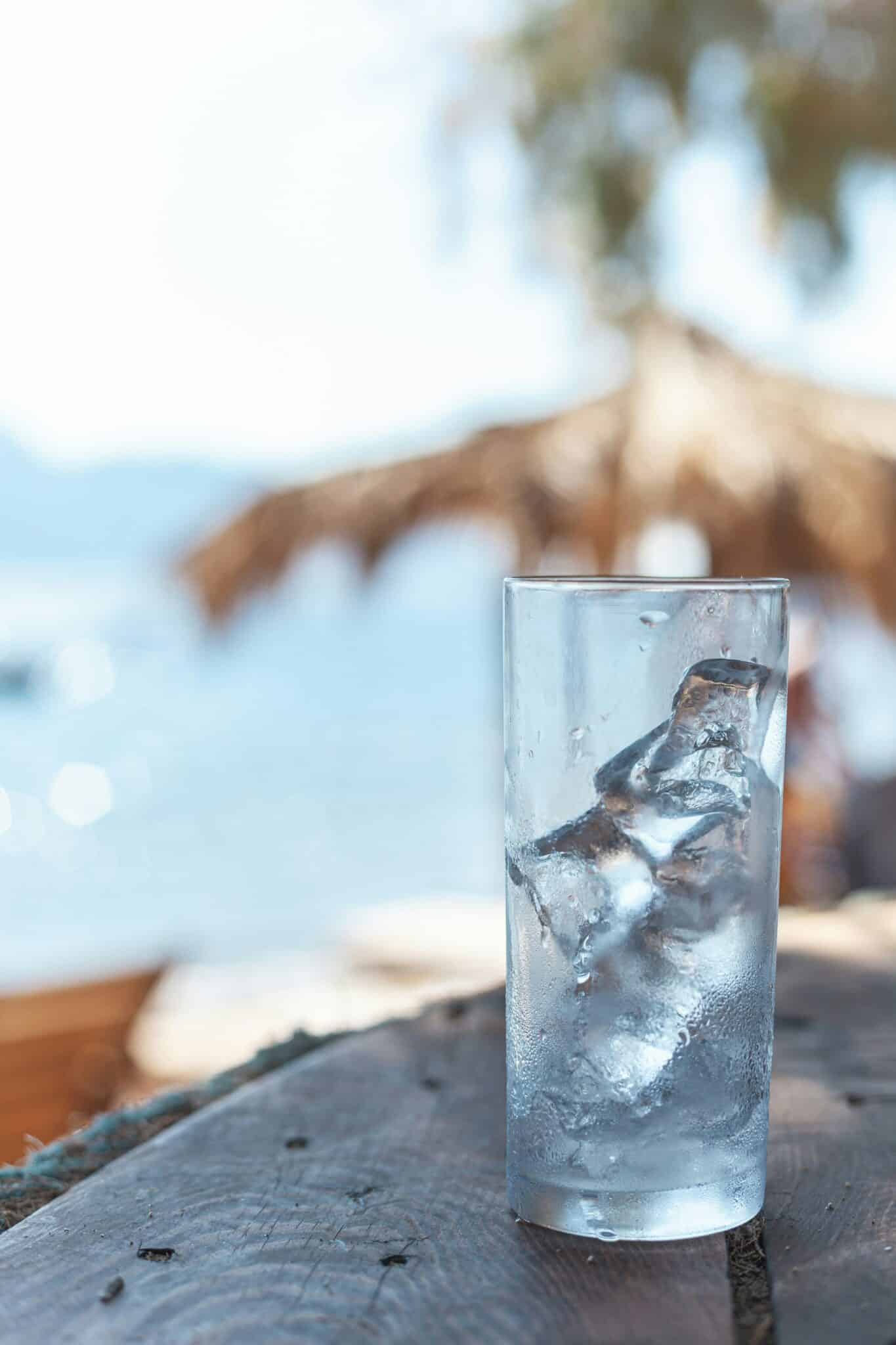

When you order a cold drink at a restaurant or fill your glass with ice at home, the last thing on your mind is the possibility of getting sick. Ice cubes seem innocuous—just frozen water, right? However, the reality is that ice cubes can be a surprising source of foodborne illness. Contaminated water or unsanitary ice machines can turn those seemingly harmless cubes into carriers of harmful bacteria, viruses, and parasites. This article explores how ice cubes can lead to food poisoning, the risks involved, and what you can do to protect yourself.
The Science Behind Ice Contamination
At its core, ice is just water in solid form. But if the water used to make the ice is contaminated, the ice itself can become a vehicle for pathogens. Common culprits include bacteria like E. coli and Salmonella, viruses such as norovirus, and parasites like Giardia. These microorganisms can cause a range of symptoms, from mild stomach discomfort to severe dehydration and even life-threatening complications.
The freezing process does not kill most pathogens. While freezing can slow down the growth of bacteria and viruses, it doesn’t eliminate them. When the ice melts in your drink, these microorganisms can become active again, potentially leading to food poisoning. This is why the quality of the water used to make ice is so critical.
How Ice Becomes Contaminated
There are several ways ice can become contaminated, and the risks often begin long before the ice reaches your glass. Here are some of the most common sources of contamination:
- Contaminated Water Supply – If the water used to make ice contains harmful microorganisms, the ice will too. This can happen in areas with inadequate water treatment facilities or when water sources are compromised by sewage leaks, agricultural runoff, or natural disasters.
- Dirty Ice Machines – Ice machines, especially those in restaurants, bars, and hotels, can become breeding grounds for bacteria and mold if not cleaned regularly. Moist, dark environments provide the perfect conditions for pathogens to thrive. Studies have found that some ice machines harbor coliform bacteria, yeast, and even E. coli.
- Improper Handling – Even if the ice is made from clean water and stored in a sanitized machine, it can still become contaminated if handled improperly. For example, using bare hands to scoop ice or storing ice in unclean containers can introduce bacteria.
- Cross-Contamination – Ice can also become contaminated if it comes into contact with dirty surfaces or utensils. For instance, if a scoop used to handle raw meat is then used to scoop ice, the ice can become contaminated with bacteria like Salmonella.
Real-Life Cases of Ice-Related Illness
While cases of food poisoning from ice cubes are not as widely reported as other foodborne illnesses, they do occur. In 2017, an outbreak of norovirus at a luxury hotel in the United States was traced back to contaminated ice machines. Dozens of guests fell ill, experiencing symptoms like vomiting, diarrhea, and stomach cramps. Investigations revealed that the machines had not been cleaned properly, allowing the virus to spread.
In another case, a popular fast-food chain faced a lawsuit after several customers reported becoming ill after consuming beverages with ice. Tests revealed that the ice contained high levels of coliform bacteria, which are often found in fecal matter. The source of the contamination was traced to a malfunctioning water filtration system.
These incidents highlight the importance of proper ice hygiene and the potential consequences of neglecting it.
How Businesses Ensure Ice Safety
For businesses that serve ice, maintaining high standards of hygiene is essential to prevent contamination. Here are some of the measures they take:
- Regular Cleaning and Maintenance – Ice machines should be cleaned and sanitized regularly to prevent the buildup of bacteria and mold. This includes cleaning the interior surfaces, replacing water filters, and inspecting the machine for signs of wear and tear.
- Using Food-Grade Materials – Ice machines and storage bins should be made from food-grade materials that are easy to clean and resistant to bacterial growth.
- Proper Handling Practices – Employees should be trained to handle ice safely, using clean scoops and avoiding direct contact with their hands. Ice storage containers should be kept covered to prevent contamination from airborne particles.
- Water Quality Testing – Businesses should regularly test the water used to make ice to ensure it meets safety standards. This is especially important in areas where the water supply may be compromised.
What Consumers Can Do to Protect Themselves
While businesses have a responsibility to ensure the safety of the ice they serve, consumers can also take steps to reduce their risk of food poisoning from ice cubes. Here are some practical tips:
- Be Observant – When dining out, take note of the cleanliness of the establishment. If the restaurant or bar looks unsanitary, there’s a good chance the ice machine is too.
- Ask About Ice Sources – If you’re traveling to a region with questionable water quality, ask if the ice is made from filtered or bottled water. In some countries, it’s safer to avoid ice altogether.
- Inspect the Ice – While it’s not always easy to tell if ice is contaminated, cloudy or discolored ice can be a red flag. Clear ice is generally a sign of better quality.
- Use Ice Alternatives – If you’re concerned about the safety of ice, consider using alternatives like chilled bottled beverages or frozen fruit to cool your drinks.
- Clean Your Ice Maker at Home – If you have an ice maker at home, make sure to clean it regularly according to the manufacturer’s instructions. This will help prevent the buildup of bacteria and mold.
The Role of Regulation and Oversight
Government agencies play a crucial role in ensuring the safety of ice. In the United States, the Food and Drug Administration (FDA) regulates ice as a food product, meaning it must meet the same safety standards as other foods. Health inspectors routinely check ice machines and water supplies in restaurants and other food service establishments to ensure compliance with these standards.
However, enforcement can vary depending on the region, and not all countries have the same level of oversight. This is why it’s important for consumers to stay informed and take precautions, especially when traveling internationally.
The Bottom Line
While the idea of getting food poisoning from ice cubes might seem far-fetched, it’s a real possibility that shouldn’t be ignored. Contaminated water, dirty ice machines, and improper handling can all turn those innocent-looking cubes into a source of illness. By understanding the risks and taking proactive steps to protect yourself, you can enjoy your cold drinks without worrying about what’s lurking in the ice.
As awareness of this issue grows, businesses and regulators are likely to place even greater emphasis on ice safety. In the meantime, staying alert and informed is your best defense against the hidden dangers of contaminated ice. After all, when it comes to your health, it’s better to be safe than sorry.
Commenting on this article, the nation’s leading Salmonella lawyer said, “Frozen doesn’t mean safe—dirty ice can carry hidden dangers just as easily as spoiled food. Unfortunately that negligence can lead to days of suffering for many people.”
