

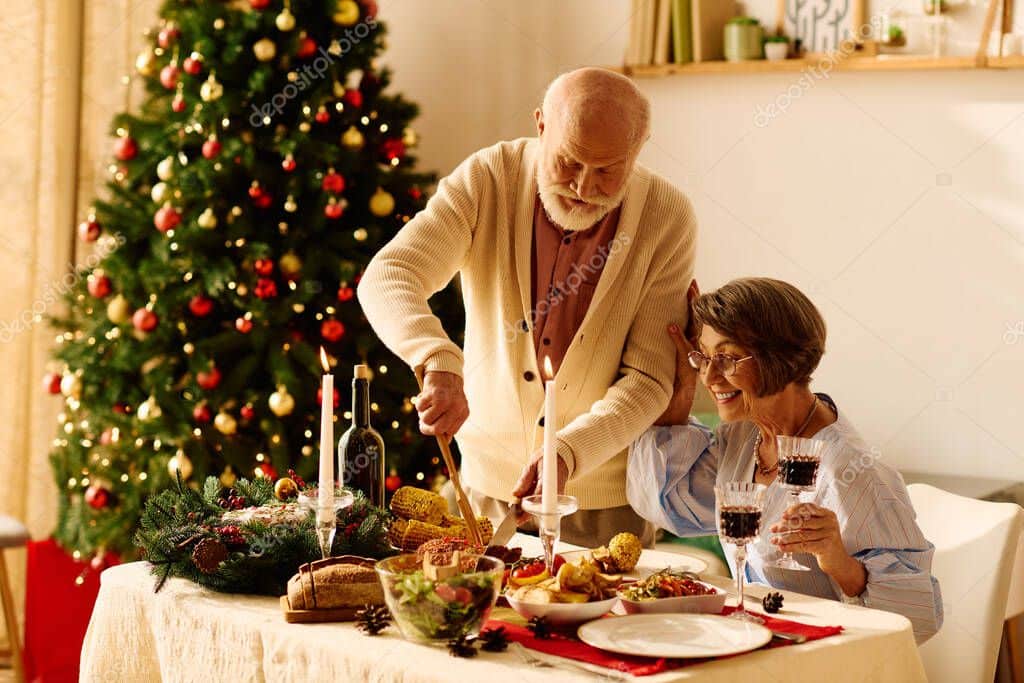

Winter is the season of warmth. When the air turns sharp and trees lose their leaves, people instinctively move closer to the kitchen. Ovens glow, stovetops simmer, and homes fill with the smells of cinnamon, butter, roasted meats, and everything nostalgic. Families gather around crowded tables, students return home craving meals they’ve missed, and holiday traditions take center stage in kitchens everywhere.
But as the cold months encourage more cooking—and more comfort food—something surprising happens behind the scenes: food poisoning quietly increases, not from restaurants or takeout, but from our own winter habits. The meals that bring everyone together are often the ones most susceptible to dangerous mishandling, simply because winter encourages us to cook differently, store differently, and relax our usual precautions.
The Comfort Food Mindset
Something changes when it’s cold outside. People crave dishes that feel rich, creamy, slow-cooked, and indulgent. Casseroles baked in large pans, soups simmering for hours, baked pastas covered in cheese, warm desserts dripping with caramel—comfort foods that feel safe, filling, and familiar. These dishes are emotionally grounding, especially during a stressful season.
However, the psychology of “comfort food” can also make people less vigilant. When a dish looks wholesome and homemade, they assume it’s safer, forgetting that many of these foods contain ingredients that spoil quickly. Cream, dairy, broth, eggs, butter, turkey, and beef—winter staples—are all foods that demand precise temperature handling. But during the holidays, that precision often disappears beneath the excitement of cooking for loved ones.
Slow Cooking Isn’t Always Safe Cooking
Winter is peak season for crockpots and slow cookers. They’re convenient, especially when family gatherings fill the calendar. But slow cookers, when misused, create subtle risks. Many people plug one in while running errands or wrap gifts in another room, assuming “low and slow” is automatically safe. But if ingredients start too cold or too crowded in the pot, they may sit in the danger zone for hours before reaching a safe temperature.
And if the power flickers during a winter storm? Most people don’t even realize the cooker turned off. They come back to a warm—not hot—dish and serve it without a second thought.
Big Batch Cooking Creates Big Batch Problems
Winter meals tend to be made in bulk. Families prepare massive batches of chili, trays of lasagna, whole turkeys, or big pots of potato soup. But large dishes cool down very slowly. That cooling window is crucial—if food stays warm for too long on the counter, bacteria grow rapidly, even while the dish still feels “fresh.”
People also tend to graze during winter gatherings. A casserole sits out while relatives take bites, head to the living room, and come back again. Soups cool on the stove long after dinner ends. Desserts with dairy toppings sit out while everyone lingers over conversation. Time stretches differently during holiday meals, and food often becomes an afterthought in the glow of the evening.
Winter Travel Complicates Everything
Travel is a defining part of the season. Many people drive hours—or even states—home for the holidays. Students transport desserts in cars overfilled with luggage, and families carry reheated dishes from house to house.
But winter weather changes how food behaves. Cars may feel freezing when first started, then warm up quickly as the heater blasts on. A dish that seemed chilled when placed in the backseat can warm to unsafe temperatures during a long trip.
And once people arrive, dishes often sit in warm rooms waiting for the full group to gather. The timing becomes unpredictable—traffic, weather delays, and last-minute errands all shift meal schedules. The careful planning behind the dish often unravels by the time it’s served.
Refrigerators Struggle in Winter—Not Because They Break, But Because We Overfill Them
Holiday refrigerators are comedic in how chaotic they become. Every inch of space is packed with leftovers, casseroles, store-bought ingredients, pies, drinks, and half-used containers. Overstuffing isn’t just inconvenient—it actually makes refrigerators warm up. Cold air can’t circulate when shelves are jammed, meaning certain spots rise above safe temperatures without anyone noticing.
This is one of the most common winter food safety failures: we put all our trust in our fridge just when it’s struggling the most.
A Short List — Winter Comfort Foods Most Likely to Go Wrong
Only one small list, as requested. These dishes become unsafe fastest during winter gatherings:
- Cream-based soups, potato dishes, and casseroles
- Poultry or ground-meat dishes that cool slowly or get reheated multiple times
Again, not because they’re “bad” foods—but because winter changes how we handle them.
The Holiday Social Rhythm Makes People Forgetful
When a home fills with guests, the kitchen becomes a place of conversation, laughter, and noise. It’s easy to lose track of how long a dish has been sitting out or whether leftovers were stored properly. People linger at the table, refill plates, drift into the living room, or step outside for fresh air, and time becomes blurry.
When Warmth Feels Safe, Caution Slips
The sensory warmth of winter—cozy lighting, soft blankets, steaming plates—creates a feeling of protection. People trust food that looks hearty and homemade, and they trust themselves because the routines feel familiar. But winter conditions often demand more attention, not less.
Snow keeps people indoors longer, meaning food sits out longer. Dark evenings make people rely on sight, not temperature. And cold air outside tricks people into believing their homes—and their food—are colder than they really are.
Awareness Makes the Season Safer, Not Less Joyful
The goal isn’t to make comfort foods feel dangerous; it’s to recognize how winter changes the entire rhythm of cooking and eating. When people understand the subtle shifts—longer serving times, unpredictable weather, crowded fridges—they can adjust with small habits that keep meals safe.
Simple steps like cooling dishes in shallow containers, reheating thoroughly, or storing leftovers sooner make a significant difference, without taking away the joy of the season. Winter is about connection, tradition, and warmth. It’s about families gathering after long months apart and students returning to kitchens that smell like childhood.
Food is central to all of it. And with a bit more awareness, those warm ovens and big winter meals will bring comfort—not consequences.
