


The U.S. Food and Drug Administration (FDA) has concluded two separate investigations into cyclospora outbreaks in North Carolina, identifying sources of illness that impacted more than 100 individuals across the state, according to wral.com.
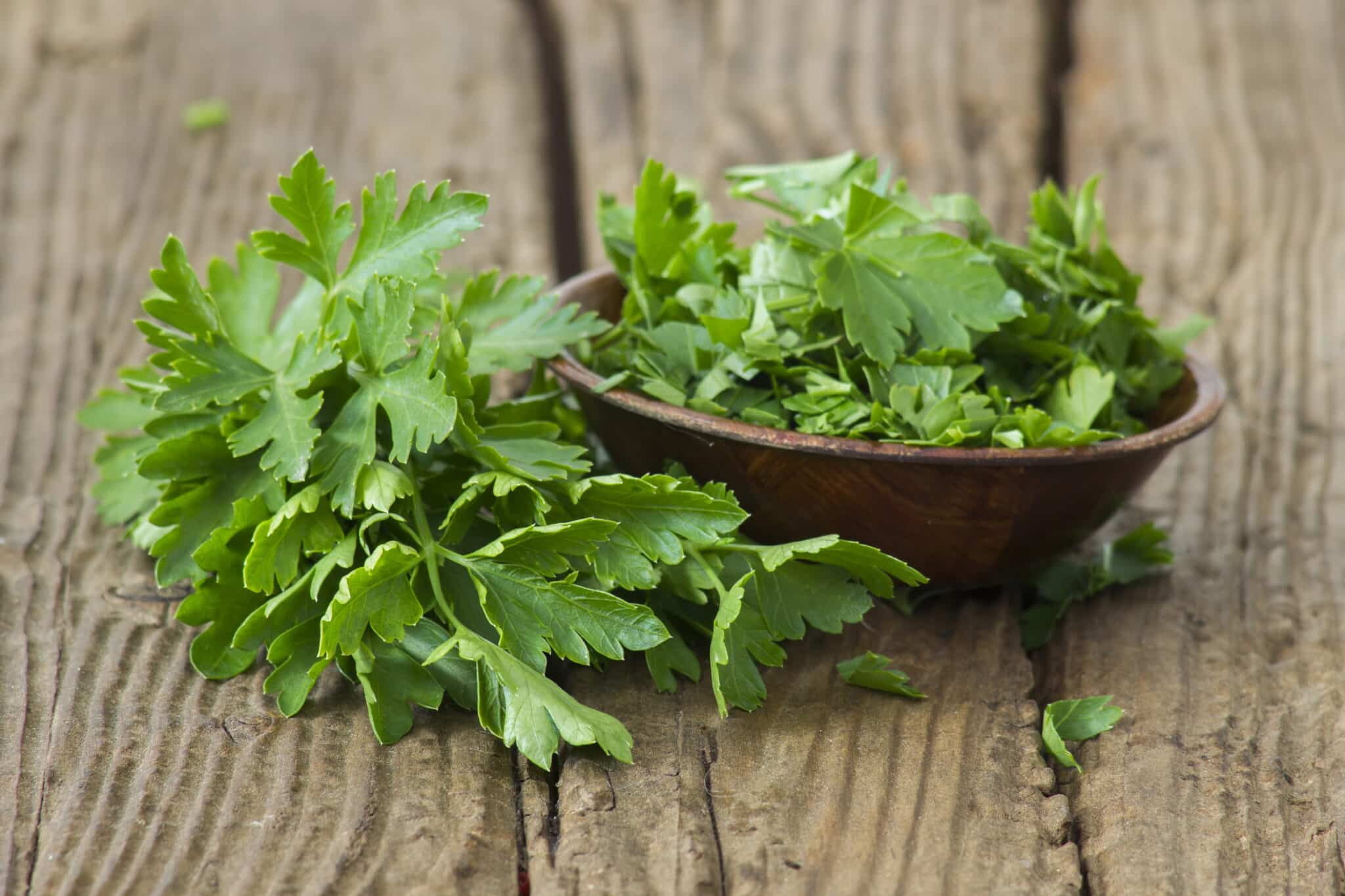
The first investigation, initiated on July 31, 2024, determined that 49 people became ill after consuming imported parsley. A second investigation began on August 7, 2024, linking 61 individuals to a shrimp salad containing fresh produce.
According to FDA reports, ingredient samples and products were collected and analyzed during the investigation. However, no samples tested positive for the cyclospora parasite. The Centers for Disease Control and Prevention (CDC), FDA, and state and local partners conducted epidemiological and traceback investigations to identify the shrimp salad as the potential illness source.
Twenty-eight counties reported cyclospora cases to the North Carolina Department of Health and Human Services (DHHS), with Wake County experiencing more than 100 individual cases. The Wake County Health Department noted that cases were connected to three local restaurants, though the specific businesses were not publicly named.
Cyclospora cayetanensis is a parasite that causes the diarrheal illness known as cyclosporiasis. People acquire this infection by consuming food or water contaminated with feces containing Cyclospora.
Symptoms widely vary and include diarrhea that both occurs frequently and interspersed with constipation, loss of appetite and weight loss, long term fatigue, stomach cramps, nausea and vomiting, fever, and more. If the illness is not treated, it may last from a few days to a month or more. The symptoms may appear to go away only to return at a later time.
Investigations into cyclospora infections are particularly complex due to the extended period between exposure and symptom onset. The origin of the imported parsley remains unknown.
The FDA has declared no ongoing public health risk associated with these outbreaks. DHHS confirmed the outbreak appeared to have concluded by mid-August 2024.
The CDC recommends several preventative measures to reduce the risk of foodborne illnesses like cyclospora, including thoroughly washing and cooking fresh produce, removing bruised or damaged areas, and properly storing cut or peeled items.
Commenting on this article, one national cyclospora lawyer said, “Cases of cyclosporiasis have increased in recent years because testing has become more widely available. Although most people recover with no after-effects, an infection carries greater risks with young children, seniors, and those with compromised immune systems. Anyone who feels they are experiencing symptoms of cyclosporiasis should see their doctor immediately.”
