

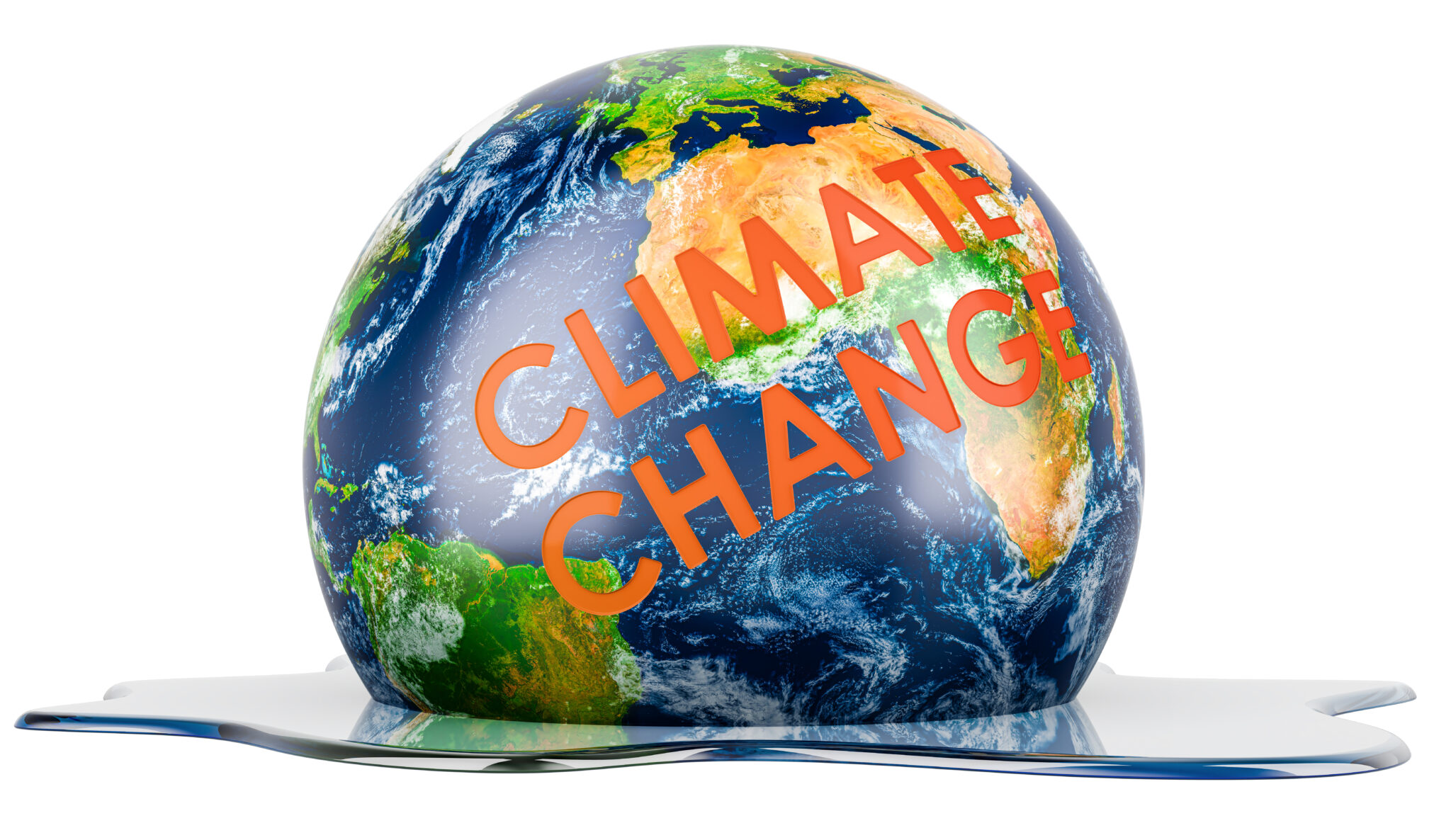

Global warming, driven by climate change, is reshaping our world in multifaceted ways. Beyond melting glaciers and rising sea levels, it also exerts a significant influence on our food systems and safety. Let’s delve into how global warming intersects with foodborne illness, those who are most at risk, and strategies for increasing sustainability.
The Link Between Climate Change and Foodborne Illness:
According to the National Institute of Environmental Health Sciences (NIEHS), climate change directly impacts our global food system, presenting new challenges to food safety and human health. Here’s how:
Pathogen Distribution and Survivability:
The pathogens responsible for foodborne illnesses may reach farther and in greater strength due to changing global temperatures and precipitation patterns. Warmer temperatures can enhance the proliferation of bacteria, viruses, and parasites that contaminate food. Extreme weather events, such as floods or droughts, lead to crop contamination from toxins, potentially leading to foodborne infections like norovirus or salmonellosis.
Quality of Food:
Climate change indirectly affects food quality, potentially compromising human health. Increasing carbon dioxide values in the atmosphere impact staple crops nutritional value as essential minerals and protein content may decrease, increasing the likelihood of malnutrition.
Vulnerable Populations and Food Safety:
Who will be affected? The NIEHS says that, globally, approximately 1 in 10 people suffer from foodborne illnesses, resulting in over 420,000 deaths annually. Vulnerable groups include pregnant women as their immune system changes make them more susceptible to foodborne infections, children under 5 whose developing immune systems heighten the risk, older adults and those with specific health conditions have weakened immune responses that increase susceptibility, and low-income populations who may lack access to stable food supplies.
Strategies for Safeguarding Food Safety:
Sustainable practices like crop rotation and drip irrigation can help promote better food safety management while adapting crop management, diversification, and storage infrastructure reduces contamination risks, according to the NIEHS.
Education and surveillance are also critical. This includes improving health education on safe food handling, preparation, and storage. Enhanced disease surveillance, along with increased monitoring of livestock infections, help identify and prevent outbreaks before they happen.
Conclusion
Global warming’s impact on foodborne illness is undeniable. According to one food safety attorney, as we navigate a changing climate, prioritizing food safety becomes paramount.
By implementing sustainable practices and raising awareness, we can mitigate risks and protect human health. Remember, a safer food supply benefits us all, especially the most vulnerable among us.
