


Food poisoning, also known as foodborne illness, is a significant public health concern worldwide, affecting millions of people each year. It occurs when individuals consume food or beverages contaminated with harmful bacteria, viruses, parasites, or toxins. While food poisoning can happen at any time of the year, extensive epidemiological research shows that many foodborne illnesses do in fact follow seasonal outbreak patterns. These patterns are influenced by environmental conditions, food production and distribution systems, human behavior, and the biological characteristics of pathogens. Understanding the seasonal nature of food poisoning is critical for improving prevention strategies, enhancing public health surveillance, and reducing the overall burden of disease.
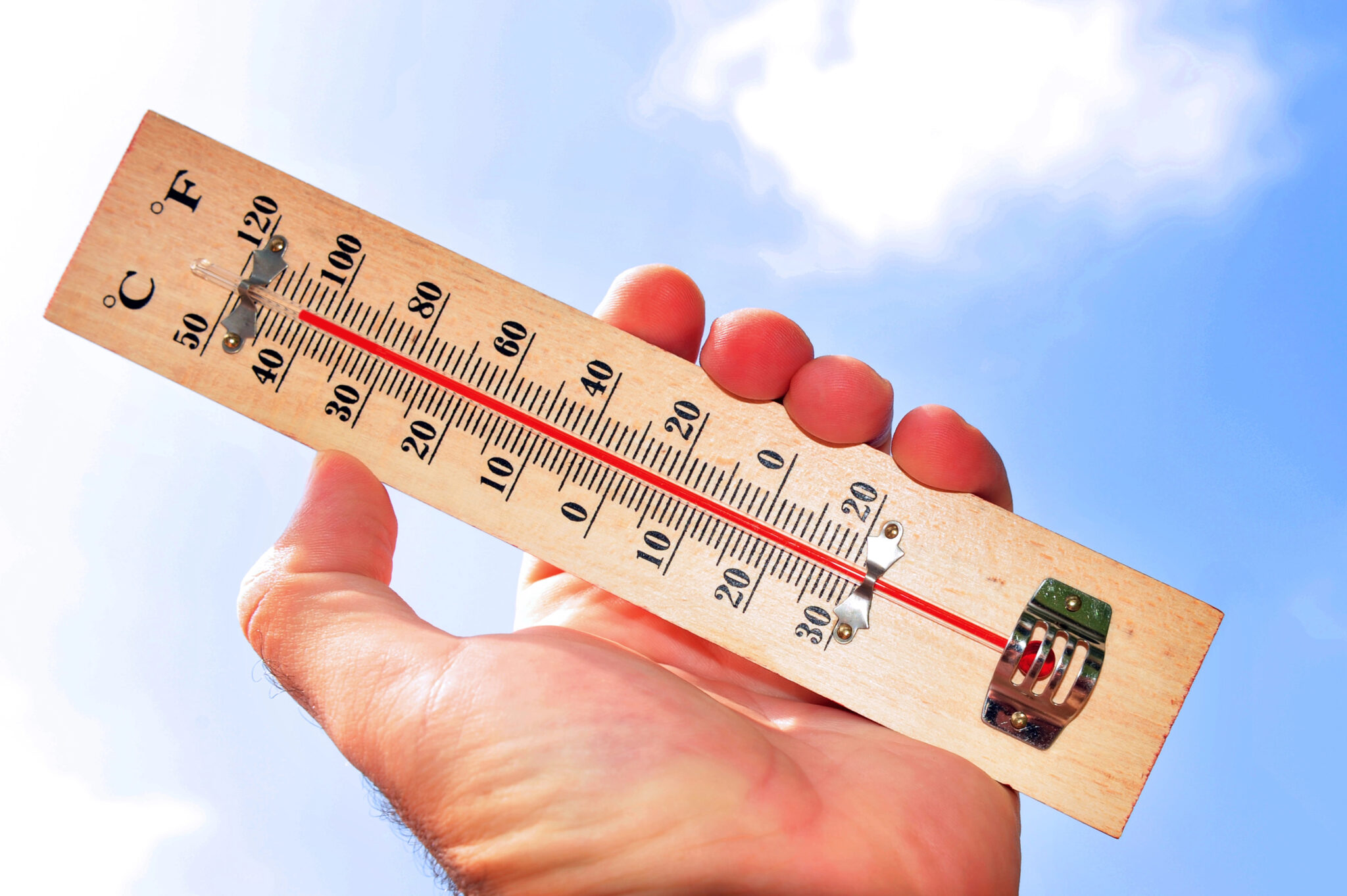
One of the primary reasons food poisoning exhibits seasonal trends is the effect of temperature on pathogen growth and survival. Many foodborne bacteria, including Salmonella, Campylobacter, and Escherichia coli, thrive in warm environments. Higher temperatures accelerate bacterial reproduction, meaning that food left unrefrigerated or improperly handled during warmer months becomes contaminated more quickly. Summer heat also challenges refrigeration systems during transport and storage, increasing the likelihood of temperature abuse. As a result, food products that might remain safe for a limited time in cooler conditions can rapidly become hazardous when exposed to elevated temperatures, contributing to seasonal spikes in foodborne illness.
Human behavior also plays a critical role in the seasonal pattern of food poisoning. During the summer months, people are more likely to engage in outdoor cooking activities, such as barbecues, picnics, and camping trips. These settings often lack adequate refrigeration, clean running water, or proper food storage facilities. Raw meats may be left out for extended periods, cutting boards and utensils may be reused without proper cleaning, and cooked foods may not reach safe internal temperatures. In addition, social gatherings frequently involve large quantities of food prepared in advance, increasing the risk of cross-contamination and improper cooling. These behavioral factors significantly contribute to the higher incidence of food poisoning observed during warmer seasons.
Another factor driving seasonal outbreaks is agricultural and food production cycles. Many fresh fruits and vegetables are harvested during the spring and summer months, and consumption of raw produce increases during this period. Leafy greens, melons, and berries have been implicated in numerous outbreaks of E. coli, Salmonella, and Listeria. Contamination can occur at multiple points along the farm-to-table continuum, including through irrigation water, soil, wildlife intrusion, or handling during harvesting and processing. Seasonal increases in production can strain food safety controls, making it more difficult to detect and prevent contamination before products reach consumers.
Specific foodborne pathogens also display distinct seasonal patterns. Salmonella infections tend to peak in late summer and early fall, coinciding with higher temperatures and increased consumption of undercooked eggs, poultry, and raw produce. Campylobacter, commonly associated with poultry and unpasteurized milk, also shows a summer peak in many regions. E. coli O157:H7 infections often rise in the warmer months and are linked to ground beef, leafy greens, and recreational water exposure. In contrast, Listeria monocytogenes does not follow the same seasonal pattern and can cause illness year-round, as it is capable of growing at refrigeration temperatures. These pathogen-specific trends demonstrate that seasonality in food poisoning is complex and not uniform across all microorganisms.
Viral foodborne illnesses, particularly norovirus, also exhibit seasonal variation, though in a different pattern from bacterial infections. Norovirus outbreaks are more common in the winter months, especially in enclosed or crowded environments such as schools, nursing homes, cruise ships, and restaurants. The virus spreads easily through contaminated food, surfaces, and person-to-person contact. Cold weather leads people to spend more time indoors, facilitating transmission. Additionally, norovirus is highly resistant to environmental stressors and can persist on surfaces and in foods even at low temperatures. This winter predominance highlights that food poisoning is not exclusively a warm-weather problem.
Seasonal changes in water quality further influence foodborne illness patterns. Heavy rainfall, flooding, and agricultural runoff — events that are more common during certain seasons — can introduce pathogens into irrigation systems, shellfish harvesting waters, and drinking water supplies. Shellfish, such as oysters, are particularly vulnerable because they filter large volumes of water and can accumulate bacteria and viruses. Warmer coastal waters in summer promote the growth of Vibrio species, leading to increased cases of seafood-related illness during this season. These environmental factors contribute to predictable seasonal spikes in specific types of food poisoning.
Travel and tourism also contribute to seasonal patterns of foodborne illness. During summer vacations and holidays, people are more likely to eat food prepared outside the home, including at restaurants, festivals, food trucks, and temporary vendors. Increased demand can strain food service operations, sometimes leading to shortcuts in food handling, storage, or sanitation. International travel during peak vacation seasons can expose individuals to unfamiliar pathogens and food safety standards, increasing the risk of illness. These travel-related exposures often coincide with seasonal increases in reported food poisoning cases.
Public health surveillance data consistently support the existence of seasonal trends in foodborne illness. In the United States and many other countries, reported cases rise sharply during late spring and summer, with a smaller but notable increase in winter due to norovirus. However, it is important to recognize that reporting itself may also be influenced by seasonality. People may be more likely to seek medical care during severe outbreaks or when symptoms disrupt work and school schedules, potentially affecting case detection. Despite these limitations, the overall pattern of seasonal variation remains well established across multiple surveillance systems and geographic regions.
Climate change is expected to intensify seasonal food poisoning patterns. Rising global temperatures, more frequent heatwaves, and increased extreme weather events can create favorable conditions for pathogen growth and spread. Warmer oceans may expand the geographic range of seafood-associated bacteria, while droughts and floods can disrupt agricultural practices and water safety. These changes may lengthen the traditional “food poisoning season” and increase the unpredictability of outbreaks, posing new challenges for food safety systems and public health preparedness.
In conclusion, food poisoning does follow recognizable seasonal outbreak patterns driven by a combination of environmental conditions, pathogen biology, food production cycles, and human behavior. Bacterial foodborne illnesses are more common in warmer months due to increased temperatures and outdoor food handling, while viral illnesses such as norovirus peak during colder months. Seasonal changes in agriculture, water quality, and travel further influence these trends. Although food poisoning can occur at any time of year, understanding its seasonal dynamics allows public health officials, food producers, and consumers to implement targeted prevention strategies. By recognizing when risks are highest and why they occur, societies can better protect public health and reduce the incidence of preventable foodborne illness year-round.
