
Close Menu
  • Food Poisoning
    • Symptoms
    • Prevention
    • Treatment
    • Causes
  • Pathogens
    • Botulism
    • Campylobacter
    • E. coli
    • Cyclospora
    • Norovirus
    • Hepatitis A
    • Salmonella
    • Listeria
    • Shigella
  • Food Safety
    • How to wash your hands
    • Food Safty And The Holidays
  • Legal
    • Can I sue for Food Poisoning?
    • E. coli Lawyer
      • E. coli Lawsuit
    • Salmonella Lawyer
      • Salmonella Lawsuit
    • Botulism Lawyer
    • Cyclospora Lawyer
    • Shigella Lawyer
    • Hepatitis A Lawyer
  • Outbreaks and Recalls
  • Connect With A Lawyer
What's Hot

Springtime Risks: Unmasking Foodborne Illnesses (Like Salmonella or E. coli) as Temperatures Rise

March 6, 2026

Designing a Kitchen That Supports Better Nutrition

March 4, 2026

How Foodborne Illness Targets the World’s Most Vulnerable Populations

March 4, 2026
Facebook X (Twitter) Instagram
Facebook X (Twitter) YouTube
  • About
  • Contact Us
Food Poisoning NewsFood Poisoning News
  • Home
  • Food Poisoning
    • What is Food Poisoning?
      • Symptoms
      • Causes
      • Prevention
      • Treatment
      • Statistics
    • Pathogens
      • Botulism
      • Campylobacter
      • E. coli
      • Hepatitis A
      • Shigella
      • Norovirus
      • Salmonella
      • Cyclospora
      • Listeria
  • Food Safety
    • How to wash your hands
    • Food Safty And The Holidays
  • Legal
    • Salmonella Lawyer
      • Salmonella Lawsuit
    • E. coli Lawyer
      • E. coli Lawsuit
    • Cyclospora Lawyer
    • Shigella Lawyer
    • Hepatitis A Lawyer
    • Botulism Lawyer
  • Outbreaks and Recalls
Food Poisoning NewsFood Poisoning News
Home»Featured»Drone Surveillance for Improving Food Safety by Detecting Crop Contamination in Real Time
Drone Surveillance for Improving Food Safety by Detecting Crop Contamination in Real Time
Featured

Drone Surveillance for Improving Food Safety by Detecting Crop Contamination in Real Time

Kit RedwineBy Kit RedwineMay 20, 2025Updated:May 20, 2025No Comments3 Mins Read
Share
Facebook Twitter LinkedIn Pinterest Email Reddit

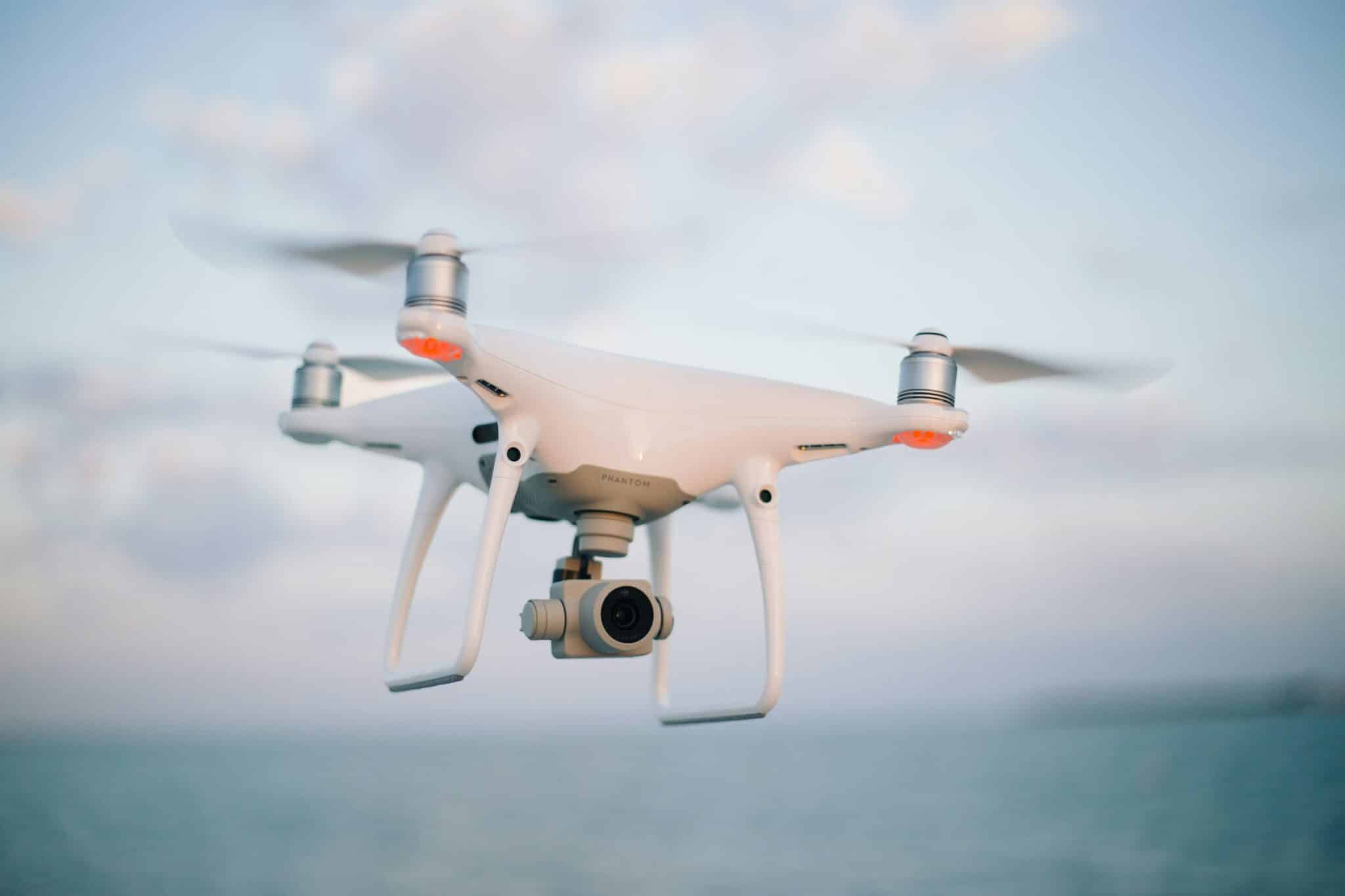
The integration of drone technology into agriculture has revolutionized the detection of crop contamination, enabling real-time monitoring and rapid response to threats such as fungal infections, pest infestations, and environmental stressors. Equipped with advanced sensors and artificial intelligence (AI), drones provide farmers with actionable insights to mitigate risks and protect yields.  

Technology and Sensor Integration 

Modern agricultural drones utilize multispectral, hyperspectral, and thermal imaging sensors to capture detailed data on crop health. These sensors detect subtle changes in plant physiology, such as variations in chlorophyll levels, canopy temperature, and moisture content, which are early indicators of contamination or disease.  For instance, multispectral cameras identify fungal infections like aflatoxin-producing Aspergillus by analyzing spectral signatures linked to plant stress, even before visible symptoms emerge.  Thermal sensors, meanwhile, monitor irrigation efficiency and detect water stress, which can exacerbate contamination risks in drought-prone regions.   

AI-driven analytics further enhance real-time detection. Machine learning algorithms process vast datasets from drone-captured imagery to classify contamination types, predict spread patterns, and recommend targeted interventions. A 2024 study in Bihar, India, demonstrated how AI-integrated drones mapped nitrogen deficiencies and water stress in rice fields, enabling precise fertilizer application and reducing contamination risks from nutrient imbalances.   

Applications in Contamination Management  

Drones excel in early detection of mycotoxins, toxic metabolites produced by fungi such as Aspergillus flavus. By identifying environmental conditions favorable for fungal growth, such as high humidity or temperature fluctuations, drones help farmers adjust storage practices or apply antifungals preemptively.  For example, optical camera communication (OCC) systems tested in Japan allowed drones to collect sensor data from LED-equipped field nodes, transmitting contamination alerts in real time without relying on radio infrastructure.   

In pesticide management, drones equipped with hyperspectral sensors detect chemical residues on crops, ensuring compliance with safety standards. This capability is critical in regions like California’s San Joaquin Valley, where pesticide drift poses health risks to nearby communities.   

Benefits and Challenges 

Real-time drone surveillance reduces reliance on labor-intensive manual inspections, covering up to 500 acres daily and cutting monitoring time by 90%.  Early contamination detection minimizes crop losses and limits the need for broad-spectrum pesticides, lowering environmental impact and production costs by up to 30%.   

However, challenges persist. Regulatory restrictions on beyond-visual-line-of-sight (BVLOS) flights hinder large-scale deployments, while high costs for advanced drones and sensors remain barriers for small-scale farmers.  Additionally, data interpretation requires technical expertise, necessitating training programs to maximize adoption.   

Future Directions  

Emerging technologies, such as drone swarms and blockchain-integrated data systems, promise to enhance scalability and traceability in contamination monitoring. Advances in energy efficiency, such as solar-powered drones, could extend flight durations for uninterrupted surveillance.   

Drone surveillance is a transformative tool for real-time crop contamination detection, combining cutting-edge sensors, AI, and agile data collection. While challenges remain, ongoing innovations and regulatory adaptations are poised to expand its role in sustainable agriculture. 

Share. Facebook Twitter Pinterest LinkedIn Tumblr Email
Avatar photo
Kit Redwine

Related Posts

How Foodborne Illness Targets the World’s Most Vulnerable Populations

March 4, 2026

Emerging Foodborne Pathogens Public Health Officials Are Monitoring

February 27, 2026

The Lasting Health, Economic, and Human Toll of Foodborne Disease

February 25, 2026

Navigating the Landscape of Food Poisoning Litigation in California: The Role of Gomez Trial Attorneys and Ron Simon & Associates

February 18, 2026
Add A Comment
Leave A Reply Cancel Reply

Attorney Advertisement
Ron Simon

Subscribe to Updates

Get the latest food safety recall, outbreak, & investigation news.

Latest Posts

Springtime Risks: Unmasking Foodborne Illnesses (Like Salmonella or E. coli) as Temperatures Rise

March 6, 2026

Designing a Kitchen That Supports Better Nutrition

March 4, 2026

How Foodborne Illness Targets the World’s Most Vulnerable Populations

March 4, 2026

Food Poisoning News is a website devoted to providing you with the most current information on food safety, dangerous pathogens, food poisoning outbreaks and outbreak prevention, and food poisoning litigation.

We're social. Connect with us:

Facebook X (Twitter) YouTube
Latest Posts

Springtime Risks: Unmasking Foodborne Illnesses (Like Salmonella or E. coli) as Temperatures Rise

March 6, 2026

Designing a Kitchen That Supports Better Nutrition

March 4, 2026

How Foodborne Illness Targets the World’s Most Vulnerable Populations

March 4, 2026
Get Informed

Subscribe to Updates

Get the latest food safety recall, outbreak, & investigation news.

Facebook X (Twitter) YouTube
  • Home
© 2026 Food Poisoning News. Sponsored by Ron Simon & Associates a Houston, TX law firm. Powered by ArmaVita.
Our website and content are for informational purposes only. Food Poisoning News does not provide legal advice, medical advice, diagnosis, or treatment.

Type above and press Enter to search. Press Esc to cancel.