

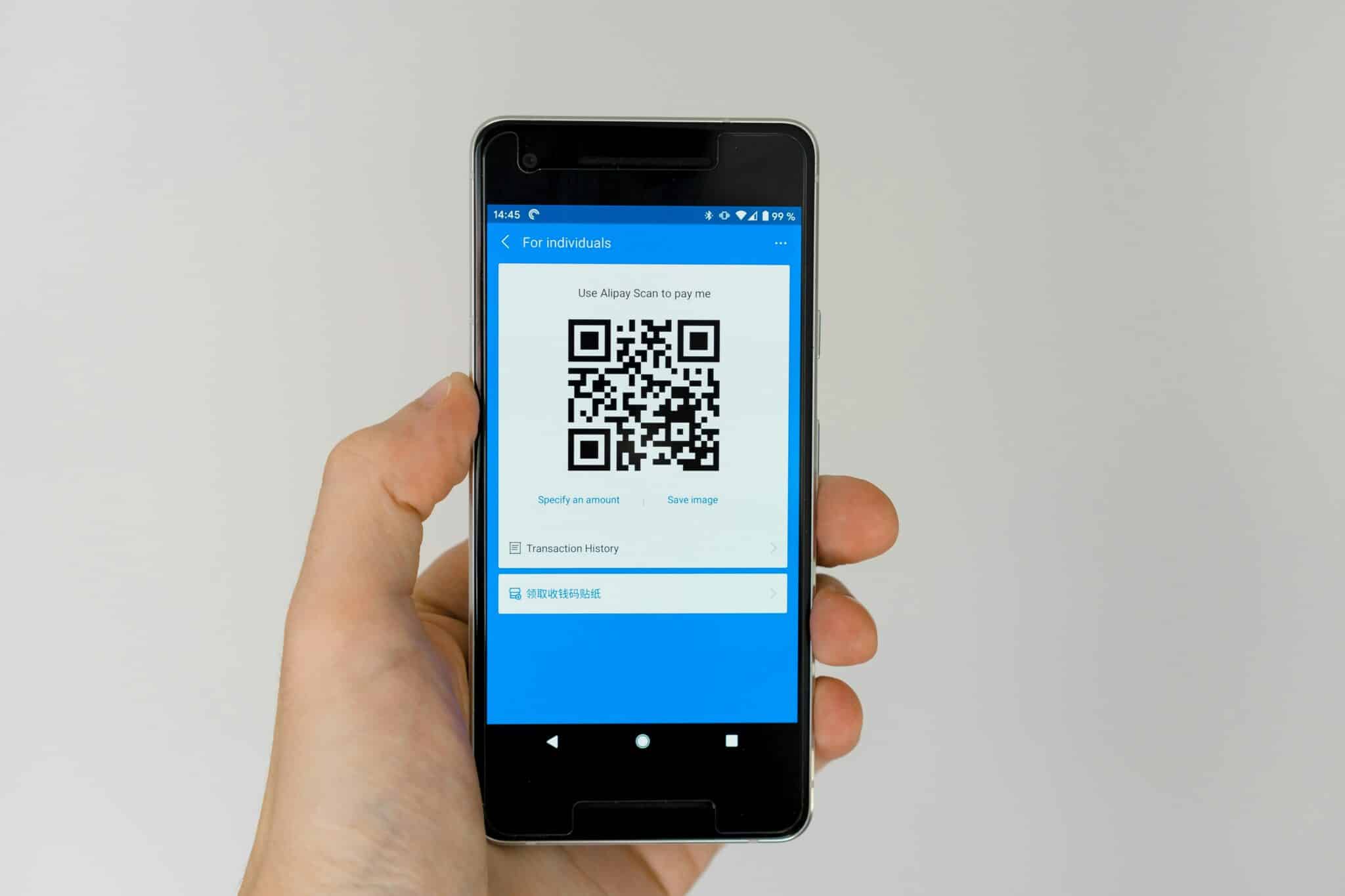

The integration of edible QR codes with blockchain technology is poised to transform food safety by enabling real-time contamination tracking from farm to consumer. These innovations address growing demands for supply chain transparency and rapid response to foodborne illness outbreaks.
The Rise of Edible Smart Labels
Edible QR codes are typically made from plant-based materials like seaweed, rice, or starches, forming dissolvable films or coatings applied directly to food surfaces. When scanned by smartphones, these codes provide instant access to digital product information, including:
- Origin details (farm location, harvest date)
- Ingredient sourcing and processing history
- Real-time freshness and temperature data via integrated IoT sensors.
Unlike traditional packaging, edible labels eliminate physical waste and allow direct consumption with the product.
Blockchain Integration for Contamination Tracking
Blockchain technology creates tamper-proof digital ledgers that record every supply chain event—from initial harvesting to retail distribution. When paired with edible QR codes, this system enables:
- Instant Traceability: Each scan reveals a product’s complete journey, with blockchain verifying the authenticity of recorded data.
- Contamination Source Identification: During outbreaks, blockchain logs can pinpoint contamination locations (e.g., specific farms or processing facilities) within seconds rather than days.
- Automated Compliance: Smart contracts automatically trigger alerts when temperature deviations or handling errors occur, enabling proactive interventions.
Companies like Walmart and Nestlé already use blockchain for certain products, demonstrating 99% faster traceability during contamination investigations.
Implementation Benefits and Challenges
The FDA’s Food Traceability Final Rule (FSMA 204) mandates detailed record-keeping for high-risk foods by 2026, accelerating adoption of these technologies. Key advantages include:
- Reduced Recall Costs: Targeted removals of contaminated batches minimize financial losses.
- Consumer Trust: 71% of consumers prioritize traceability and may pay premiums for transparent brands.
- Combatting Counterfeiting: Unique cryptographic identifiers in QR codes verify product authenticity.
However, challenges persist, including scaling edible material production, ensuring universal smartphone accessibility, and navigating evolving regulatory frameworks for blockchain validation.
Future Outlook
Ongoing research focuses on enhancing edible substrates for durability and integrating NFC technology for tap-based data retrieval. The upcoming IFT FIRST Expo 2025 will showcase advancements in smart packaging, emphasizing industry-wide standardization. Ron Simon & Associates, a leading national food poisoning law firm, says that as these technologies mature, edible QR codes with blockchain could render traditional food tracing methods obsolete, creating safer, waste-free supply chains.
