

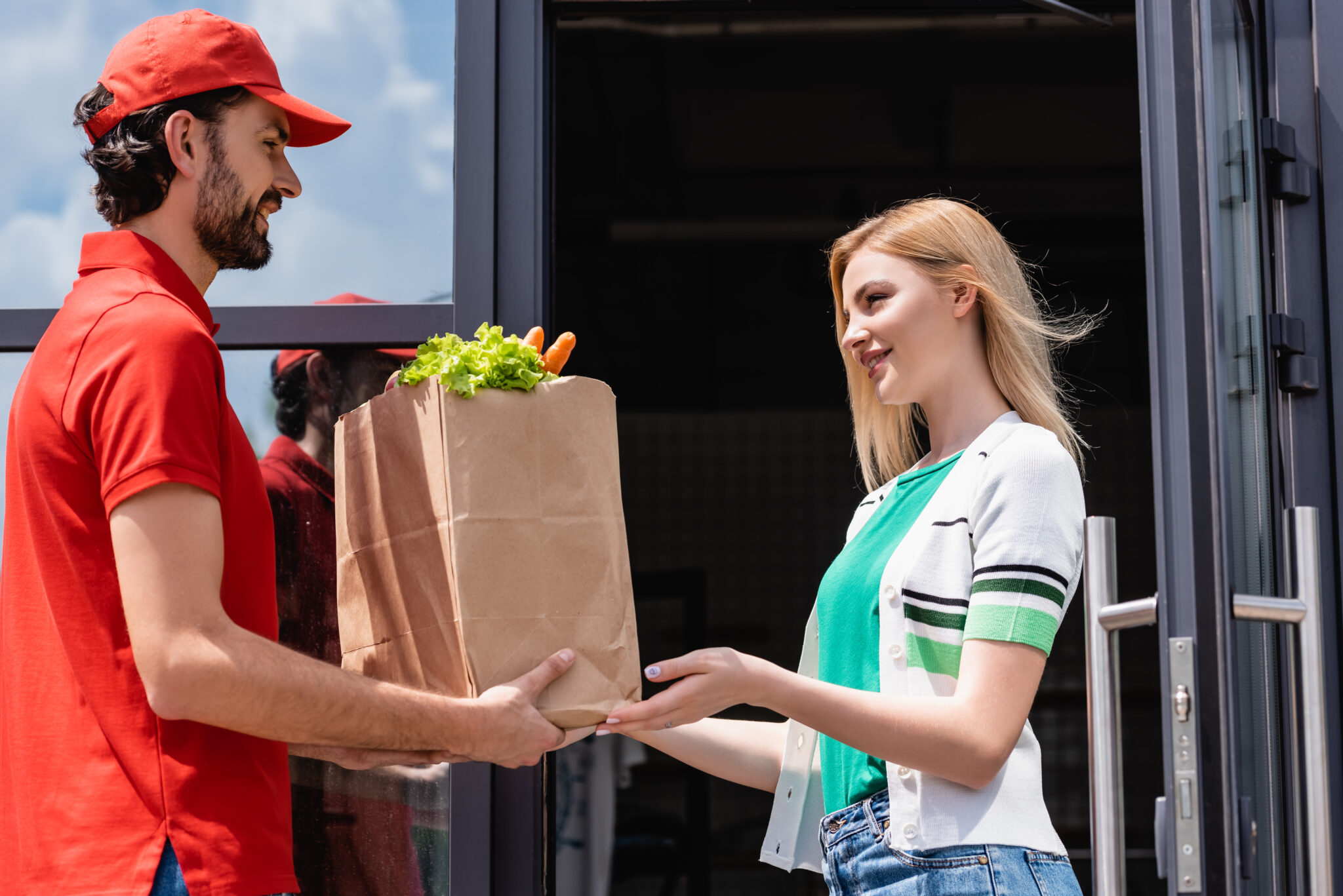

The rise of home food delivery services has transformed the way we access meals. Whether it’s a still-sizzling burger, a gourmet salad, or a cook-it-yourself meal kit, these services offer convenience and variety. However, behind the scenes, ensuring food safety remains a critical responsibility for both providers and consumers.
The FoodNet Surveillance Data
The CDC’s FoodNet program diligently monitors foodborne illnesses across the United States. In 2020, they observed a significant decrease in reported infections compared to previous years. While this decline is noteworthy, it’s essential to consider external factors such as the COVID-19 pandemic, which likely influenced detection rates. The most common infections reported were Campylobacter and Salmonella.
Safe Handling Practices for Delivered Food
These days, food delivery includes not only one’s favorite pizza or chicken stir-fry, but also meal kits or fresh groceries from the local store. No matter the source, when ordering food for delivery, consumers should adopt safe handling practices:
- Ask Questions:
- Before choosing a delivery service, inquire about their food safety practices. Understand how they handle unsafe temperature deliveries and whether they prioritize hygiene.
- Establishments that sell and serve food are regularly inspected by the local health department. Their most recent reports are often available from the health department’s website.
- Safe Delivery and Receipt:
- Ensure someone is there to accept the delivery and to promptly store perishable items.
- Warm prepared food should be consumed immediately or refrigerated. Use a food thermometer to ensure the internal temperature is at least 165°F, whether out of the box or after reheating.
- If no one is available, designate a safe, cool, and secure location for delivery. A large cooler, pre-packed with ice can be very helpful.
- Inspect packaging for integrity and ensure proper insulation.
- Check perishable food with a food thermometer upon arrival. Perishable food should be 40°F or below. Any items above 40°F should not be eaten and the company should be contacted immediately.
- Place perishable food promptly in the refrigerator or freezer.
- Risks Associated with Online Food Delivery:
- A recent study highlighted risks related to improper storage temperature during transport and cross-contamination when handling various types of food. These risks underscore the need for stringent safety protocols.
Reporting Food Poisoning
If food poisoning from a delivery service is suspected, take immediate action and contact local health officials and provide details to initiate a traceback investigation.
According to a national food safety attorney, safe food handling practices are crucial for everyone, especially vulnerable populations like the elderly, young children, those with weakened immune systems, and pregnant individuals.
While home food delivery services offer unparalleled convenience, consumers must remain vigilant. Prioritizing food safety ensures that every meal delivered to our doorstep is not only delicious but also safe for consumption.
