

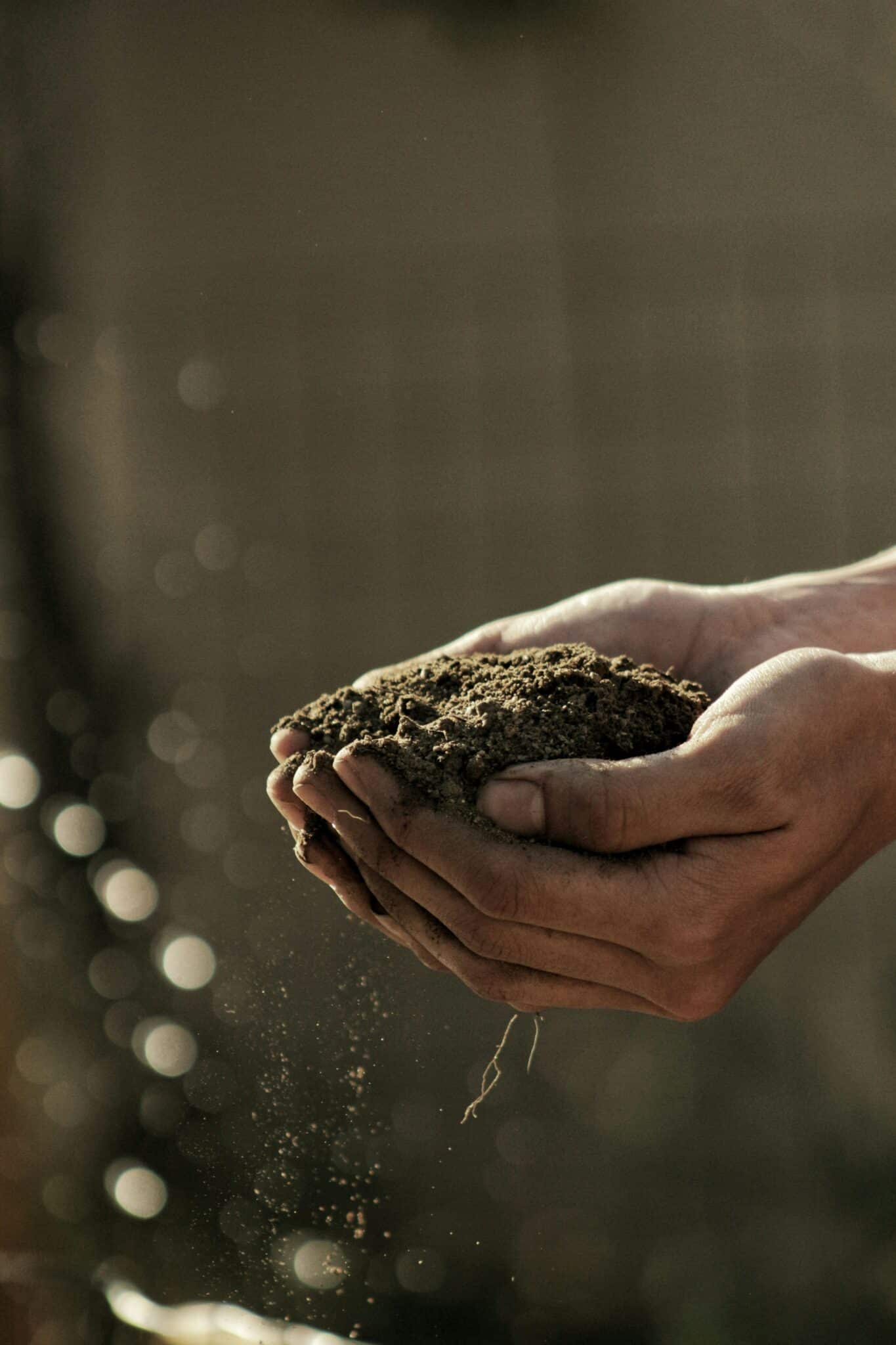

Urban agriculture, encompassing community gardens, rooftop farms, and vertical growing systems, provides fresh produce while strengthening neighborhood bonds and improving food access in cities. However, these initiatives face unique food safety challenges requiring targeted mitigation strategies to ensure harvested foods are both nutritious and safe for consumption.
Soil Contamination: Assessment and Mitigation
Urban soils frequently harbor contaminants from historical industrial activities, vehicle emissions, or older building materials. Heavy metals like lead, arsenic, and cadmium can accumulate in edible plant parts, particularly root vegetables (carrots, potatoes) and leafy greens. Sites with prior industrial use, gas stations, factories, or areas near high-traffic roads, pose elevated risks. Comprehensive soil testing is the critical first defense, with extension services or environmental labs analyzing samples for heavy metals and pesticides. If contamination exceeds thresholds (e.g., EPA notes lead above 400 ppm often requires action), remediation strategies become essential:
- Raised beds lined with geotextile barriers and filled with certified clean soil
- Soil amendments like phosphate to bind heavy metals and reduce plant uptake
- Capping severely contaminated areas with impermeable barriers
Water and Input Safety
Water quality directly impacts produce safety. Untreated surface water or recycled sources may contain pathogens (E. coli, Salmonella) or chemical residues. Regular water testing is recommended, particularly for irrigation methods involving direct contact with edible plant parts. Compost, while valuable for soil health, requires proper thermophilic processing to eliminate pathogens. Initiatives like St. Petersburg’s industrial composting program demonstrate controlled processing of food waste into safe soil amendments. Natural fertilizers (compost, manure) should be fully decomposed and applied well before harvest to minimize microbial risks, while synthetic pesticides are often restricted in municipal codes.
Design and Operational Best Practices
Strategic garden layout reduces contamination pathways:
- Physical barriers (hedges, fencing) between growing areas and roadways to reduce particulate deposition
- Designated washing stations with potable water for cleaning tools and harvests, proven to reduce pathogen transfer
- Clear pathways (≥3 feet wide) to prevent soil compaction and cross-contamination during maintenance
- Tool sanitation protocols using bleach or quaternary ammonia solutions
For animal-based operations (poultry, bees), secure housing and manure management plans are vital to prevent pathogen introduction.
Training and Community Engagement
Sustained safety depends on gardener education. Workshops covering hand hygiene, safe harvesting containers, and wildlife management (e.g., deterring rodents) build collective vigilance. Detroit’s Michigan Urban Farming Initiative exemplifies integrating training into operations, ensuring participants understand contamination vectors and mitigation techniques. Transparent record-keeping, documenting soil tests, water quality reports, and input sources, fosters accountability and trust within neighborhoods.
Urban farming’s social and nutritional benefits are maximized when food safety is foundational. Through systematic risk assessment, soil, water, design, and training, these vibrant green spaces yield not just food, but community confidence.
