
Close Menu
  • Food Poisoning
    • Symptoms
    • Prevention
    • Treatment
    • Causes
  • Pathogens
    • Botulism
    • Campylobacter
    • E. coli
    • Cyclospora
    • Norovirus
    • Hepatitis A
    • Salmonella
    • Listeria
    • Shigella
  • Food Safety
    • How to wash your hands
    • Food Safty And The Holidays
  • Legal
    • Can I sue for Food Poisoning?
    • E. coli Lawyer
      • E. coli Lawsuit
    • Salmonella Lawyer
      • Salmonella Lawsuit
    • Botulism Lawyer
    • Cyclospora Lawyer
    • Shigella Lawyer
    • Hepatitis A Lawyer
  • Outbreaks and Recalls
  • Connect With A Lawyer
What's Hot

Back-to-School Food Risks: How Lunch Packing, Cafeterias, and Shared Spaces Increase Food Poisoning

January 14, 2026

Campylobacter Infection: Where It Comes From and Why It’s One of the Most Common Foodborne Illnesses

January 14, 2026

What Foods Are Most Likely to Carry Salmonella—and Why Contamination Happens So Easily

January 14, 2026
Facebook X (Twitter) Instagram
Facebook X (Twitter) YouTube
  • About
  • Contact Us
Food Poisoning NewsFood Poisoning News
  • Home
  • Food Poisoning
    • What is Food Poisoning?
      • Symptoms
      • Causes
      • Prevention
      • Treatment
      • Statistics
    • Pathogens
      • Botulism
      • Campylobacter
      • E. coli
      • Hepatitis A
      • Shigella
      • Norovirus
      • Salmonella
      • Cyclospora
      • Listeria
  • Food Safety
    • How to wash your hands
    • Food Safty And The Holidays
  • Legal
    • Salmonella Lawyer
      • Salmonella Lawsuit
    • E. coli Lawyer
      • E. coli Lawsuit
    • Cyclospora Lawyer
    • Shigella Lawyer
    • Hepatitis A Lawyer
    • Botulism Lawyer
  • Outbreaks and Recalls
Food Poisoning NewsFood Poisoning News
Home»Featured»FDA Issues Alert for Norovirus-Contaminated Korean Oysters Distributed Across Five Western States
FDA Issues Alert for Norovirus-Contaminated Korean Oysters Distributed Across Five Western States
Featured

FDA Issues Alert for Norovirus-Contaminated Korean Oysters Distributed Across Five Western States

Kit RedwineBy Kit RedwineJuly 28, 2025No Comments3 Mins Read
Share
Facebook Twitter LinkedIn Pinterest Email Reddit

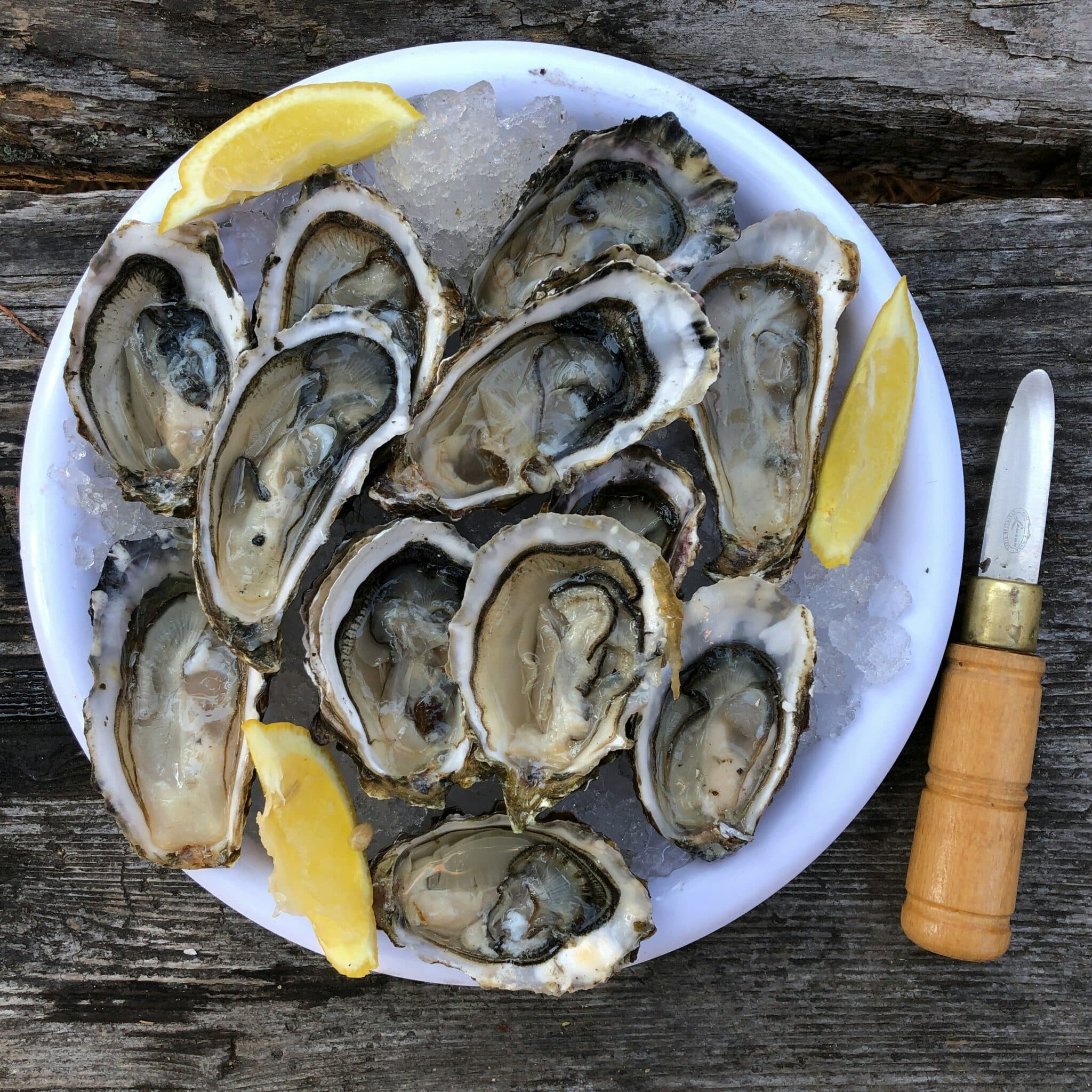
The Food and Drug Administration (FDA) has issued a safety alert advising consumers and food establishments to avoid frozen, raw, half-shell oysters potentially contaminated with norovirus after an outbreak investigation linked illnesses to the imported shellfish.

Wang Globalnet of Vernon, California initiated a recall on July 21, 2025, for frozen oysters bearing lot code B250112. The affected products were harvested from Designated Area No. 1 in South Korea on January 12, 2025, and processed by JBR KR-15-SP in Tongyeong-si, Republic of Korea. Distribution occurred across Arizona, California, Colorado, Montana, and Utah, with potential spread to additional states.

The Utah Department of Agriculture and Food notified federal authorities on July 16, 2025, of a norovirus outbreak connected to consumption of these specific Korean oysters. The outbreak prompted immediate investigation and subsequent recall actions to prevent further illnesses.

The recalled oysters carry specific identification markers including the January 12, 2025 harvest date, January 13, 2025 shucking date, and January 12, 2027 best-before date. Product packaging displays certification number KR-150SP and lists the processor address as 2119 Donsanilju-ro, Donsan-myeon, Tongyeong-si, Gyeongsangnam-do, Republic of Korea. Each carton contains 144 pieces of frozen half-shell oysters, with 1,200 total cartons affected.

Norovirus contamination in shellfish presents significant health risks, particularly for individuals with compromised immune systems who may experience severe illness. The virus cannot be detected through appearance, smell, or taste, making contaminated products indistinguishable from safe ones.

Nationwide Norovirus law firm Ron Simon & Associates says that norovirus infection affects people of all ages, with symptoms typically developing 12 to 48 hours after exposure. Primary symptoms include diarrhea, vomiting, nausea, and stomach pain, accompanied by fever, headache, and body aches. Most individuals recover within one to three days, though the illness can cause extreme discomfort with frequent vomiting and diarrhea episodes.

Dehydration poses a serious concern, especially for young children, elderly adults, and those with underlying health conditions. Warning signs include decreased urination, dry mouth and throat, and dizziness when standing. Children may display unusual sleepiness, fussiness, and crying without tears.

The FDA has instructed restaurants and retailers to immediately stop serving or selling the implicated oysters and dispose of remaining inventory. Food establishments must implement thorough cleaning and sanitization procedures to prevent cross-contamination of equipment and surfaces that may have contacted the affected products.

Staff handling these products should wash hands thoroughly with warm water and soap following cleanup procedures. Establishments using bulk products must clean and sanitize storage containers, while all food contact surfaces and preparation utensils require frequent cleaning to minimize contamination risks.

Consumers experiencing norovirus symptoms should contact healthcare providers to report illness and receive appropriate medical care. 

Share. Facebook Twitter Pinterest LinkedIn Tumblr Email
Avatar photo
Kit Redwine

Related Posts

State Fair Was Source of Arizona E. coli Outbreak 

January 14, 2026

Harnessing Our Microbial Allies: How Probiotics Wage War on Foodborne Pathogens Like Salmonella and E. Coli

January 12, 2026

Frozen Tater Tots Recalled in 26 States Due to Possible Plastic Contamination

January 10, 2026

The Risks of Baking Sourdough Bread From a Starter and How to Avoid Mistakes

January 9, 2026
Add A Comment
Leave A Reply Cancel Reply

Attorney Advertisement
Ron Simon

Subscribe to Updates

Get the latest food safety recall, outbreak, & investigation news.

Latest Posts

Back-to-School Food Risks: How Lunch Packing, Cafeterias, and Shared Spaces Increase Food Poisoning

January 14, 2026

What Foods Are Most Likely to Carry Salmonella—and Why Contamination Happens So Easily

January 14, 2026

How Long Do Foodborne Bacteria Survive on Kitchen Surfaces—and Why Cleaning Isn’t Always Enough

January 14, 2026

Food Poisoning News is a website devoted to providing you with the most current information on food safety, dangerous pathogens, food poisoning outbreaks and outbreak prevention, and food poisoning litigation.

We're social. Connect with us:

Facebook X (Twitter) YouTube
Latest Posts

Back-to-School Food Risks: How Lunch Packing, Cafeterias, and Shared Spaces Increase Food Poisoning

January 14, 2026

What Foods Are Most Likely to Carry Salmonella—and Why Contamination Happens So Easily

January 14, 2026

How Long Do Foodborne Bacteria Survive on Kitchen Surfaces—and Why Cleaning Isn’t Always Enough

January 14, 2026
Get Informed

Subscribe to Updates

Get the latest food safety recall, outbreak, & investigation news.

Facebook X (Twitter) YouTube
  • Home
© 2026 Food Poisoning News. Sponsored by Ron Simon & Associates a Houston, TX law firm. Powered by ArmaVita.
Our website and content are for informational purposes only. Food Poisoning News does not provide legal advice, medical advice, diagnosis, or treatment.

Type above and press Enter to search. Press Esc to cancel.