

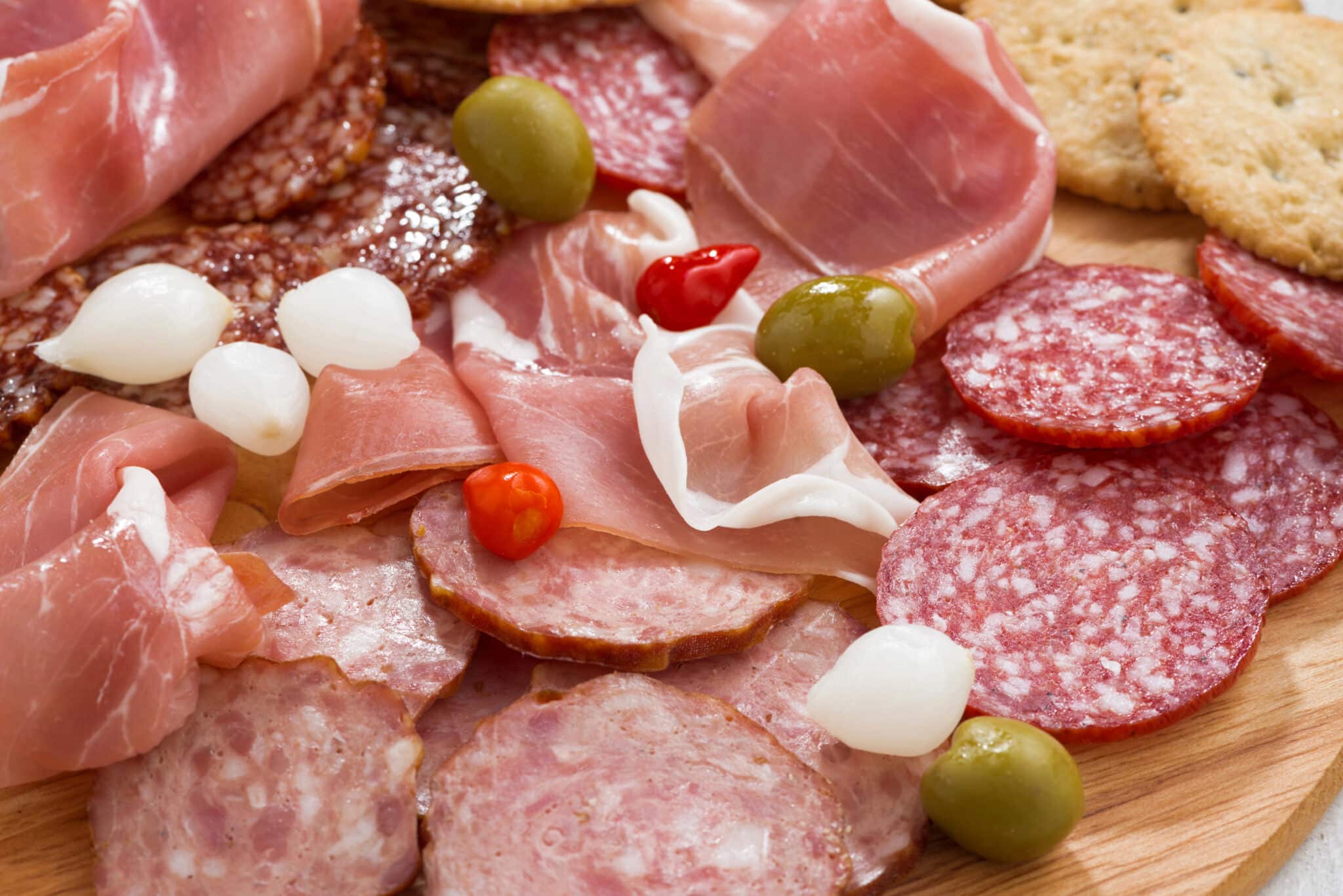

In the summer of 2025, a nationwide Listeria outbreak linked to prepared pasta meals forced numerous product recalls and heightened public scrutiny, serving as a strong reminder of a persistent food safety challenge. While such outbreaks capture headlines, the fight against the Listeria monocytogenes bacterium is a constant battle waged daily in facilities that produce ready-to-eat (RTE) meats. Products like sliced deli meats, hot dogs, and pâtés sit at the center of this struggle, representing a category of foods that is both immensely popular and uniquely vulnerable to a pathogen that can have severe consequences for human health.
The core of the dilemma lies in a critical juncture in the production process. These meats are fully cooked, a lethal step that destroys harmful bacteria. However, they are exposed to the environment again after this kill step, during slicing, handling, or packaging, before they are sealed for sale. This “post-lethality exposure” creates a window of opportunity for Listeria to contaminate the product. Unlike many other foodborne bacteria, Listeria is a psychotropic organism, meaning it can not only survive but actively grow in the cold, moist environments of both food processing plants and home refrigerators. For the companies that produce these staple foods, managing this risk requires a sophisticated, multi-layered defense strategy that stretches from the factory floor to the consumer’s plate.
Listeria’s Resilience
Listeria monocytogenes is a formidable adversary due to its unique biological characteristics. It is a Gram-positive bacterium widely distributed in nature, commonly found in soil, sewage, vegetation, and water. This ubiquitous presence means it can be tracked into food processing facilities easily. Once inside, it is notoriously difficult to eradicate because it can withstand adverse conditions that would kill many other microbes. It can survive and multiply in environments with high salt concentrations and can grow across a temperature range from as low as -0.4°C to 45°C (31°F to 113°F). This ability to thrive at refrigerator temperatures is what makes it a particular threat for RTE foods, which are stored for weeks at a time.
Perhaps its most challenging trait is its ability to form biofilms. A biofilm is a community of microbial cells that attach to surfaces and to each other, encased in a protective sheath of proteins and sugars. These biofilms can develop on a variety of surfaces found in processing plants, including stainless steel, polyethylene, and polyvinyl chloride. Once established, bacteria within a biofilm can be 100 times more resistant to heat and sanitizing agents like sodium hypochlorite than their free-floating counterparts. They accumulate in hard-to-clean niches, such as the crevices of slicing machines, inside drains, and on conveyor belts, creating a persistent source of contamination that can lead to product contamination over long periods.
A High-Stakes Health Threat
When contamination occurs, the public health impact can be severe. Although listeriosis is rare compared to other foodborne illnesses, it has a high mortality rate, estimated between 20% to 30%. In the United States, it is responsible for an estimated 1,600 illnesses and 260 deaths each year, representing the third leading cause of death from food poisoning. The infection is particularly dangerous for specific segments of the population. Pregnant women, adults aged 65 and older, and people with weakened immune systems, such as those with cancer, diabetes, or on immunosuppressive therapies, are at the highest risk of developing invasive listeriosis.
For pregnant women, the infection can be especially insidious, as it may cause only mild, flu-like symptoms in the mother but can lead to miscarriage, stillbirth, premature birth, or life-threatening infection in the newborn. For older adults and the immunocompromised, invasive listeriosis can present as sepsis or meningitis, often leading to hospitalization and sometimes death. A 2023 outbreak report from Germany underscored this vulnerability, detailing a hospital outbreak where three patients with weakened immune systems developed invasive listeriosis after eating sliced parboiled sausage, despite the bacterial counts in the food being relatively low.
The Production Line: Critical Control Points and Vulnerabilities
The journey of a ready-to-eat meat product from raw ingredient to consumer package is fraught with potential contamination points that must be rigorously controlled.
The process begins with the lethality step, typically cooking, which is designed to destroy all viable pathogens. For products like hot dogs and cooked ham, this heating process is sufficient to render the product safe at that point. The significant challenge begins after this step. Products that are to be sold as sliced deli meats must pass through slicing and packaging equipment. It is at these stages, slicing, stacking, and conveying, that the sterile product is exposed to the processing environment. Even in a well-maintained facility, Listeria persisting in the environment can be transferred to the product.
This risk is reflected in comparative data. A risk assessment model found that retail-sliced deli meats have both a higher prevalence and higher levels of L. monocytogenes than their prepackaged counterparts. The model concluded that the per-serving comparative risk ratio for death from listeriosis was over four times greater for retail-sliced product than for product sliced and packaged at the manufacturer level. This highlights the additional handling and exposure that occurs when a product is sliced in a store deli versus in a tightly controlled factory environment.
Pâtés and meat spreads face a similar post-processing hazard. After cooking and blending, these products are typically portioned and filled into their final containers, a process that involves additional equipment and environmental exposure. The soft, spreadable texture of pâté can also make it more difficult to clean equipment thoroughly, potentially harboring bacteria in complex machinery.
The Defense Strategy: A Multi-Hurdle Approach
Recognizing these vulnerabilities, regulatory agencies and the food industry have developed a structured, multi-pronged approach to control Listeria monocytogenes. The U.S. Department of Agriculture’s Food Safety and Inspection Service (FSIS) has established a detailed regulation that provides establishments with three distinct alternatives for control, each with varying levels of rigor and oversight.
Table: USDA FSIS Regulatory Alternatives for Controlling L. monocytogenes in RTE Meats
| Alternative | Core Control Measures | Regulatory Scrutiny |
| Alternative 1 | Use of a post-lethality treatment and an antimicrobial agent/process to suppress growth | Least frequent verification testing by FSIS |
| Alternative 2 | Use of either a post-lethality treatment or an antimicrobial agent/process to suppress growth | More frequent verification testing than Alternative 1 |
| Alternative 3 | Reliance on sanitation measures only, which must include an environmental testing program for Listeria | Most frequent verification testing, with even greater scrutiny for producers of deli meats and hot dogs |
Post-lethality treatments are a key first line of defense. These are antimicrobial interventions applied after the product has been cooked and before final packaging. They are designed to reduce or eliminate any Listeria that may have been introduced post-cook. Effective methods include surface pasteurization using steam or hot water, and high-pressure processing (HPP), where packaged products are subjected to extremely high water pressure that inactivates pathogens.
Formulation with antimicrobials provides a second hurdle. By incorporating ingredients that suppress bacterial growth, manufacturers can extend the safety of their products throughout the shelf life. These can be traditional ingredients like salt and certain acids, or “clean-label” antimicrobials that meet consumer demand for simpler ingredients. Recent research has shown that commercial clean-label antimicrobials, often based on cultured dextrose or vinegar, can be highly effective in cooked, sliced deli turkey breast, with their efficacy significantly influenced by the product’s pH and moisture content. The use of these agents can limit the growth of L. monocytogenes to safe levels, and in some cases, can even allow a product to be classified in a lower-risk category for regulatory sampling.
Sanitation is the foundational control, especially for establishments that choose Alternative 3. Effective sanitation programs are complex and must be meticulously designed and executed. Given Listeria’s propensity to form biofilms, routine cleaning must involve the use of different sanitizers on a rotational basis to prevent resistance, detergents combined with mechanical scrubbing to remove protective soils, and the periodic disassembly of equipment like slicers to ensure all parts are reached. Hot water or steam sanitation is also recommended as a highly effective final step where possible.
Environmental monitoring is the system that verifies all these controls are working. This involves regularly testing both food-contact surfaces (like slicer blades) and non-food-contact surfaces (like floors and drains) for the presence of Listeria species. Finding Listeria on a non-food-contact surface serves as an early warning, allowing a company to take corrective action before the pathogen reaches the product itself. A robust program that monitors for all Listeria species, not just L. monocytogenes, provides the best indicator of sanitation control.
Analysis & Next Steps
The ongoing 2025 outbreak linked to prepared pasta meals, alongside a 2023 German hospital outbreak from pre-packaged sliced sausages, reinforces that Listeria remains a dynamic threat in ready-to-eat foods. Scientifically, there is a growing body of research into the efficacy of “clean-label” antimicrobials, such as cultured dextrose and vinegar, which suppress pathogen growth while meeting consumer demand for simpler ingredients. Furthermore, regulatory thinking is evolving; a 2024 amendment to European Union regulations now explicitly includes persons with weakened immune systems in the highest category of protection, mirroring the long-standing focus on infants.
This issue matters because the consequences of failure are severe, particularly for the most vulnerable in society. Deli meat has been consistently ranked as the highest-risk ready-to-eat food vehicle for Listeria monocytogenes. The food industry’s ability to control this pathogen is a critical benchmark for public health. Ongoing research and stringent regulatory frameworks are not just academic exercises; they are essential components in preventing serious illness and death.
The entire food chain is involved, from food producers and processors who must implement complex control systems, to retailers whose in-store deli operations carry a higher risk profile , and finally to consumers, who must handle these products safely at home. The impact is most acute for high-risk individuals: pregnant women, who are about ten times more likely to get listeriosis than the general population; adults over 65; and immunocompromised individuals. Clear communication and safe handling practices are vital for these groups.
The food production industry should continue to validate and implement multi-hurdle interventions, prioritizing post-lethality treatments and effective formulation. Environmental monitoring programs should be treated as a critical early-warning system, not just a regulatory requirement. Special attention should be paid to the sanitation and design of slicing equipment, a known vulnerability.
Regulators must ensure that guidance keeps pace with both emerging scientific research on antimicrobials and the evolving understanding of risk populations. Consistent verification and enforcement of existing rules, such as the FSIS alternatives, remain paramount.
“Heeding public health advice from agencies like the CDC and FDA is a requirement for high-risk consumers,” says Ron Simon, whose firm, Ron Simon & Associates, represented victims in the deadly 2024 Listeria outbreak linked to Boar’s Head sliced deli meats.
This includes reheating deli meats and hot dogs until steaming hot (an internal temperature of 165°F) before eating, avoiding unpasteurized dairy products, and not eating refrigerated pâtés or meat spreads. For those with severely weakened immune systems, the safest choice may be to avoid these products altogether unless they are freshly sliced and consumed immediately.
Final Thoughts
The production of safe ready-to-eat meats is a complex endeavor that hinges on a multi-layered defense strategy against a persistent environmental pathogen. The core challenge is that these products are fully cooked, eliminating pathogens, but then are exposed again during slicing and packaging, creating a critical window for recontamination.
To manage this, the industry relies on a combination of rigorous post-lethality treatments, such as high-pressure processing or steam pasteurization, to reduce bacteria on the product surface. This is often complemented by the use of antimicrobial additives within the product’s formulation, which suppress the growth of any surviving bacteria throughout its shelf life.
Underpinning these steps is a foundation of relentless sanitation and environmental monitoring in processing plants, designed to find and eliminate Listeria harborage sites before they can contaminate food. This scientific and regulatory framework, however, does not end at the factory door. Recent outbreaks, including the 2025 incident involving prepared pasta meals, underscore that vigilance must extend across the entire supply chain, while consumers in high-risk groups must also be proactive and follow all food safety practices.
