

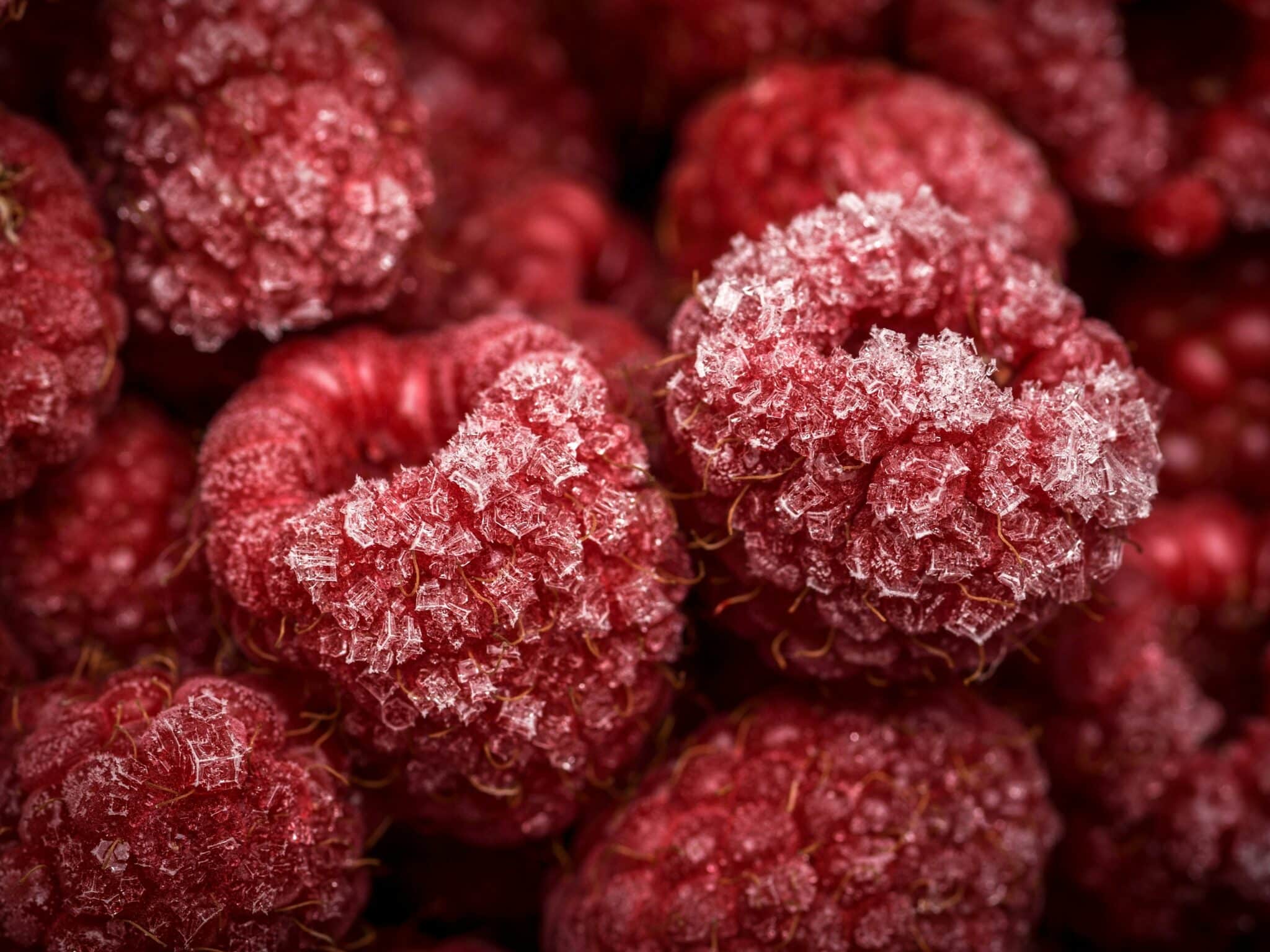

Frozen foods have become a cornerstone of modern kitchens worldwide, prized for their convenience, extended shelf life, and ability to preserve taste and nutrition. However, despite their popularity, there remain some persistent misconceptions about the safety of frozen foods. One of the most critical misunderstandings is the belief that freezing food kills harmful pathogens. This misconception can lead to unsafe food handling practices and increase the risk of foodborne illness. In this article, we will explore why freezing is not a kill step for pathogens and discuss the implications for food safety.
Understanding Freezing and Its Effects on Microorganisms
Freezing is a food preservation method that involves lowering the temperature of food to well below the freezing point of water, typically at or below -18°C (0°F). This process slows down the growth and metabolic activities of microorganisms such as bacteria, viruses, and parasites. However, freezing does not necessarily kill these pathogens; instead, it places them in a dormant or inactive state.
Many microorganisms, including dangerous pathogens like Salmonella, Listeria monocytogenes, Clostridium perfringens, and Escherichia coli, can survive freezing temperatures. When frozen food is thawed, these pathogens can “wake up” and begin to multiply if conditions are favorable. Therefore, while freezing significantly slows microbial growth, it does not eliminate the risk of contamination or foodborne illness.
Why Freezing Does Not Kill Pathogens
The key reason freezing doesn’t kill pathogens lies in the biology of the microorganisms and the nature of the freezing process itself. When water in food freezes, it forms ice crystals, which can physically damage the cells of some bacteria. However, many pathogens have protective mechanisms that allow them to survive freezing temperatures.
- Microbial Resistance: Some bacteria form spores, which are highly resistant to extreme conditions including freezing. For example, Clostridium botulinum spores can survive freezing and later germinate under suitable conditions. Non-spore-forming bacteria may also possess cell structures that help them withstand ice crystal formation and temperature changes.
- Dormancy, Not Death: Freezing stops bacterial growth by reducing water availability and enzyme activity, but it does not cause cellular death. The bacteria enter a dormant state, remaining viable until thawed. This is why frozen foods can still cause illness if mishandled.
- Uneven Freezing: In some cases, especially with large or improperly packaged food items, freezing may be uneven, allowing pockets where temperatures are not low enough to inhibit microbial survival.
Common Misconceptions About Freezing and Food Safety
Many consumers assume that because food is frozen, it is inherently safe from pathogens. This belief leads to several risky behaviors:
- Skipping Proper Cooking: Some people might undercook frozen foods, assuming freezing has already killed any bacteria. This is dangerous, as pathogens can survive freezing and multiply if food is not cooked to a safe temperature.
- Unsafe Thawing Practices: Thawing frozen food at room temperature or in warm water can create an ideal environment for pathogens to multiply rapidly. The misconception that freezing kills bacteria can make people less vigilant about safe thawing.
- Improper Storage: Believing frozen food is safe indefinitely, some may keep frozen items past recommended storage times, increasing the risk of quality deterioration and microbial survival.
The Role of Freezing in Food Safety – What It Actually Does
While freezing alone is not a kill step, it plays a vital role in food safety by significantly slowing or halting bacterial growth. This allows for longer storage and reduces the risk of spoilage. The key to safe frozen food consumption is understanding that freezing is part of a larger food safety system rather than a standalone solution.
Freezing:
- Inhibits Growth: By lowering temperature, freezing inhibits the reproduction of pathogens, effectively preserving the food until it can be properly cooked or consumed.
- Preserves Quality: Freezing helps maintain the texture, flavor, and nutritional value of food, reducing waste.
However, it must be combined with other critical food safety steps such as thorough cooking, proper thawing, and hygienic handling.
Best Practices for Handling Frozen Foods Safely
To reduce the risk of foodborne illness when dealing with frozen foods, follow these guidelines:
- Cook to Safe Temperatures: Always cook frozen foods to the recommended internal temperature. For example, poultry should reach 165°F (74°C), ground meats 160°F (71°C), and leftovers at least 165°F.
- Thaw Safely: Thaw frozen foods in the refrigerator, under cold running water, or in the microwave if cooking immediately afterward. Avoid thawing at room temperature.
- Avoid Refreezing Thawed Food: Repeated freezing and thawing can increase bacterial survival and affect food quality.
- Store Properly: Keep the freezer at 0°F (-18°C) or below. Label frozen foods with dates and use them within recommended storage times.
- Practice Good Hygiene: Wash hands, utensils, and surfaces after handling frozen raw foods to prevent cross-contamination.
Final Note: Freezing Is a Preservation Step, Not a Sterilization Step
Understanding the difference between freezing as a preservation method and a kill step for pathogens is crucial for safe food handling. Freezing significantly slows microbial growth but does not kill most foodborne pathogens. This means frozen foods can still harbor harmful bacteria, viruses, and parasites that pose a risk if food is improperly handled.
Consumers and food handlers must recognize that frozen food safety relies on a complete system of practices: from freezing and storage to thawing and cooking. By dispelling the myth that freezing kills pathogens, we can promote better food safety habits and reduce the risk of foodborne illness.
Frozen foods offer convenience and quality, but safety depends on knowledge and vigilance. So next time you pull something from the freezer, remember: freezing keeps pathogens on pause, it doesn’t erase them. Always handle frozen foods with care to keep your meals both delicious and safe.
