

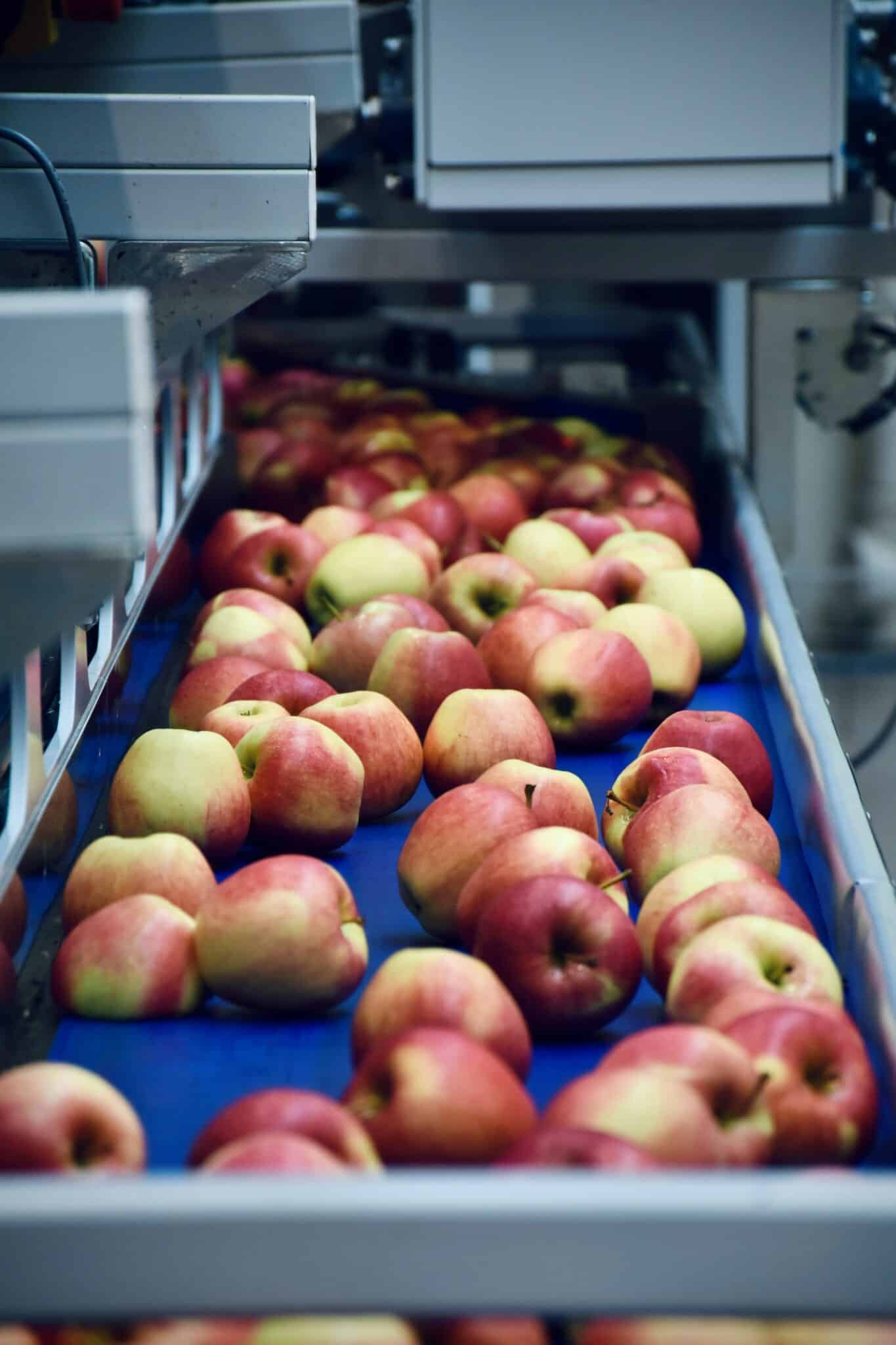

Walk into any food production facility — a dairy plant, a snack manufacturer, or even a spice packaging warehouse — and you’ll immediately notice a few things: spotless floors, hairnets on every worker, and an unmistakable hum of precision. None of it is accidental. Every rule, routine, and checklist in that building exists because of something called Good Manufacturing Practices, or GMPs.
These aren’t fancy guidelines or suggestions. GMPs are legally required standards that form the backbone of food safety around the world. They are what stand between consumers and contamination, ensuring that the products on grocery shelves are as safe as science and sanitation can make them.
The Backbone of Safe Food
Good Manufacturing Practices are, at their core, a blueprint for consistency and cleanliness. They tell producers how to make food safely — from the way employees wash their hands to the design of the factory floor.
In the U.S., the Food and Drug Administration (FDA) enforces these rules under the Code of Federal Regulations (21 CFR Part 117). The goal is simple: make sure food is manufactured, packaged, and stored under conditions that prevent contamination.
GMPs cover everything: personnel hygiene, building maintenance, pest control, equipment sanitation, temperature monitoring, and recordkeeping. They might sound tedious, but they’re the invisible force that allows billions of safe meals to be produced every single day.
1. People: The First Line of Defense
The most sophisticated machines in the world can’t stop a foodborne illness outbreak if the people operating them don’t follow hygiene protocols. That’s why GMPs start with personnel practices.
Employees must:
- Wear clean uniforms, gloves, and hairnets.
- Wash hands before touching food or equipment.
- Avoid eating, drinking, or chewing gum in production areas.
- Stay home when sick, even with mild symptoms.
Many facilities even have “hygiene checkpoints,” where workers wash and sanitize their hands before crossing into production zones. These barriers may seem small, but they can prevent bacteria like Staphylococcus aureus or E. coli from entering food lines.
2. Facility and Equipment Design
A clean facility doesn’t happen by accident — it’s designed that way.
Floors slope toward drains for easy cleaning. Walls are made of washable materials. Ventilation systems keep humidity low to prevent mold.
Machines that touch food must be non-corrosive, easy to disassemble, and resistant to bacterial buildup. Every surface must be cleanable — meaning no cracks, rust, or absorbent materials.
After production each day, sanitation crews break down equipment, rinse it with hot water, apply food-safe detergents, and then sanitize it again before morning startup. The process takes hours, but skipping it could mean contamination, recalls, and lost trust.
NOTE: In both the national Blue Bell outbreak of Listeria and the Boar’s Head national outbreak of Listeria, equipment and factory conditions proved to have been crucial in contributing to the spread of the listeria, this according to Listeria attorney Ron Simon.
3. Sanitation and Cleaning Schedules
Under GMPs, every company must have Sanitation Standard Operating Procedures (SSOPs) — written, detailed cleaning instructions. These outline what gets cleaned, how it’s cleaned, what chemicals are used, and how often.
Many facilities perform ATP (adenosine triphosphate) swab testing, a quick way to detect traces of organic matter on supposedly clean surfaces. If results show residue, cleaning must be repeated immediately.
This level of control may sound obsessive, but it’s vital. A single missed corner under a conveyor belt could harbor Listeria monocytogenes, a bacterium known to thrive in cold, damp environments.
4. Pest Control: The Unseen War
Pests are one of the biggest threats to food safety. Flies, rodents, and insects can carry dangerous bacteria and viruses. GMPs require strict Integrated Pest Management (IPM) systems, which include:
- Sealing cracks and entry points
- Installing air curtains or door screens
- Maintaining traps and monitoring logs
- Conducting regular inspections
Preventing pests isn’t glamorous, but it’s essential. In 2022, an entire shipment of flour was recalled after mouse droppings were found near packaging machinery — a problem GMPs are designed to prevent.
5. Cross-Contamination and Allergen Control
Cross-contamination happens when bacteria or allergens transfer from one product to another — for example, when raw meat touches cooked meat, or when peanut dust spreads into a product labeled “nut-free.”
To prevent it, GMPs require:
- Physical separation of raw and cooked zones
- Color-coded tools for different production areas
- Dedicated allergen cleaning protocols
- Label checks by multiple employees before packaging
Even trace amounts of allergens can cause severe reactions, so precision here is non-negotiable.
6. Time and Temperature Control
- Cold foods below 40°F (4°C)
- Hot foods above 140°F (60°C)
Every refrigerator, freezer, and heating unit must be calibrated and logged daily. If a cooler malfunctions, digital alerts notify staff before food spoils.
These controls help prevent rapid bacterial growth and are often backed by HACCP (Hazard Analysis and Critical Control Point) plans that identify exactly where temperature risks could occur.
7. Recordkeeping and Documentation
The phrase “if it’s not written down, it didn’t happen” defines GMP recordkeeping.
Every cleaning, temperature check, or inspection must be documented — not just for accountability, but for traceability. If a contamination event ever occurs, these records allow investigators to pinpoint what went wrong and when.
Digital monitoring systems now store logs automatically, reducing human error. This transparency also protects companies during audits or recalls, proving compliance with FDA standards.
8. Water and Air Quality
Even the water and air inside a food plant are controlled by GMPs. Water used for washing, mixing, or cleaning must be potable and tested regularly for microbes and chemicals. Airflow systems must prevent dust or condensation from spreading contaminants.
Some factories use positive air pressure, meaning clean air constantly pushes out, keeping unfiltered air from drifting into critical zones. It’s the same principle used in hospital operating rooms.
9. Training and Continuous Improvement
GMPs don’t work without people who understand them. Every employee — from janitors to managers — receives food safety training. New hires learn proper sanitation, allergen handling, and what to do if they notice a problem.
Routine refresher courses keep standards sharp. Many facilities also conduct internal audits where supervisors walk the floor, ask questions, and check logs. The goal isn’t punishment; it’s prevention.
Why GMPs Matter
When a factory follows GMPs, the result isn’t just compliance — it’s confidence. Consumers never see the endless cleaning checklists or temperature logs behind their snacks or beverages, but those unseen details are what keep them safe.
Without GMPs, even one careless mistake could lead to a nationwide outbreak. They are the quiet guardians of our food system — protecting public health through consistency, discipline, and science.
The Bottom Line
Good Manufacturing Practices may seem like background noise in the vast machinery of the food industry, but they are the unsung heroes of every clean kitchen, every sealed package, and every safe meal.
From the person who sanitizes a conveyor belt to the inspector reviewing temperature logs, each plays a role in the same story — one of prevention, trust, and the invisible promise that the food we eat is safe.
And in that promise, every consumer finds something priceless: peace of mind.
