

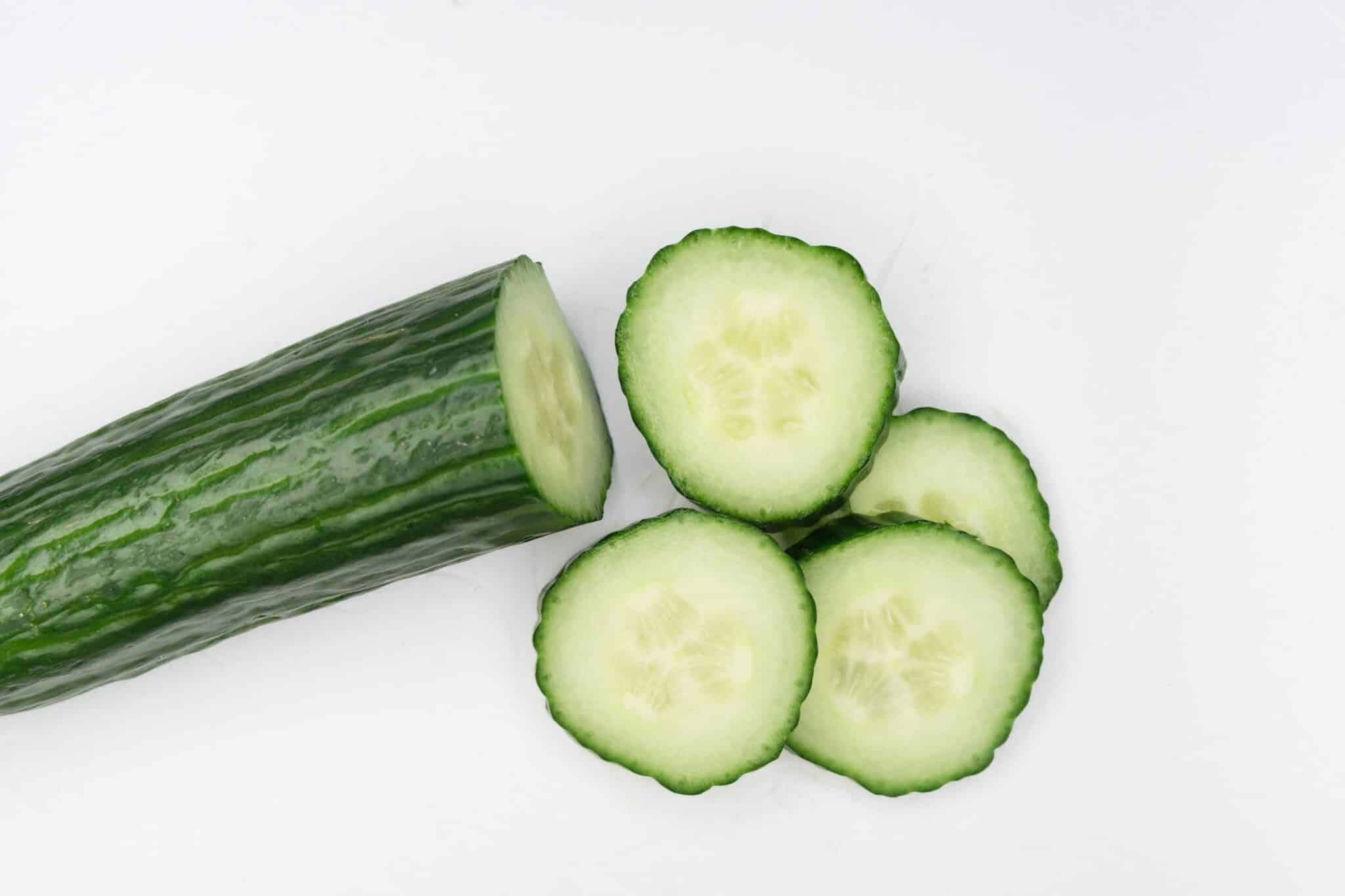

On Monday, May 19th the Centers for Disease Control and Prevention (CDC) announced that it was actively investigating an outbreak of Salmonella connected to whole cucumbers that, so far, had led to 26 cases of infection and 9 hospitalizations across 15 states.
Cucumbers, a popular fresh produce item, are vulnerable to Salmonella contamination through multiple points in the supply chain. Understanding these pathways is critical for mitigating risks and ensuring food safety.
What is Salmonella?
Salmonella is a bacterium that can cause severe gastrointestinal illness in humans. Symptoms typically include diarrhea, fever, and stomach cramps, appearing six hours to six days after exposure to the bacteria. While most people recover without specific treatment, the infection can be severe, especially for young children, the elderly, and individuals with weakened immune systems.
Contaminated Water and Soil
Salmonella can infiltrate cucumber crops through contaminated irrigation water or soil. Irrigation systems using untreated water from canals, rivers, or ponds may introduce pathogens to growing fields. Similarly, soil tainted by animal feces or improperly composted manure can harbor Salmonella, which can enter plants through natural openings or root systems.
Cross-Contamination During Harvesting and Processing
Human handling and equipment during harvesting and processing are potential vectors for Salmonella. Workers using unsanitized tools, gloves, or containers may inadvertently transfer bacteria to cucumbers. Post-harvest washing or packaging facilities lacking rigorous hygiene protocols can further spread contamination.
Inadequate Storage and Temperature Control
Salmonella thrives in warm, humid conditions. Cucumbers stored at improper temperatures during transport or in retail environments may allow bacterial proliferation. Temperature fluctuations can exacerbate risks, particularly if produce is left unrefrigerated for extended periods.
Environmental Exposure
Open-field cultivation exposes cucumbers to environmental contaminants. Birds, rodents, or livestock near growing areas may introduce Salmonella through fecal matter. Contaminated dust or rainwater runoff can also deposit pathogens onto crops.
Post-Purchase Handling
Consumers and food service providers may unintentionally spread Salmonella through improper handling. Cutting cucumbers on contaminated surfaces, using unwashed utensils, or failing to wash hands can transfer bacteria. Cross-contamination with raw meats or poultry in kitchens is another risk factor.
Prevention Strategies
To reduce contamination risks, regulators and growers emphasize:
Good Agricultural Practices (GAPs) – Regular testing of irrigation water, proper composting of manure, and maintaining hygienic field conditions.
Sanitization Protocols – Thorough cleaning of harvesting tools, processing equipment, and storage facilities.
Temperature Control – Rapid cooling post-harvest and maintaining consistent refrigeration during transport and storage.
Consumer Education – Washing cucumbers under running water before consumption, even if they will be peeled.
Conclusion
Salmonella contamination in cucumbers is a multifaceted issue requiring stakeholders to stay on alert across the supply chain. By addressing contamination pathways through science-based protocols and fostering collaboration between growers, regulators, and consumers, the risks associated with this popular produce can be significantly reduced.
