

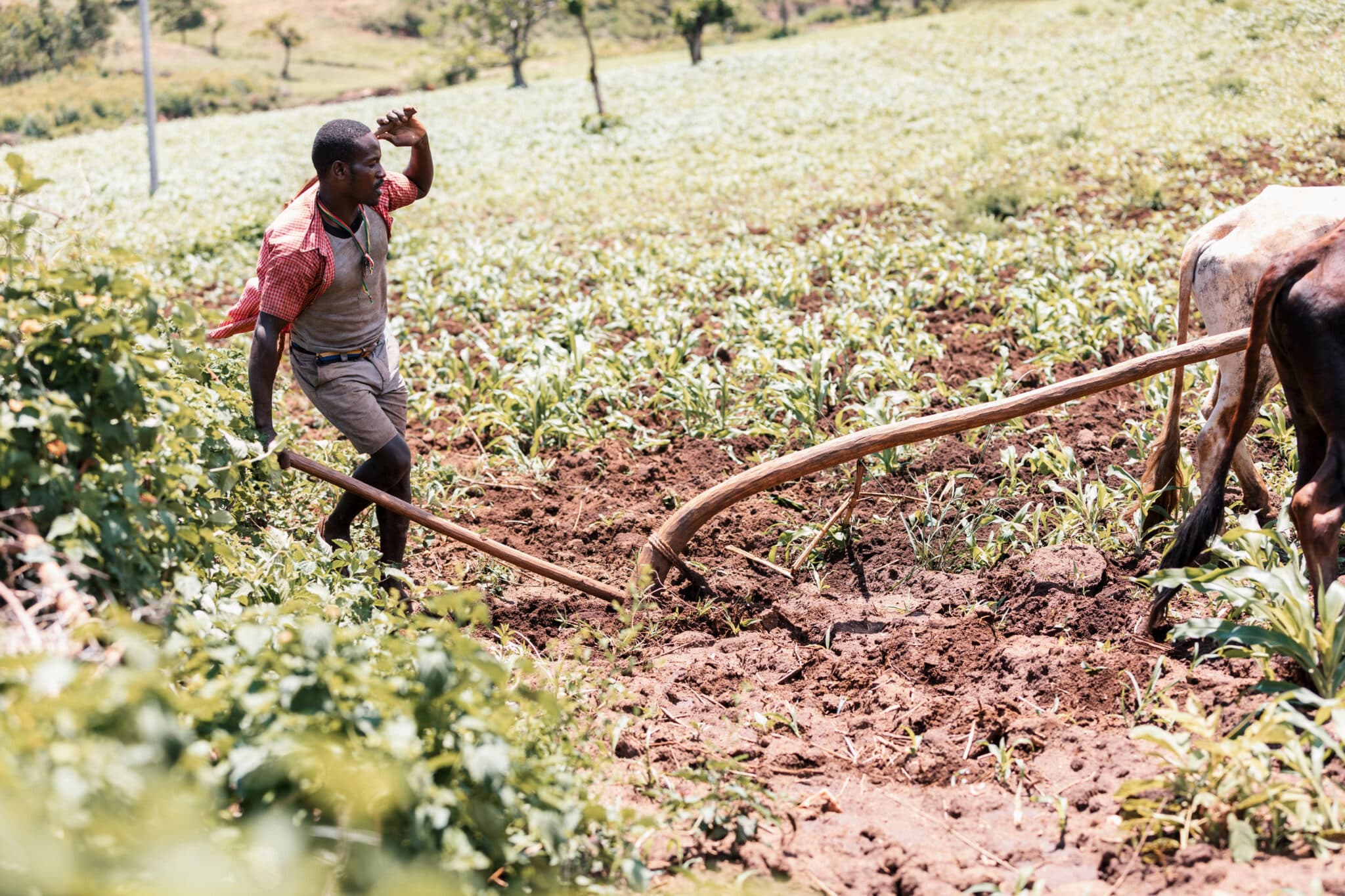

Illness linked to contaminated food – with pathogens like parasites, salmonella, e. coli or chemicals – is more pronounced in poorer communities.
Foodborne disease is often framed as a universal risk: a potential consequence of a meal eaten anywhere, by anyone. While it is true that no individual is entirely immune, the burden of foodborne illness is not distributed equally across populations. Epidemiological data consistently demonstrate that certain groups face dramatically elevated risks of infection, severe outcomes, and death. These vulnerable populations include young children, pregnant women, older adults, immunocompromised individuals, and those living in poverty or conflict-affected regions. Understanding why these groups are disproportionately affected, and the specific pathogens that threaten them, is essential for designing effective public health interventions and for informing clinical practice. This examination explores the biological, social, and environmental factors that create vulnerability, the pathogens of greatest concern, and the evidence-based strategies for reducing the unequal burden of foodborne disease.
Defining Vulnerability: Biological and Social Dimensions
Vulnerability to foodborne illness operates through two intersecting pathways. Biological susceptibility refers to physiological characteristics that impair an individual’s ability to resist infection or tolerate its consequences. Social and environmental vulnerability encompasses the conditions in which people live, work, and access healthcare, conditions that are often shaped by poverty, conflict, and systemic inequity.
The biological foundations of vulnerability are well-characterized. According to national e. coli attorney, Ron Simon: “Young children, particularly those under five years of age, possess immune systems that are still developing and lack the full repertoire of defenses possessed by healthy adults. Their lower body weight means that fluid losses from diarrhea, which might be manageable for an adult, can rapidly become life-threatening through dehydration.” Accordingly, the World Health Organization has long identified diarrheal diseases as a leading cause of death among children globally (World Health Organization, March 2024), despite the fact that these conditions are preventable and treatable through basic interventions.
Pregnant women experience physiological changes that alter immune function, increasing susceptibility to certain pathogens. Moreover, infections during pregnancy carry dual risks: harm to the mother and potential transmission to the fetus, with consequences that can include miscarriage, stillbirth, or severe neonatal illness. The placenta, while protective in many respects, does not form an absolute barrier against pathogens like Listeria monocytogenes and Toxoplasma gondii.
Older adults experience age-related immune senescence, a gradual decline in immune function that reduces the body’s ability to contain infections. Chronic medical conditions common in aging populations, including diabetes and cardiovascular disease, may further compromise host defenses. Immunocompromised individuals, such as those with HIV/AIDS, undergoing cancer chemotherapy, receiving immunosuppressive medications after organ transplantation, or living with autoimmune diseases, can face dramatically elevated risks because their bodies cannot mount effective responses to pathogens that healthy individuals would control easily.
Beyond these biological factors, social determinants powerfully shape vulnerability. A 2025 study published in mBio examining urinary tract infections in Southern California found that people living in low-income neighborhoods faced a 60 percent higher risk of foodborne E. coli infections compared to those in wealthier areas (American Society for Microbiology, October 2025). This disparity persisted despite all subjects living in the same region and having access to the same retail food environment. The finding underscores that vulnerability is not purely biological but is mediated by social factors including housing quality, access to healthcare, and potentially differential exposure to contaminated products in neighborhood retail environments.
Pathogens of Greatest Concern for Vulnerable Populations
While many pathogens can cause illness in anyone, certain organisms pose particular threats to vulnerable groups due to their severity, routes of transmission, or capacity for causing chronic sequelae.
Protozoan parasites, including Cryptosporidium, Giardia, and Toxoplasma gondii, were the subject of an expert meeting convened at the Food and Agriculture Organization (FAO) headquarters in Rome in May 2025. These organisms are responsible for significant gastrointestinal illness worldwide, with a predilection for vulnerable populations. The FAO expert summary noted that young children, pregnant people, travelers, and immunocompromised individuals are most likely to fall ill and endure chronic complications from these parasites. Human nutritional deficiency also greatly influences both the severity of infection and clinical outcomes, creating a vicious cycle in which undernourished children experience more severe disease and subsequent nutritional setbacks.
High-risk foods for protozoan transmission include fresh produce, shellfish, unpasteurized dairy, juices, and ready-to-eat items. These parasites can resist harsh environmental conditions, and even low doses can cause illness in susceptible individuals. Detection remains inconsistent, with few standardized testing methods across food types, meaning that many infections likely go unrecognized and unreported.
Listeria monocytogenes holds particular significance for pregnant women and their fetuses. While Listeria infection in healthy adults typically causes mild, self-limited illness, infection during pregnancy can have devastating consequences. The bacteria can cross the placental barrier, infecting the fetus whose immune system is insufficiently developed to mount a defense. Outcomes may include miscarriage, stillbirth, premature delivery, or severe neonatal illness with long-term neurological impairment. The United States Food & Drug Administration (FDA) explicitly identifies pregnant women as a high-risk population requiring special precautions.
Shiga toxin-producing E. coli (STEC), including the well-known O157 strain, poses elevated risks to young children. Infection can precipitate hemolytic uremic syndrome (HUS), a condition characterized by destruction of red blood cells, low platelet counts, and acute kidney failure. Children under five years of age are at highest risk for this complication, which can lead to chronic kidney disease requiring long-term management or transplantation.
Vibrio vulnificus, while relatively rare, exemplifies the heightened risk for individuals with underlying liver disease or immunocompromising conditions. The mortality rate for V. vulnificus septicemia can approach 50 percent (Florida Health, 2026) even with aggressive medical treatment, making it one of the most lethal foodborne pathogens for susceptible individuals.
Childhood Diarrhea: A Persistent Global Challenge
Diarrheal diseases remain among the leading causes of death in children under five globally, despite being preventable and treatable. This paradox, that children continue to die from conditions for which effective interventions exist, illustrates the gap between knowledge and implementation in vulnerable populations.
In Mozambique, a 2026 analysis of nearly 5,000 children using nationally representative data from the 2022–23 Demographic and Health Survey found that infants and toddlers, especially those aged seven to twenty-four months, were at highest risk for diarrhea (“Multilevel Analysis of Diarrhea and Its Determinants Among Children Under Five in Mozambique 2022-2023,” McGlothlin, January 2026) . Children in households with handwashing facilities were significantly less likely to have diarrhea, and children of older mothers faced lower risk. The study also documented significant regional variation, highlighting how geography, local customs, and environment influence child health outcomes.
India’s Intensified Diarrhoea Control Fortnight program, implemented annually, represents a large-scale public health response to childhood diarrheal mortality. The program’s stated goal is to attain zero child deaths due to childhood diarrhea through a three-pronged strategy: improving availability and use of oral rehydration salts and zinc at the community level, strengthening facility-level management of dehydration cases, and enhancing advocacy and communication on prevention and control.
The program specifically targets high-risk areas including urban slums, underserved and hard-to-reach populations in forested and tribal areas, migrant settlements, nomadic sites, brick kilns, construction sites, orphanages, street children, and areas known for poor sanitation and water supply. This targeting reflects recognition that vulnerability is concentrated in specific populations and locations, and that universal approaches may miss those most in need.
A 2026 systematic review and meta-analysis published in BMJ Global Health synthesized evidence on the effectiveness of domestic food hygiene interventions on the microbiological quality of child food and childhood diarrhea in children under five. The review, which included 11 studies, found that standalone food hygiene interventions reduced childhood diarrhea by 51 percent (BMJ Journals, January 2026). However, when food hygiene interventions were combined with broader water, sanitation, and hygiene (WASH), nutrition, or childhood development packages, they showed no evidence of effect.
This finding has important implications for program design. It suggests that food hygiene interventions may be diluted or poorly implemented when added to complex multi-component programs, and that dedicated, focused food hygiene interventions may be more effective at improving child health outcomes than integrated approaches where food safety receives insufficient attention.
Cholera in Conflict and Displacement
Cholera provides perhaps the starkest illustration of how social and environmental factors create vulnerability to foodborne and waterborne disease. The ongoing outbreak in Sudan, which began in early 2025, has spread across 11 states with more than 50,000 confirmed cases and 1,350 deaths. The current crisis is particularly severe due to the collapse of essential services and displacement of millions into overcrowded camps lacking clean water and sanitation.
The destruction of water treatment plants has forced communities to rely on contaminated sources, directly fueling the outbreak. In conflict zones, 70 percent of hospitals are non-functional, and key medical facilities have been destroyed or repurposed for military use. In displaced persons camps, cholera spreads unchecked due to lack of medical aid, potable water, and sanitation. Humanitarian organizations including Médecins Sans Frontières and the World Health Organization have attempted to establish treatment centers, but access to affected areas remains a major challenge due to security concerns.
In eastern Chad, a parallel cholera epidemic beginning July 2025 has revealed similar challenges associated with fragile water supply and sanitation systems. As of September 2025, more than 2,475 cases and 141 deaths had been recorded. In overcrowded Sudanese refugee camps and impoverished host communities, conditions are ideal for disease spread. Access to water is extremely limited, falling well below the threshold of 15 liters per person per day recommended in emergency situations. Sanitation facilities are also inadequate. In Adré, there is one latrine for every 160 people, whereas the emergency standard is one per 50 people. This lack forces open defecation, increasing transmission risk, particularly during rainy seasons.
Médecins Sans Frontières has implemented preventive and curative activities in collaboration with the Ministry of Public Health, including vaccination campaigns targeting more than one million people, distribution of over 550,000 bars of soap, and rehabilitation of water networks. Yet these efforts face immense challenges, including late arrival of patients to treatment facilities due to lack of knowledge about symptoms and difficulty accessing care. Nearly half of all deaths among cholera patients occur outside of healthcare facilities, and the death rate is six times higher than with standard treatment.
A systematic review of cholera propagation in Nigeria similarly identified contaminated water sources, poor sanitation, and seasonal flooding as primary environmental drivers, particularly in the Northwest, Northeast, and South-South zones. Socioeconomic factors such as poverty, overcrowding, and inadequate healthcare access exacerbated outbreaks, especially in conflict-affected regions. WASH deficiencies showed a strong correlation with cholera incidence, with the Northeast having the highest case rates at 180 per 100,000 population. Healthcare system preparedness varied dramatically, with the Southwest demonstrating faster response times of six days compared to fourteen days in the Northeast.
Foodborne Illness in High-Income Countries: The Persistence of Disparity
Even in high-income countries with established food safety systems, vulnerable populations face elevated risks. The 2025 Southern California study linking urinary tract infections to foodborne E. coli provides compelling evidence that social determinants shape risk even in affluent settings.
The study, which collected over 5,700 E. coli isolates from UTI patients and retail meat samples from the same neighborhoods, found that 18 percent of UTIs were linked to strains of animal origin, meaning they were foodborne infections. The highest-risk strains were most often found in chicken and turkey. Critically, people living in low-income areas had a 60 percent higher risk of these foodborne UTIs compared to those in wealthier neighborhoods. Women and older men were especially vulnerable.
Lead author Lance Price of George Washington University noted that urinary tract infections have long been considered a personal health issue, but the findings suggest they are also a food safety problem. “This opens up new avenues for prevention, especially for vulnerable communities that bear a disproportionate burden,” he stated. “Your risk of infection should not depend on your ZIP code” (Milken Institute School of Public Health, October 2025).
The mechanisms underlying this disparity require further investigation. Potential explanations include differential exposure to contaminated products in neighborhood retail environments, differences in food handling practices related to resource constraints, or barriers to healthcare access that allow infections to progress. The finding underscores that food safety is not solely about pathogen presence but about the complex interaction between exposure, host susceptibility, and access to care.
Analysis and Next Steps
The understanding of vulnerability to foodborne illness has evolved substantially from a narrow focus on individual biological susceptibility to a comprehensive appreciation of the social, environmental, and structural factors that concentrate risk in特定 populations. What is new in this field includes the growing body of evidence linking socioeconomic status directly to foodborne infection risk, as demonstrated by the 2025 Southern California UTI study. Also new is the recognition that standalone food hygiene interventions can reduce childhood diarrhea by 51 percent, but that these benefits are often lost when food safety is diluted within broader programmatic packages. The FAO’s 2025 expert meeting on protozoan parasites further advances understanding by identifying specific pathogen-commodity combinations of greatest concern for vulnerable groups.
This expanded understanding matters because it reframes the moral and practical imperatives for food safety policy. If foodborne illness were randomly distributed, tolerance for occasional outbreaks might be defensible on utilitarian grounds. But when infections systematically concentrate among the youngest, oldest, poorest, and most disadvantaged members of society, food safety becomes an issue of equity and justice. The 60 percent higher risk faced by low-income communities for foodborne UTIs, the preventable deaths of children from diarrheal disease, and the catastrophic cholera outbreaks in conflict zones all demonstrate that food safety failures compound existing inequalities rather than affecting populations uniformly.
The populations affected by these dynamics are vast and overlapping. Young children in low-income countries bear the greatest absolute burden of diarrheal mortality, with nearly half a million deaths annually from diseases that are preventable through safe water, sanitation, and food handling. Pregnant women in all settings face unique risks from pathogens like Listeria and Toxoplasma that can devastate fetal development. Displaced populations in conflict zones experience cholera case fatality rates six times higher than those receiving timely treatment. Immunocompromised individuals in high-income countries must navigate food environments where ready-to-eat products may harbor pathogens that pose little risk to others but life-threatening danger to them.
What to do now requires action at multiple levels, informed by the evidence of what works and where gaps persist.
For public health agencies, the priority must be strengthening surveillance systems capable of detecting outbreaks in vulnerable populations and tracing them to sources. This includes investing in the genomic tools that made the Southern California UTI study possible, which can distinguish human from animal strains and identify transmission pathways. It also means ensuring that surveillance extends beyond traditional clinical settings into communities where vulnerable populations live, including refugee camps, informal settlements, and rural areas with limited healthcare access.
For humanitarian organizations and governments in conflict-affected regions, the immediate tasks are those articulated in responses to the Sudan and Chad cholera outbreaks: strengthening water, sanitation, and hygiene programs; improving access to oral rehydration therapy and antibiotics; and vaccinating at-risk populations. These interventions are well-understood and evidence-based; the challenge lies in implementing them under conditions of insecurity and resource constraint. The international community must intensify efforts to facilitate aid delivery and ensure that political boundaries do not become barriers to life-saving assistance.
For healthcare providers, awareness of the specific vulnerabilities of their patient populations should inform clinical practice and patient education. Pregnant women require counseling on avoiding high-risk foods including unpasteurized dairy, deli meats unless reheated, and refrigerated smoked seafood. Immunocompromised patients need guidance on safe food handling and specific foods to avoid. Parents of young children should receive education on the importance of handwashing, safe weaning practices, and prompt use of oral rehydration salts when diarrhea occurs.
For researchers, the path forward includes refining methods to distinguish foodborne transmission from other exposure routes, extending findings to additional regions and infection types, and developing interventions that might reduce risk in vulnerable communities. The finding that standalone food hygiene interventions reduce childhood diarrhea by half, while integrated packages show no effect, demands further investigation into implementation science—understanding why interventions work in some contexts and fail in others, and how to ensure that food safety receives adequate attention within complex programs.
For consumers, particularly those in vulnerable groups or those preparing food for vulnerable individuals, adherence to established food safety practices remains the most reliable defense. This includes thorough cooking of meat and poultry, prevention of cross-contamination in the kitchen, handwashing after handling raw products, and attention to food safety messaging from public health authorities. For those living in areas with unreliable water supplies, point-of-use water treatment and safe storage can interrupt transmission of waterborne pathogens that also contaminate food.
The unequal burden of foodborne illness is not inevitable. It is the product of biological differences that can be accommodated through targeted precautions, social inequalities that can be addressed through equitable policy, and system failures that can be corrected through sustained investment. The evidence base for effective intervention has never been stronger. The challenge lies in marshaling the will and resources to ensure that the safety of food does not depend on the circumstances of those who consume it.
